


AKG Headphones roundup
The Best Akg Headphones for the Money
No fake benchmarks, just AKG's headphone range sorted by what suits your budget and your actual use case, from tight budgets to studio-plus-travel.
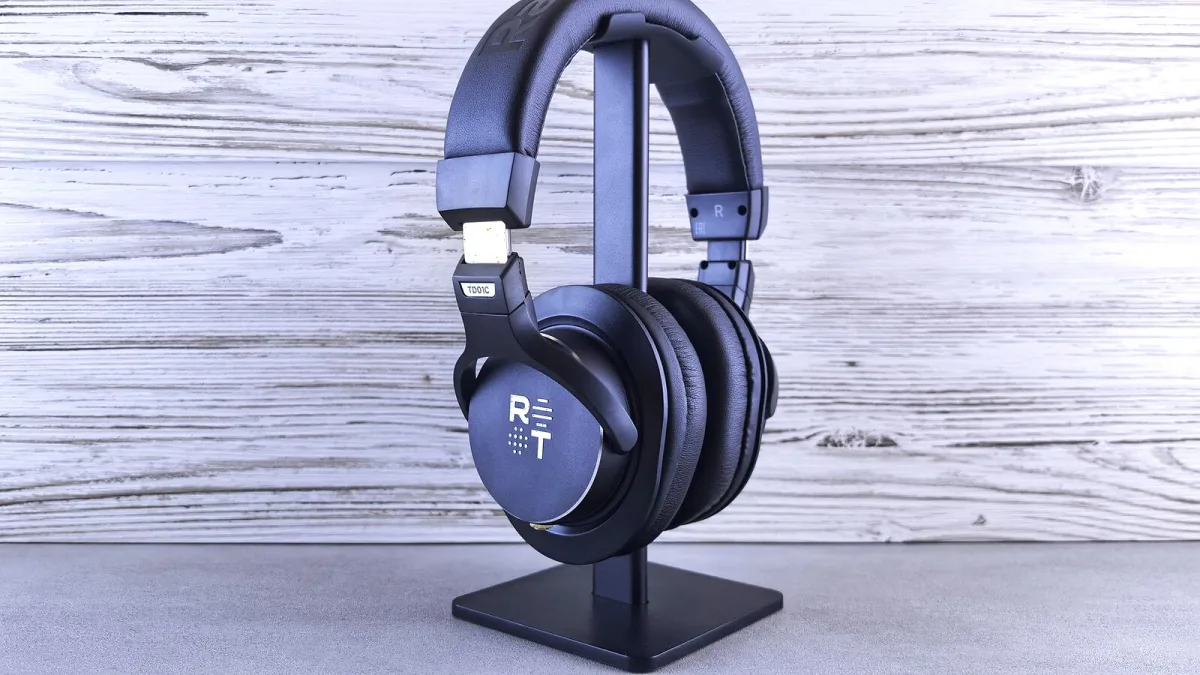
There's no single "best" pair of AKG headphones — there's a best one for what you're spending and what you're doing with it. Rather than pretend I've run identical lab tests on every model, I've grouped AKG's current range by budget tier and use case, based on how each design is actually built and positioned. Here's where your money goes furthest.
Best Budget Pick: AKG K92
If you're kitting out a first home studio and every pound counts, the K92 is the sensible entry point. It's a closed-back, wired design — exactly the profile you want for general tracking and everyday studio use, without paying for features you won't touch yet. Closed-back means it isolates reasonably well and won't bleed into a nearby microphone, which matters more at this stage than any premium tuning.
Best All-Rounder: AKG K240 Studio
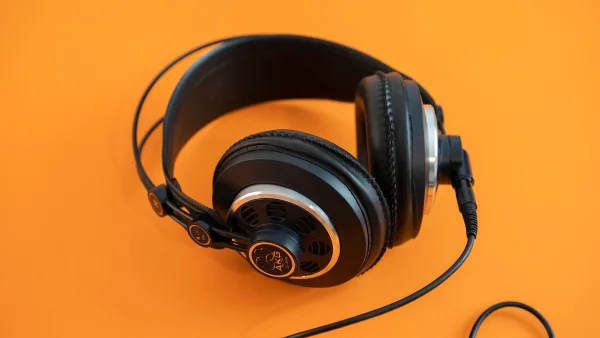
The K240 is AKG's most famous headphone for good reason: a semi-open design with a distinctive self-adjusting headband, and a 55-ohm impedance that most interfaces and computers can drive without extra help. Semi-open means it sounds less boxed-in than a sealed pair for general editing and monitoring, though it isn't the one to reach for when a live microphone is nearby. If you want one dependable pair that does most home-studio jobs well, this is it.
Best for Tracking and Mic Work: AKG K271 MKII / K361
When you're recording near an open microphone — vocals, an acoustic guitar, a drum overhead — isolation stops being optional. Both the K271 MKII and the K361 are closed-back, wired designs built with monitoring and tracking in mind. The K361 has the edge for anyone who also needs the headphones to travel, since it folds flat; the K271 MKII leans more purely toward the studio.
Best Reference-Style Monitoring: AKG K371
For mixing work where tonal accuracy matters most, the K371 is the model AKG and Harman position as their reference-oriented closed-back design. It uses 50mm drivers with titanium-coated diaphragms and sits at a source-friendly 32 ohms, so it's easy to drive from a laptop or basic interface. Worth remembering: "reference" describes AKG's design goal, not a guarantee every mixing engineer will hear it the same way, so it's still worth a listen against material you know well before committing.
Best for Studio Plus Travel: AKG K371-BT
This is the clever one. The K371-BT keeps the K371's closed-back, wired studio performance intact, then adds Bluetooth with a claimed 40 hours of battery life and a built-in microphone for calls. If you genuinely need one pair of AKG headphones that goes from the studio to the train without a second box in your bag, this is the pick.
At a Glance: Which Tier Suits You
| Budget tier | Model | Why it wins here |
|---|---|---|
| Entry / budget | K92 | Closed-back tracking on a tight budget |
| Core / all-rounder | K240 Studio | Semi-open, dependable, easy to drive |
| Tracking-focused | K271 MKII / K361 | Closed-back isolation near a live mic |
| Reference / mixing | K371 | Low impedance, reference-oriented tuning |
| Studio + travel | K371-BT | Wired studio use plus Bluetooth on the move |
What I'd Skip Your Money On
- Paying extra for "reference" or "professional" labelling alone — these are design positioning, not a substitute for trying the headphones against material you know.
- Buying an open-back or semi-open model if tracking near a microphone is your main use — you'll end up needing a second, closed-back pair anyway.
- A high-impedance model plus an amp you don't need — check what your interface can already drive before adding one.
Don't Skip the Comfort Test
None of the rankings above matter much if a pair doesn't stay comfortable through a two-hour session, so treat comfort as a genuine buying criterion, not an afterthought. The K240's self-adjusting headband spreads weight nicely for long desk sessions, while the K361's folding hinge trades a touch of that plushness for portability. Ear-pad material and clamping force vary across the range too, and a seal that feels fine for five minutes can feel very different an hour in. Where you can, try before you buy, or at least check the return policy in case the fit isn't right.
It's also worth checking current pricing and stock directly with a retailer before deciding, since availability and exact positioning shift over time and vary by region — the tiers above are about design and use case, not a fixed price list.
Still Deciding?
If you want the full spec-by-spec breakdown before you buy, our AKG buyer's guide covers the checklist in detail, and the full AKG headphones overview explains how the whole range fits together. If you're newer to all this, our beginner's guide to AKG headphones is a gentler place to start.
The Bottom Line
The best AKG headphones for your money are whichever ones match your actual use case at the tier you can afford — the K92 for a tight budget, the K240 as the dependable all-rounder, the K271 MKII or K361 for tracking, the K371 for reference-style mixing, and the K371-BT if you need studio and travel in one pair. Match the design to the job first, and the rest of the decision gets a lot easier. It's also worth skimming the common AKG headphones mistakes to avoid before you check out, just in case.



Comments