


AKG Headphones article
Common Akg Headphones Mistakes to Avoid
From tracking in the wrong design to trusting unverified rankings, here are the AKG headphones mistakes worth knowing about before they cost you.
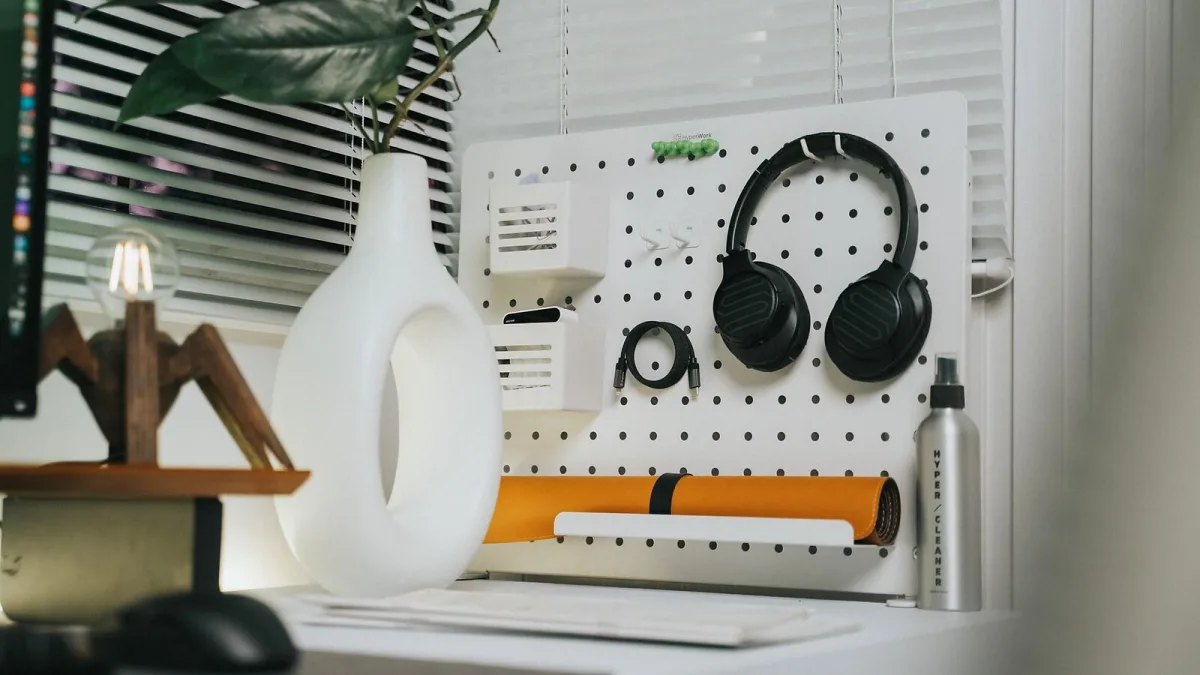
I've watched a fair few home producers make the same avoidable mistakes with their AKG headphones, and honestly, most of them come down to not quite understanding what the design is actually built for. None of this is about buying the wrong brand — it's about mismatching a good pair of headphones to the wrong job. Here's what to watch out for.
Mistake One: Tracking Vocals in the Wrong Design
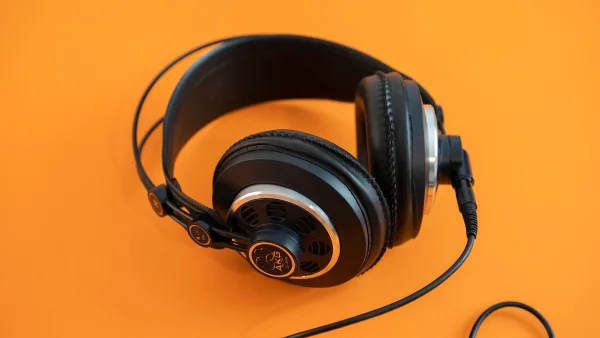
This is the big one. AKG's semi-open K240 is a brilliant headphone, but it isn't sealed — sound leaks out of the back of the earcup. Wear it while tracking a vocal and that leakage bleeds straight into the microphone, especially on quieter passages. If you're recording near a live mic, reach for a closed-back model instead, like the K271 MKII or K361. Save the K240 for editing and general listening in a quiet room.
Mistake Two: Assuming Higher Impedance Means Better Quality
Impedance, measured in ohms, tells you how much voltage a headphone needs to reach a given volume — that's it. It isn't a quality score. The 32-ohm K371 is easy to drive from a laptop; the 55-ohm K240 is still manageable from most interfaces. Don't assume a higher number on the spec sheet means you're hearing something better, and don't buy a headphone amp "just in case" before confirming your current gear actually struggles for level.
Mistake Three: Buying on the Word "Reference" Alone
AKG, like most manufacturers under Harman, uses research-based target curves and calls several models "reference" designs. That's a genuine engineering effort, but it describes a design goal, not a guarantee every listener or engineer will prefer the tuning. Treat "reference," "professional" and "studio" as positioning language worth investigating further, not a substitute for actually listening against material you already know well.
Mistake Four: Trusting Every "Best AKG Headphones" List You Find
A lot of buying-guide content online ranks headphones without ever explaining how they were tested. That doesn't make the recommendations useless, but it does mean you should treat them as one opinion among several, not an objective result. Cross-check any "best" claim against the actual spec sheet and, ideally, your own ears.
Mistake Five: Ignoring Ear Pad Wear
Ear pads are a wear part, not a permanent fixture, and it's easy to forget that. As foam compresses and the seal changes, the tonal balance of your AKG headphones can shift too — usually a loss of bass as the seal loosens. If comfort or sound has quietly drifted over months of use, worn pads are often the real culprit, not the headphones themselves.
Mistake Six: Mixing on Headphones Alone
Headphones, including AKG's more reference-oriented models like the K371, are a genuinely useful mixing tool — but they're not the whole story. A mix that sounds great in headphones can translate very differently on speakers, in a car, or through a phone speaker. Always check a finished mix on at least one other system before calling it done.
Mistake Seven: Grabbing Bluetooth When You Actually Need Wired
The K371-BT is a genuinely clever headphone, wired for studio use and wireless for everything else. But if your main use is recording and mixing, don't default to Bluetooth out of convenience. Wireless connections bring codec and latency considerations that a straightforward wired connection simply avoids. Save the wireless side for commuting or casual listening, and plug in for anything time-critical.
Mistake Eight: Not Checking the Exact Model Variant
A model name isn't always the whole story. The K240, for instance, has existed in more than one version over the years, and availability shifts by region and product cycle. Buying on the name alone, without checking the specific listing's spec sheet, included cable and current warranty coverage, can leave you with a slightly different product than the one you researched. A couple of minutes double-checking the exact listing saves a lot of after-the-fact confusion.
Quick Recap
- Match closed-back to tracking, semi-open or open to quiet-room listening.
- Don't judge quality by impedance alone.
- Treat "reference" as a design goal, not a verdict.
- Question unverified "best" rankings.
- Replace worn ear pads before blaming the headphones.
- Check every mix on a second system.
- Go wired when timing and reliability matter.
- Double-check the exact model variant and warranty before buying.
Mistake Nine: Skipping the Comfort Check
It's easy to fixate on specs and forget the physical fit entirely, then wonder why a technically excellent pair keeps getting left in the drawer. Clamping force, headband padding and ear-cup depth all vary across the range, and what's comfortable for an hour isn't always comfortable for three. If you can, try before you commit, or at least check the return window in case a pair that looks perfect on paper simply doesn't sit right on your head.
Where to Go Next
If you'd like the full picture before you buy, our AKG overview covers the whole range, and our AKG buyer's guide is worth reading before you spend anything. Just getting started? Our AKG beginner's guide keeps things simple, and the best AKG headphones for the money lays out sensible picks by budget.
The Bottom Line
Most AKG headphones mistakes aren't about the gear being poor — they're about mismatching a good design to the wrong task, or trusting a spec or a ranking without understanding what it actually measures. Sort the basics above and you'll get far more out of whichever AKG headphones end up on your desk.





Comments