


AKG Headphones article
Akg Headphones for Beginners: A Complete Guide
New to home recording? Here's a calm, jargon-light guide to choosing your first pair of AKG headphones and getting comfortable using them.

Buying your first pair of AKG headphones can feel like a lot, especially if you've just started poking around a home studio and every product page throws numbers at you. Take a breath. You don't need to understand every spec to make a good choice — you just need to know a few simple things, and I'll walk you through them gently, one step at a time.
Why Headphones Matter When You're Just Starting Out
When you're new to recording, headphones do more than let you listen back. They let you hear detail your laptop speakers simply can't reproduce — the hiss on a vocal take, whether a guitar part is properly in tune, whether a mix is too bass-heavy. A decent pair of AKG headphones gives you an honest picture of your own work, which is exactly what you need while you're still learning to trust your ears.
You Don't Need to Overthink This
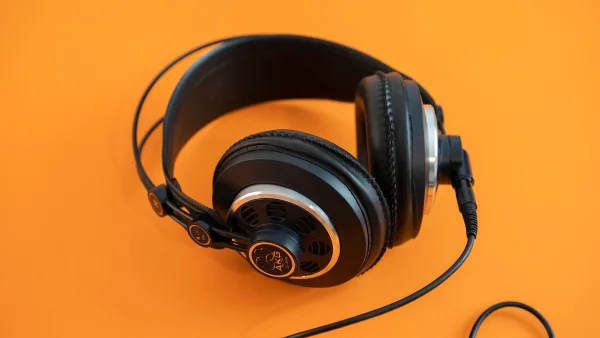
Here's the reassuring part: for a beginner, one solid, closed-back AKG pair will happily cover almost everything you're doing — recording a vocal, mixing a track, listening back to a rough idea. You do not need multiple pairs to get started, and you don't need the most expensive model in the range. AKG's more affordable closed-back options, such as the K92, are a perfectly sensible first pair.
Two Words You'll See Everywhere: Closed-Back and Open-Back
You'll come across these terms constantly, so let's untangle them simply:
- Closed-back means the earcup is sealed at the back. Almost no sound gets in or out. This is what you want if you're recording your own voice or an instrument, because it stops the headphones from bleeding into the microphone.
- Open-back means the back is open to the air. It can sound a little more natural for pure listening, but it leaks sound both ways — not something to wear while you're recording.
As a beginner, my honest advice is simple: start with closed-back. It's the safer, more flexible choice, and it works whether you're tracking or just listening back.
Do You Need Anything Else to Use Them?
Almost certainly not. AKG's closed-back studio models, like the K92 and K371, are designed to work straight out of a laptop, phone or basic audio interface without needing a separate headphone amplifier. Don't let anyone talk you into buying extra gear before you've even tried your headphones with what you already own.
Wired or Wireless for Your First Pair?
You'll notice most of AKG's studio-focused models are wired, and that's genuinely the right choice while you're learning. A wired connection has no battery to charge and nothing to pair, so it just works every time you sit down to record or mix — one less thing to think about when you're already juggling a lot as a beginner. Some AKG models, like the K371-BT, add Bluetooth on top of a wired connection, which is handy later for casual listening on the move. But for your very first pair, don't feel you need that extra feature yet. Simple and wired is genuinely fine.
Looking After Your New Headphones
A little care goes a long way:
- Keep the headband and ear pads clean and dry, especially after a long session.
- Replace the ear pads if they start to feel worn, or if the seal or comfort changes — this can genuinely affect how they sound.
- Try not to listen at very high volumes for long periods. It's tempting because loud can feel more exciting, but it isn't kind to your hearing.
- When you're happy with a mix on your AKG headphones, check it on another system too, such as your phone speaker or a car stereo. It's a lovely habit to build early.
A Few Small Habits Worth Building Early
You'll pick up plenty as you go, but a couple of habits are worth starting now rather than later. Get used to listening at a sensible, comfortable volume rather than cranking things up to "feel" more detail — loud can trick your ears in the short term and isn't kind to them long term. And whenever you're unsure whether something sounds right, take the headphones off for a minute and come back to it with fresh ears; it's a simple trick, but a genuinely useful one when you're still learning to trust your own judgement.
A Gentle Word on "Best" and "Reference"
You'll see words like "reference" and "professional" plastered across headphone listings, including AKG's own. Try not to let that language pressure you. These are design goals, not proof that a headphone is objectively better than another. The right pair is the one that's comfortable, works with your gear, and lets you hear your music honestly — nothing more mysterious than that.
When You're Ready to Learn More
Once you're settled in and curious to go deeper, our full AKG overview explains the whole range in more detail, and our AKG buyer's guide is there when you're ready to compare specific models properly. If you'd rather see a few good options laid out simply, the best AKG headphones for the money is a friendly next stop.
The Bottom Line
Choosing your first pair of AKG headphones doesn't need to be complicated. Pick a closed-back model, don't worry about needing extra kit you probably don't, and look after them once they're yours. You'll learn the finer details naturally as you keep recording — and when you're ready, it's worth reading about common AKG headphones mistakes so you can sidestep them from the very start. You're off to a good beginning already, just by asking the right questions.



Comments