


Sheet Music & Learning Guide / Tutorial
How to Find Singing Lessons Near You
Where to look for a singing teacher in the UK, what the qualifications actually tell you, and the questions worth asking before you commit to a term of lessons.
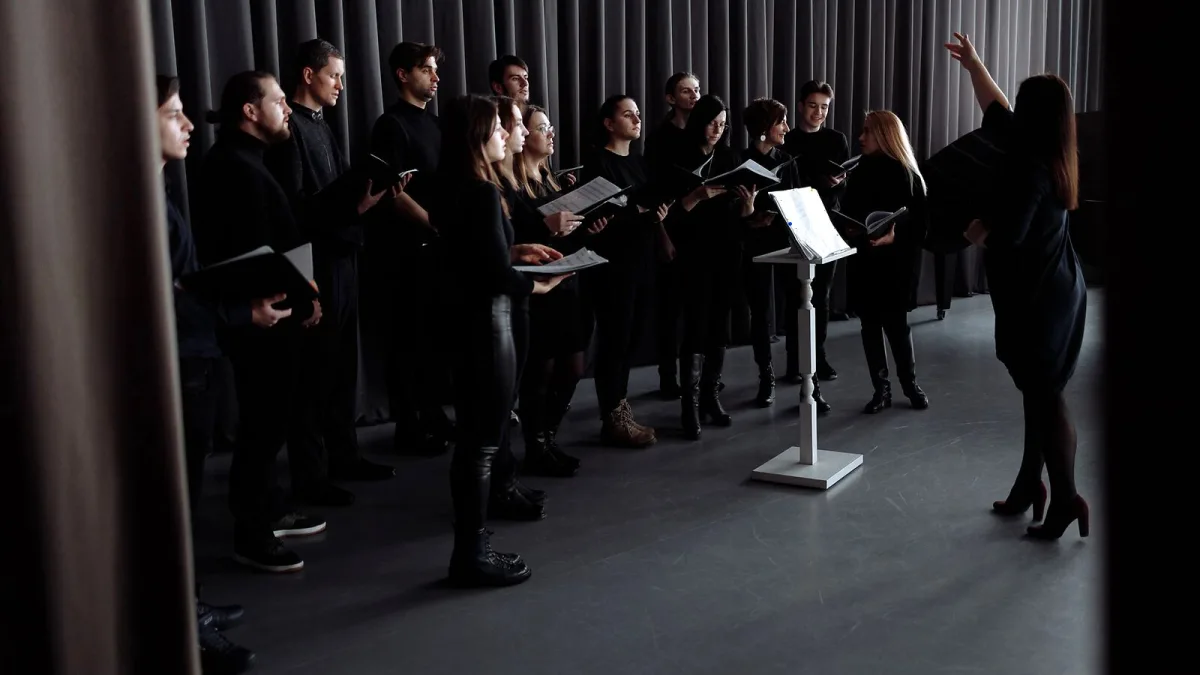
Searching for singing lessons near you produces a long list of names and very little to choose between them. Voice teaching is not a regulated profession in the UK, which means the quality on offer varies enormously and the burden of judgement falls on you. Fortunately there are reliable places to look and a short set of questions that sort a good teacher from a poor one quickly.
Where to start looking
Professional registers
The Musicians' Union and the Incorporated Society of Musicians both maintain directories of teachers who are members. Membership is not a qualification in itself, but members are expected to hold insurance and follow a professional code of conduct, which filters out a good deal.
Local institutions
Music services run by local authorities, adult education colleges, community choirs and university music departments all either teach adults directly or know who does locally. A choir director in particular usually knows every competent voice teacher in the area.
Personal recommendation
Still the best signal available. If you hear someone singing well, ask who they study with. Teachers who get results tend to be known.
What qualifications actually mean
You will see several kinds of credential, and they tell you different things.
- Graded exams from boards such as ABRSM, Trinity College London and RSL show that the teacher has themselves worked through a structured syllabus, and indicate they can prepare you for the same if that is what you want.
- A music degree or a conservatoire diploma indicates serious study, though not necessarily in teaching or in the style you want to sing.
- A specific teaching qualification or diploma is the most directly relevant, because singing well and teaching singing are genuinely different skills.
Plenty of excellent teachers have an unconventional background, particularly in contemporary styles. Treat qualifications as evidence rather than as a requirement, and weigh them alongside what you hear and feel in a trial lesson.
Match the teacher to the singing you want to do
Classical technique, musical theatre and contemporary pop or rock singing overlap, but they are taught differently and they ask different things of a voice. A teacher who has spent a career in opera may be a poor fit for someone who wants to front a covers band, and the reverse is equally true. Ask directly what they mostly teach. A good teacher will tell you honestly, and will refer you elsewhere if you are not a fit.
In person or online?
Online lessons have become entirely normal and open up teachers far outside your area. The trade-offs are real, though: audio compression flattens the detail a teacher listens for, latency makes singing together with accompaniment awkward, and a teacher cannot see your posture and breathing as clearly. If you go online, invest in a wired connection and decent headphones, and expect the first few lessons to involve some technical fiddling.
Questions worth asking at a trial lesson
- What will we work on in the first few months, and how will I know it is working?
- How do you warm a voice up, and what should I be doing between lessons?
- How much practice do you expect, and what should it look like?
- Do you teach exam syllabuses, and do you want me to?
- What is your policy on cancellations and on paying for a term in advance?
Ask as well how lessons are structured and how long they run. Thirty minutes suits a younger or newer singer; forty-five or sixty gives room for proper warm-ups, technical work and repertoire.
Safeguarding, if the lessons are for a child
Any teacher working with under-18s should hold an enhanced DBS check and should be entirely comfortable being asked about it. They should also be willing to teach with a parent present or in a setting with visibility into the room. A teacher who is evasive about either is telling you something important.
Warning signs
Singing should never hurt. A teacher who pushes you towards strain, hoarseness or pain, who insists there is only one correct way to sing, who cannot explain what an exercise is for, or who pressures you into paying for a long block before you have had a single lesson, is not worth your time or money. Good teaching leaves you with a voice that feels easier at the end of the hour than at the start.
Give it a term
Once you have found someone you trust, commit properly. Voice work is slow and cumulative, and the changes are often imperceptible week to week and obvious over a term. Record your lessons if your teacher agrees, and listen back after a few months. The progress is usually clearer than it feels.



Comments