


Yamaha P45 roundup
Yamaha P45: A Complete Buyer's Guide
Skip the marketing language. Here's what actually matters when deciding whether a Yamaha P45 is the right buy for you.
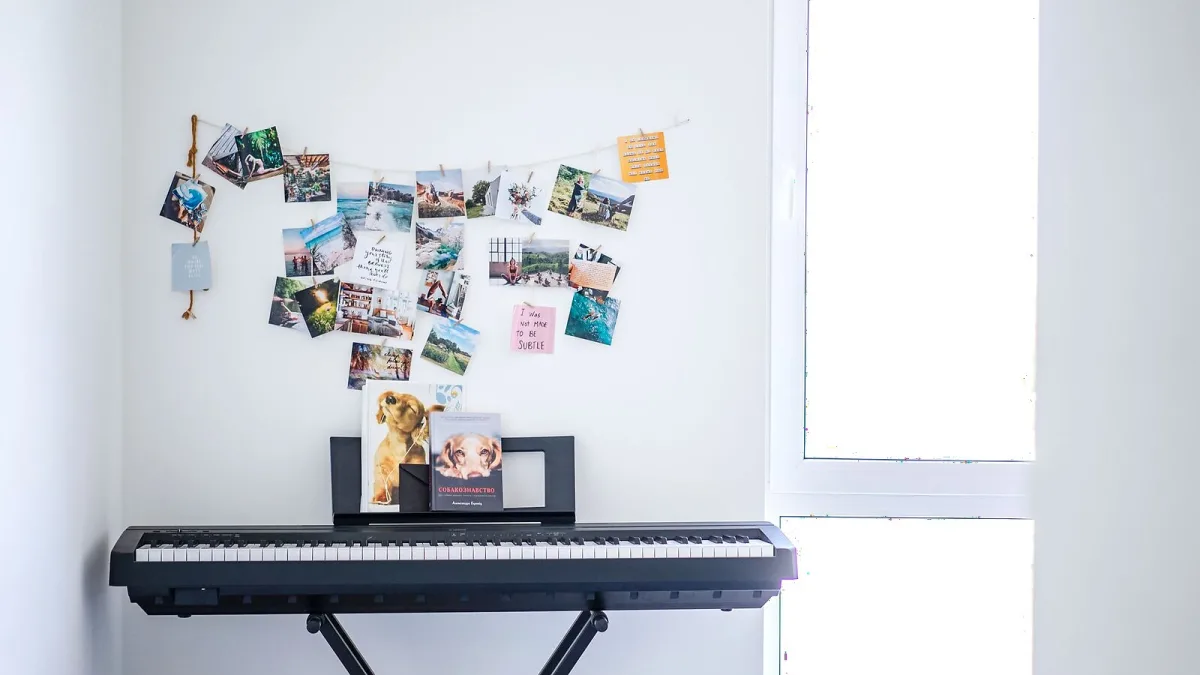
I've talked more parents and beginners through this exact purchase than almost any other instrument decision, so let's skip the marketing language and get straight to what actually matters when you're deciding whether a Yamaha P45 is the right buy for you.
First: Are You Buying New, Used, or a P-71?
This is the question that trips people up first. Yamaha introduced the P-145 as the P45's official successor in 2023, so a genuinely new P45 today usually means remaining retailer stock rather than Yamaha's current line-up. That's not automatically a problem — the instrument itself hasn't changed — but it does mean supply and pricing can vary a lot by retailer and region.
You'll also come across the Yamaha P-71, sold through specific retail channels and commonly treated as a near-equivalent. Don't assume every P-71 listing matches every P45 listing exactly, though — warranty terms, included accessories and regional specifications can differ. Always check the actual listing rather than assuming.
What You Actually Need to Buy Alongside It
The keyboard alone isn't the whole setup. Budget for these before you commit:
- A stable stand — Yamaha's own L-85 is a matching option in some markets, but a solid generic keyboard stand at the right height works fine too.
- A sustain pedal — a basic pedal gives simple on/off sustain, but Yamaha's optional FC3A pedal is what unlocks proper half-pedalling, which matters more than beginners often expect once they progress past the earliest stages.
- Headphones — genuinely essential for shared living spaces or late practice sessions; check the plug type against the instrument's standard headphone output.
- The correct power adapter — Yamaha specifies the PA-150 or an approved equivalent. Don't assume a random adapter with a similar plug is safe to use.
What the Spec Sheet Actually Tells You
A few numbers on the box matter more than the rest. The 88-key Graded Hammer Standard action is the headline feature, and it's genuinely weighted rather than a marketing exaggeration — though it's fair to note independent reviews often call it "fully weighted" while Yamaha's own materials stick to the more precise GHS terminology. Sixty-four-note polyphony is enough for most solo playing but can be tested by heavy pedalling or layered Dual-mode sounds, so don't expect workstation-level headroom. Ten built-in voices is modest by design — this is a piano-focused instrument, not an all-purpose keyboard.
Comparing It to the Alternatives
If you're shopping around before deciding, it's worth at least glancing at other popular entry-level weighted digital pianos, such as Casio's CDP-S series and Roland's FP-10, and of course Yamaha's own P-145 successor. Rather than getting lost comparing spec sheets line by line, focus on three practical questions: does the action feel right under your own fingers, does the size fit where you'll actually put it, and does the price include what you need (stand, pedal, bench) or leave you buying three separate items afterwards.
Buying Used: What to Actually Check
A used Yamaha P45 can be excellent value if it's priced clearly below a new P-145, but condition matters enormously. Before handing over any money:
- Play every single key, listening for inconsistent velocity response or mechanical noise.
- Test the sustain pedal input and the headphone output.
- Check the USB connection actually registers on a computer or tablet.
- Listen to the built-in speakers at different volumes.
- Look closely for any signs of liquid damage or intermittently unresponsive keys.
- Confirm whether the music rest, pedal and power adapter are genuinely included, not just implied in the listing.
Who This Instrument Actually Suits
The Yamaha P45 makes the most sense for a genuine beginner or returning player who wants a proper weighted-key learning experience without committing to a full-size cabinet piano, and who values portability and simplicity over a large sound library or advanced connectivity. If that's you, our full overview of the Yamaha P45's features is worth reading alongside this guide, and if you're a total newcomer to piano rather than upgrading, our beginner-focused guide covers the learning side properly.
The Bottom Line
Buying a Yamaha P45 sensibly comes down to three decisions: new remaining stock versus used versus the newer P-145, which accessories you actually need rather than assume are included, and an honest check of condition if you're buying secondhand. Get those three right and you'll end up with a genuinely capable practice instrument for the money. For a breakdown of exactly which configuration gives the best value, our guide to the best Yamaha P45 options for the money is the natural next read.



Comments