


Yamaha P45 roundup
The Best Yamaha P45s for the Money
Best value doesn't mean cheapest. Here's how to match your Yamaha P45 purchase to what you actually already own and need.
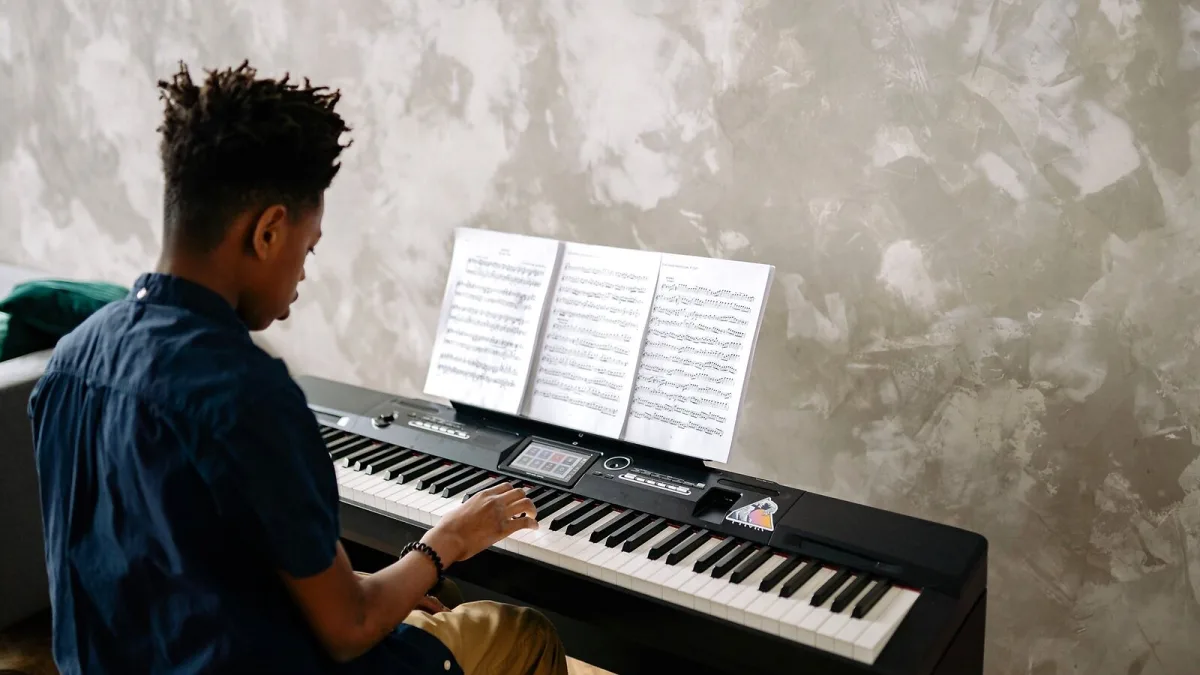
"Best value" doesn't mean "cheapest" here — it means getting exactly what you actually need without paying twice for the same thing or discovering a missing pedal three weeks in. Since the Yamaha P45 is a single instrument rather than a range of different models, the real value decisions are about configuration: what you buy your Yamaha P45 with, in what condition, and whether the newer P-145 is worth the jump instead.
The Four Ways People Actually Buy This Instrument
| Option | Best for | Watch out for |
|---|---|---|
| Keyboard alone | Buyers who already own a stand, pedal and headphones | Easy to underestimate what you still need to add |
| Keyboard + stand + bench + pedal bundle | First-time buyers wanting everything in one purchase | Confirm the pedal is genuinely Yamaha-compatible, not a generic switch |
| Used unit | Budget-conscious buyers comfortable inspecting condition | Missing accessories, unclear history, no warranty |
| Yamaha P-145 instead | Buyers who want current-generation support and stock | Usually a higher price than a remaining P45 |
Best Value: The Keyboard Alone
If you already have a stand from a previous keyboard, a sustain pedal and a pair of headphones, buying just the Yamaha P45 itself is genuinely the smartest way to spend your money. There's no point paying for accessories you won't use. Just double-check your existing pedal will actually work properly with it — a basic switch-type pedal gives simple on/off sustain, but you'll need Yamaha's FC3A specifically if half-pedalling matters to you.
Best for First-Time Buyers: A Genuine Bundle
If this is your first digital piano and you own none of the supporting gear, a proper bundle — stand, bench, pedal and sometimes headphones included — is usually better value than buying everything separately, purely on convenience and often on price too. The one thing worth checking carefully: some bundles include a basic pedal rather than the half-pedal-capable FC3A, so read the included accessories list closely rather than assuming "pedal included" means the better one.
Best for Stretching Your Budget: Buying Used
A used Yamaha P45, priced clearly below new remaining stock or a new P-145, can be the single best value option available if you're willing to do the legwork of checking it properly. Play every key for consistent response, test the sustain input and headphone output, and confirm the USB connection actually works before you hand over any money. A well-cared-for used unit with all its original accessories can save you a genuinely significant amount over buying new.
Best if You Want the Current Model: The Yamaha P-145
It's worth being honest here: Yamaha introduced the P-145 as this instrument's official successor in 2023, and if new stock is scarce, expensive, or you simply want a currently supported model with full manufacturer backing, the P-145 is the sensible upgrade path rather than chasing diminishing remaining stock. It's not automatically "better value" in every case — remaining new or well-priced used units can still be the smarter buy — but it deserves a place on your shortlist rather than being dismissed outright.
What Doesn't Change Whichever Route You Take
Regardless of which configuration you land on, every Yamaha P45 shares the same core instrument: an 88-key Graded Hammer Standard action, 64-note polyphony, 10 built-in voices and straightforward USB MIDI connectivity. For the full rundown of what those specs actually mean day to day, our complete features overview covers it properly, and our full buyer's guide goes deeper into the new-versus-used decision specifically.
A Quick Value Checklist
- List what you already own before comparing bundle prices — don't pay for a stand or pedal you don't need.
- Confirm any included pedal supports half-pedalling if that matters to your playing.
- For used listings, ask specifically whether the power adapter and music rest are included.
- Compare the total cost of a bundle against buying the keyboard plus accessories separately — bundles aren't always cheaper.
- Check current pricing on the P-145 before ruling it out purely on the basis that it's "the newer, pricier option."
The Bottom Line
There's no single "best" way to buy into this instrument — the right choice depends entirely on what you already own and how much inspection effort you're willing to put in for a used unit. Work out your actual starting point first, then match it against the four routes above, and you'll end up spending your money on what you genuinely need rather than what a bundle happened to include. If you're a total beginner still deciding whether piano is for you at all, our beginner's guide is worth reading before any of this.



Comments