


Yamaha P145 article
Yamaha P145 Explained: Features, Types and Tips
GHC action, a CFIIIS piano sound and a Bluetooth-equipped sibling — here's what makes up the Yamaha P-145.
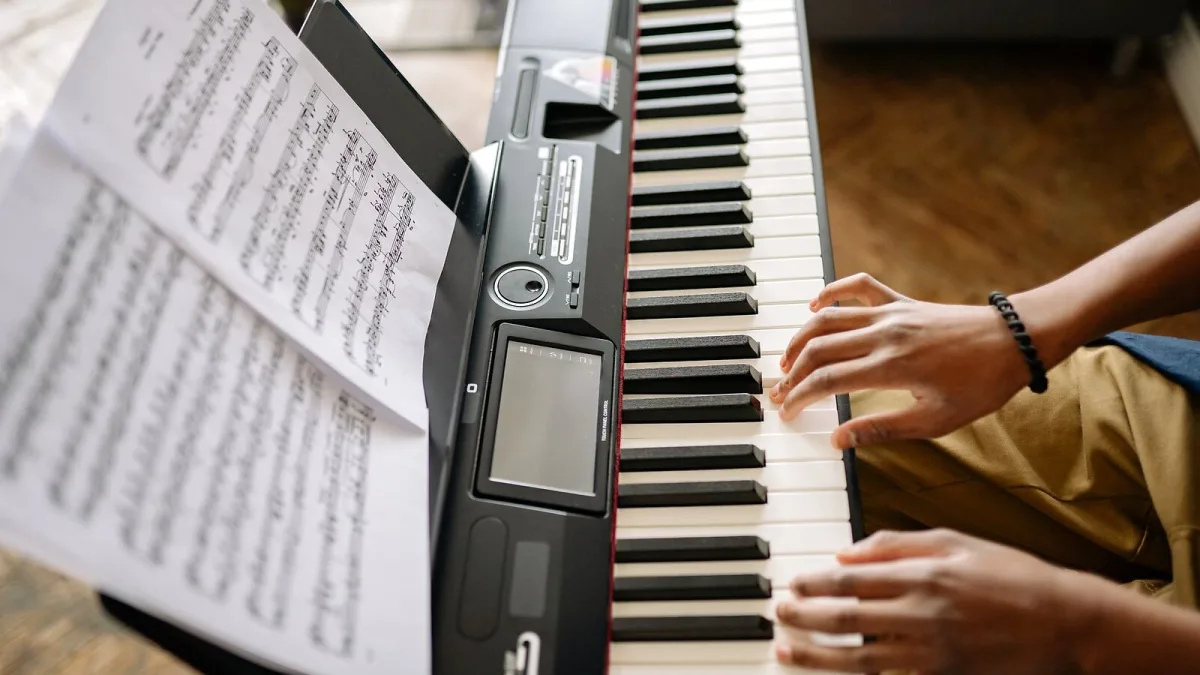
If you've been pointed towards the Yamaha P-145 while looking for a first proper piano, that's no accident — it's one of the most recommended entry-level 88-key instruments around at the moment. Let's go through what it actually is, how its parts fit together, and what each of those specification-sheet terms genuinely means for your playing.
What Is the Yamaha P-145?
The Yamaha P-145 is a portable digital piano with a full 88-key weighted keyboard, designed for practice, lessons and home playing rather than stage performance or advanced arranging. It replaces the long-serving Yamaha P-45, and the most significant change between the two is the keyboard action itself — more on that shortly. There's also a P-145BT variant, which keeps the same core piano but adds Bluetooth audio, letting you stream sound from a phone or tablet through the instrument's own speakers.
The Keyboard: What "GHC Action" Actually Means
Yamaha's older P-45 used what it calls Graded Hammer Standard (GHS) action. This newer instrument moves to a slimmer mechanism called Graded Hammer Compact (GHC). "Graded" simply means the keys are weighted unevenly on purpose — heavier in the bass, lighter in the treble — to mimic the way hammers of different sizes behave inside an acoustic piano. GHC preserves that same graded feel while allowing Yamaha to build a shallower, more compact instrument overall.
You can also adjust touch sensitivity in the settings, choosing between hard, medium, soft or a fixed response, which changes how firmly you need to play to get a louder sound. It's worth experimenting with this rather than leaving it on the default, especially if you're coming from an acoustic piano with a different feel.
Sound, Voices and Polyphony
The main piano voice on the Yamaha P-145 is based on Yamaha's CFIIIS concert grand sample, a step up from the older sampling technology used in the P-45. Alongside it sit nine other voices — a second acoustic piano variation, two electric pianos, two organs, a harpsichord, an accordion, a flute and orchestral strings — plus four onboard reverb settings to add a sense of space.
Polyphony is rated at 64 notes, meaning that's the maximum number of notes the instrument can sound at once before older ones get cut off. For most beginner and intermediate playing that's plenty, though heavy use of the sustain pedal, layered voices or dense classical pieces can use it up more quickly than you'd expect.
| Feature | Specification |
|---|---|
| Keys | 88, weighted, GHC action |
| Polyphony | 64 notes |
| Voices | 10, including two acoustic pianos |
| Reverb | 4 settings |
| Speakers | Two 12cm speakers, 2 x 7W amplification |
| Weight | Approx. 11.1kg (standard model) |
Modes Worth Knowing About
Dual (or Layer) mode combines two voices together across the whole keyboard — piano and strings, for instance. Duo mode does something different: it splits the keyboard into two identical pitch ranges, so a teacher and student can sit side by side and play the same notes in the same octave. There's also a Sound Boost setting to lift the instrument's presence when needed.
Connections and Pedals
The standard Yamaha P-145 connects via USB to Host, which lets it talk to a computer, tablet or compatible app such as Yamaha's Smart Pianist or Rec'n'Share, alongside a sustain-pedal input and a headphone output. It ships with a simple single sustain pedal; players who want proper three-pedal functionality, with sostenuto and soft pedal as well as damper, can add Yamaha's optional LP-5A unit. The P-145BT adds Bluetooth audio to that same connection list — useful for backing tracks and streamed lessons, though worth noting that's audio streaming, not Bluetooth control of the instrument itself.
Size, Portability and Everyday Setup
At roughly 1,326mm wide and 268mm deep, and weighing about 11.1kg, the standard model is shallow and light enough to move between rooms without much fuss, or to carry to a lesson in a padded case. That makes it a sensible fit for a bedroom, a student flat, or any home where a full-size cabinet piano simply wouldn't fit.
A few small habits make everyday setup easier: use a stand that's actually rated for an 88-key instrument's width, sit so your forearms are roughly level with the keys rather than reaching up, and start with the default piano sound before exploring reverb or the Sound Boost setting. None of this is complicated, but it makes a genuine difference to comfort over a long practice session.
Who It Actually Suits
This is a practice instrument first and an all-rounder second: strong on weighted 88-key playing, sound quality and portability, lighter on extras like automatic accompaniment or built-in recording. That combination suits beginners, students working towards exams, and anyone who wants a genuinely portable alternative to a furniture-style digital piano.
If you're weighing this up against buying one, our buyer's guide walks through exactly what to check before you commit, and if you're new to pianos altogether, our beginner's guide is the gentler starting point. Once you've settled on the instrument, it's worth a look at common mistakes to avoid before you set it up.
The Bottom Line
The Yamaha P-145 earns its popularity by doing the fundamentals properly — a genuinely weighted keyboard, a respectable piano sound, and a size that fits into a normal home — without pretending to be something bigger than it is. Understand what GHC action, polyphony and the BT variant actually mean, and the rest of the spec sheet stops being a mystery.



Comments