


Yamaha P145 article
Common Yamaha P145 Mistakes to Avoid
None of these ruin the instrument, but each is an easy, avoidable annoyance. Here's what actually trips up new Yamaha P-145 owners.
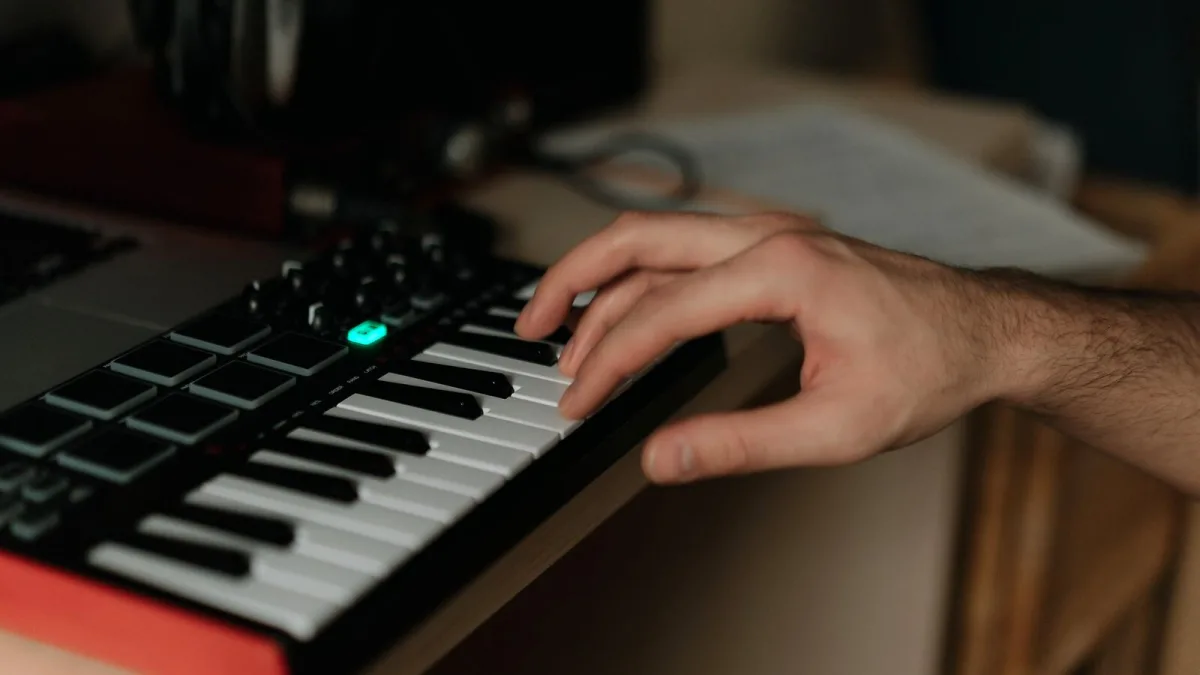
Having taught plenty of families through their first digital piano purchase, I see the same handful of Yamaha P-145 mistakes over and over. None of them ruin the instrument, but each one is an easy, avoidable annoyance — so let's get them out of the way before they happen to you.
Putting It on a Wobbly Stand
Because it doesn't come with a stand, people often reach for whatever's cheapest or already lying around. An unstable X-stand can rock and shift during firmer playing, which is distracting at best and can genuinely knock the instrument's balance during a lesson. Spend the small amount extra on a stand actually rated for an 88-key instrument's width and weight.
Assuming the BT Model Has Bluetooth MIDI
The P-145BT's confirmed feature is Bluetooth audio — streaming music or backing tracks through the piano's speakers. It is not the same as Bluetooth MIDI, which would let a wireless app control the instrument directly. Don't buy the BT version expecting that kind of wireless control unless your specific regional manual explicitly confirms it.
Never Touching the Touch-Sensitivity Setting
Most people never open the settings menu, which is fine, but if the keys feel unexpectedly heavy or light compared with what you're used to, that's usually a five-second fix. The P-145 lets you choose between hard, medium, soft or a fixed response. Leaving it on the wrong setting for months, assuming that's simply "how the piano feels," is a needless frustration.
Skipping Headphones and Practising Guilt-Ridden
I've met more than one family where practice time shrank because someone felt bad about the noise. A pair of headphones plugged in solves this instantly, letting anyone practise at any hour without disturbing the rest of the house. It's a cheap fix for a problem that otherwise quietly limits how much a beginner actually plays.
Expecting the Included Pedal to Do a Three-Pedal Job
The single sustain pedal in the box is perfectly functional for most playing, but it isn't a substitute for a genuine three-pedal setup with sostenuto and soft pedal, which classical repertoire and exam boards increasingly expect. If that's where you're heading, plan for Yamaha's optional LP-5A unit rather than being caught out later.
Mixing Up the P-145 With the P-143
Yamaha's manuals and specifications list both the P-145 and the closely related P-143 family, and it's easy to assume they're identical. Market positioning and included features can differ by region, so always confirm the exact model designation, sound engine and accessories for the specific unit you're buying, rather than assuming every "P-14x" is the same instrument.
Cranking the Onboard Speakers Instead of Adding Real Amplification
The two 12cm speakers and their 7-watt amplifiers are built for personal practice in a normal room, not for filling a hall or competing with other instruments. Pushing them to their limit for a small performance just distorts the sound. If you need proper volume, an external amp or a keyboard-specific powered speaker is the right tool, not the piano's own built-in speakers.
Overloading Polyphony Without Realising It
With 64 notes of polyphony on tap, it's easy to assume you'll never hit the ceiling. Layer two voices together, hold the sustain pedal through a dense passage, and add a full chordal texture, though, and older notes can start cutting out without an obvious cause. If a passage suddenly sounds thinner than expected, try releasing the pedal a little sooner or dropping Dual mode back to a single voice before assuming something's wrong with the instrument.
Forgetting the Original Power Supply and Documentation
It's a small thing until it isn't: misplace the original power supply or the manual, and replacing either can be more fiddly than expected, since the connector and voltage need to match exactly. Keep both somewhere sensible from day one, especially if the piano ever moves house, gets sold on, or is passed down to someone else in the family.
Bottom Line
Most Yamaha P-145 mistakes come down to skipping a small, cheap decision — a proper stand, a headphone habit, checking the exact model — that would have taken two minutes upfront. Sort those out early and the piano itself will serve you well for years. For the full picture of what it offers, see our explainer, and if you're still deciding what to buy alongside it, our buyer's guide covers exactly that.




Comments