


Yamaha P145 roundup
The Best Yamaha P145s for the Money
Not which P-145 wins, but where the extra money genuinely improves things, from stands and pedals to the Bluetooth model.
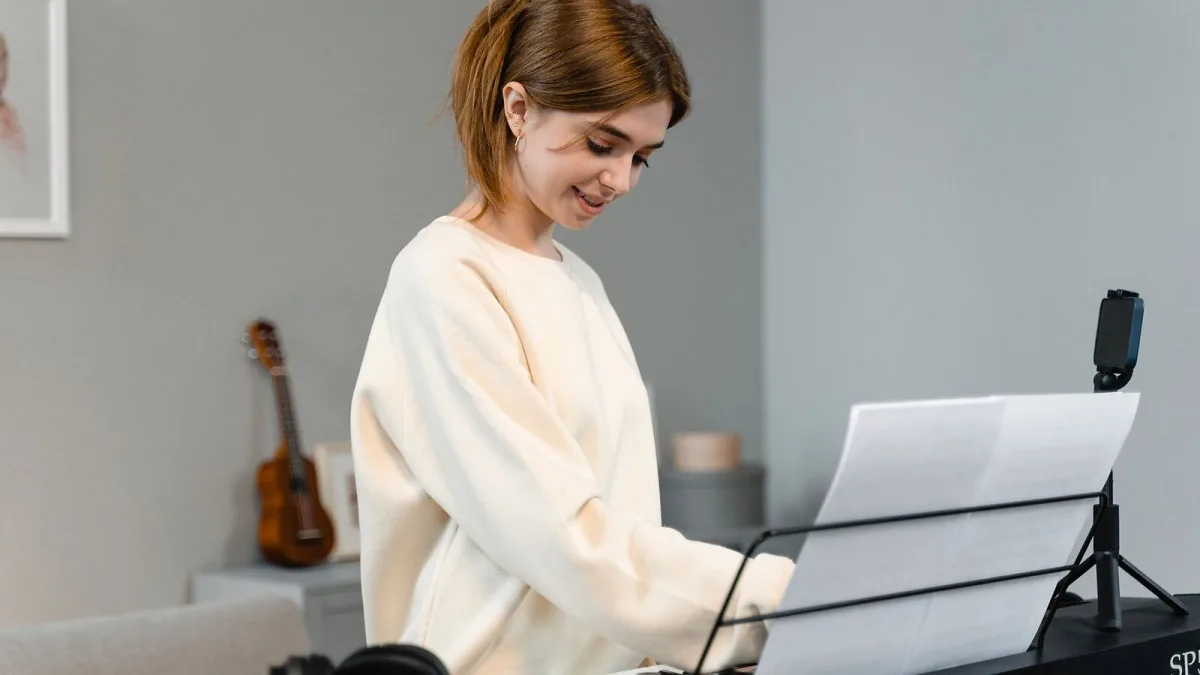
There isn't really a "best" Yamaha P-145 to pick between, since the standard and BT versions share the same keyboard and sound — but there's a real question about which extras are worth your money once you've decided on the piano itself. Here's where that spend genuinely earns its keep.
Just the Piano: When Bare-Bones Is the Right Call
If you're buying for a first-time player who isn't yet sure how long they'll stick with it, the leanest sensible setup is the piano itself, the included single sustain pedal, and a simple stand. That's genuinely enough to learn scales, chords and a full beginner repertoire on a proper 88-key weighted keyboard. Resist the pressure to add every accessory upfront — you can always build on it once you know what you actually use.
Where the Extra Money Is Well Spent
Once you know you're sticking with the P-145, a few upgrades genuinely change the day-to-day experience rather than just adding clutter:
- A proper stand. A stable, height-appropriate keyboard stand rather than a wobbly generic one makes a noticeable difference to comfort and confidence, especially for a child or nervous beginner.
- A three-pedal unit. If exams or classical repertoire are on the horizon, Yamaha's optional LP-5A adds sostenuto and soft pedal alongside the damper function — the included single pedal simply can't do that.
- A decent pair of headphones. The onboard speakers are fine for casual practice, but headphones reveal far more detail in tone and dynamics, and let you practise without disturbing the household.
Is the BT Version Worth the Extra?
The P-145BT costs a little more for Bluetooth audio streaming — the ability to play backing tracks, lesson audio or reference recordings through the piano's own speakers. Whether that's worth it depends entirely on how you practise. If you regularly follow along with streamed lessons or backing tracks, it's a genuinely useful convenience. If you mostly play from sheet music in silence, or already have a decent Bluetooth speaker nearby, the standard model does everything you actually need for less.
A Sensible Package, Tier by Tier
| Spend level | What you get | Who it suits |
|---|---|---|
| Essentials only | Piano, included pedal, basic stand | A first-timer testing the water |
| Comfortable everyday setup | Add a proper stand and headphones | Anyone practising regularly at home |
| Exam-ready setup | Add the LP-5A three-pedal unit | Students working towards graded exams |
Notice that the piano itself doesn't change across any of these tiers — only what surrounds it does. That's worth remembering if a retailer tries to upsell you to a pricier bundle before you've even worked out which tier you actually need.
Buying Refurbished or Ex-Demo
Refurbished or ex-demo units turn up from reputable retailers from time to time, and they can be good value if the piano itself has been properly checked over. Confirm the seller's warranty terms, test that all 88 keys respond evenly, and check that the original power supply and sustain pedal are included — a secondhand P-145 without its correct power supply is more hassle than it's worth to fix.
Accessories That Aren't Worth Prioritising
Not every add-on pulls its weight early on. A few things worth putting off:
- External amplification or powered speakers — unnecessary until you're regularly playing for more than one room's worth of people.
- A padded carry case — only worth it once you know you'll actually be transporting the instrument, such as to lessons.
- Third-party accessory bundles that pad out the price with items you may never use, such as extra music stands you don't need on top of the built-in one.
Weighing It Against Other Entry-Level Options
The P-145 isn't the only sensible entry-level 88-key digital piano on the market — Casio, Roland and Kawai all make comparable instruments in the same rough bracket, and it's worth an honest look at those before you commit. What tends to earn Yamaha's model its reputation is the combination of genuinely graded weighted action, a well-regarded CFIIIS-derived piano sound and solid app support through Smart Pianist, rather than any single standout feature. Treat any "best in class" claim you read, including this one, as a reviewer's opinion rather than an independently tested fact, and try a few instruments in person if you're able to.
Bottom Line
Start with the piano, the included pedal and a stable stand, then add a proper three-pedal unit and headphones once you know you're committed. Choose the BT version only if streamed audio genuinely fits how you practise, not because it sounds like the "better" option by default. For the full spec breakdown behind these choices, see our Yamaha P-145 buyer's guide, and if a few of these extras still feel like a foreign language, our beginner's guide covers the basics without assuming prior knowledge.



Comments