


Church Organ roundup
The Best Church Organs for the Money
Where the budget genuinely goes furthest, tier by tier, from a modest digital instrument through to a full cathedral commission.
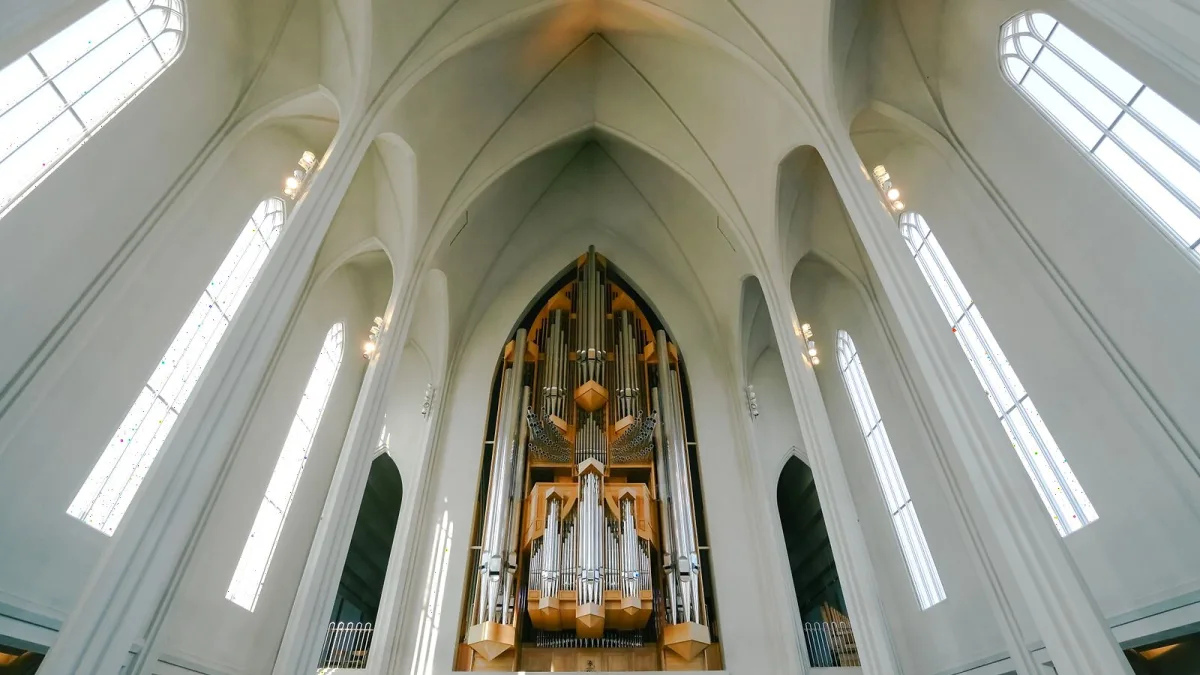
Every congregation asks some version of the same question eventually when it comes to a church organ: what should we actually spend our money on? There's no single right answer, but there is a sensible way to think about it, tier by tier, matched to what your building and budget can genuinely support.
If Budget Is Genuinely Tight: A Modest Digital Instrument
A simpler digital instrument, well chosen for your room's size, gets a small congregation singing confidently without an enormous outlay or ongoing maintenance burden. It won't replicate every nuance of real pipework, but for many smaller churches, reliable and affordable service accompaniment matters more than architectural authenticity.
Best for: smaller congregations, tight budgets, and churches without the space or structure for pipework.
The Sensible Middle Ground: A Fuller-Featured Digital Instrument
Step up to a more capable digital system with better speaker placement and dispersion, and you get noticeably more convincing projection throughout the nave, plus a wider range of stops and colours for varied repertoire. This tier suits churches that want genuine musical flexibility without committing to pipework's long-term maintenance demands.
Best for: mid-sized congregations wanting real musical range without a pipe organ's upkeep.
If Space and Budget Allow: A Small Pipe Instrument
A modestly sized pipe church organ brings something a speaker simply can't: real pipes responding to your building's actual acoustics. It demands a genuine budget for both installation and ongoing tuning and maintenance, and it needs access to a qualified technician, but for a church committed to the long term, it's a meaningful investment in the building itself.
Best for: churches with a real acoustic space to fill and a long-term maintenance plan in place.
For a Cathedral-Scale Commission: A Full Pipe Instrument
At the top of the scale sit the large, multi-manual pipe instruments capable of filling a cathedral-sized space with genuine dynamic range, from the softest flute colour to full-organ climaxes. This is a decades-spanning commitment involving specialist builders, and it's rarely the right first step for a smaller congregation — but for the right building, nothing else genuinely compares.
Best for: cathedrals, major churches, and institutions planning for the very long term.
Restoring an Existing Instrument Instead of Replacing It
If your church already has a pipe church organ, restoration is often the smarter spend rather than full replacement. A proper independent assessment and documented service history should come before any major rebuilding decision — a historic instrument in good structural condition may need far less than a wholesale replacement would cost.
Matching the Choice to the Church
| Situation | Sensible direction |
|---|---|
| Small congregation, tight budget | A modest, well-placed digital instrument. |
| Mid-sized church wanting range | A fuller-featured digital system. |
| Committed long-term, real acoustic space | A small pipe instrument. |
| Cathedral or major institution | A full multi-manual pipe commission. |
| Existing historic instrument | Restoration over replacement, where feasible. |
Still weighing up pipe versus digital in general terms? Our complete buyer's guide covers the full decision checklist, and our full overview explains how the underlying instrument actually works.
The Bottom Line
The best church organ spend is rarely the most expensive option available — it's whatever genuinely matches your building, your congregation's needs, and your church's capacity for ongoing maintenance. Get that honest match right, and even a modest instrument can serve a congregation beautifully for decades. If someone at your church is picking up the instrument for the first time, our beginner's guide is worth passing along.






Comments