


Church Organ roundup
Church Organ: A Complete Buyer's Guide
A calm, step-by-step checklist for choosing an instrument that will genuinely serve your building, budget and congregation for decades.
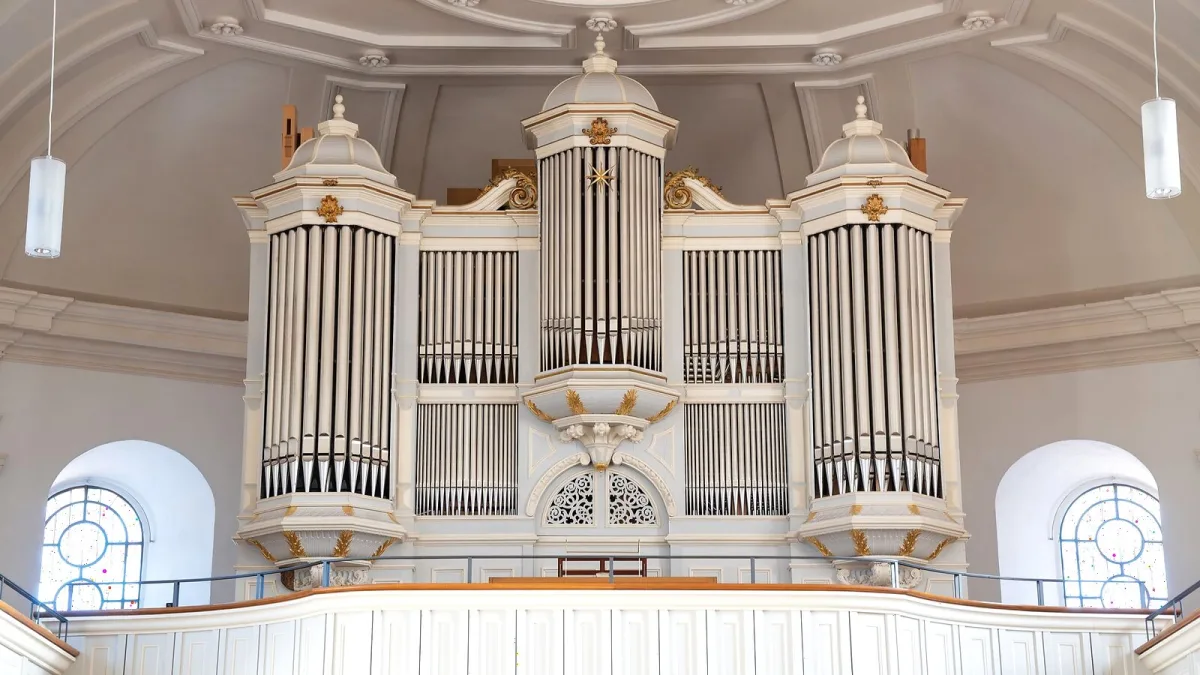
Choosing a church organ isn't like buying a piano for a front room — it's a decision that will shape services for decades, involve a serious budget, and depend enormously on the specific building it goes into. Let's work through it calmly, one decision at a time.
Decide What You're Actually Choosing Between
The first fork in the road with any church organ is pipe versus digital. A pipe instrument produces sound acoustically, with all the character, longevity and maintenance demands that involves. A digital instrument reproduces sampled or modelled pipe sounds through loudspeakers, generally at a lower initial cost and with fewer architectural constraints. Neither is automatically the right answer — it depends on everything that follows.
Assess Your Space and Acoustics First
Before comparing specific church organs, understand your building. Available space, ceiling height and the church's natural acoustics all affect what's realistic. A generous, reverberant space suits a traditional pipe instrument beautifully; a smaller or acoustically dry room may get more genuinely useful sound from a well-placed digital system. Test any demonstration in the actual building, not a showroom — headphone or showroom impressions rarely predict how something will project in your specific space.
Budget: Installation Is Only the Start
It's tempting to focus purely on the purchase or installation price, but ongoing costs matter just as much over a church organ's lifetime:
- Tuning and regulation — pipe instruments need this regularly.
- Blower and reservoir maintenance — part of keeping the wind system reliable.
- Electrical or pneumatic system inspection — for actions that depend on either.
- Humidity and pest monitoring — genuinely important for wooden components.
- Access to qualified technicians — not every area has easy access to a specialist.
Repertoire and Liturgical Needs
What will actually be played matters. Congregational hymn accompaniment prioritises clarity of melody and bass over raw power. Choral or concert repertoire may demand a wider range of colours and dynamics. Be honest about what your services genuinely need rather than what sounds most impressive in a brochure.
If You're Considering a Digital Instrument
Pay close attention to speaker placement and sound dispersion for a digital church organ — this affects the result more than almost any other single factor. Ask for a demonstration in your own building where possible, and involve your organist directly in the evaluation, since the console feel and response matter as much as the sound coming from the speakers.
If You're Considering a Pipe Instrument
Confirm the availability of qualified church organ technicians in your area for ongoing tuning and maintenance. Consider whether historical authenticity matters to your congregation or building, and if you're evaluating a historic instrument, get an independent assessment and documented service history before approving any major rebuilding or replacement work.
Checklist Before You Commit
- Confirm the space and acoustics genuinely suit the instrument type you're leaning toward.
- Budget for long-term maintenance, not just the initial purchase.
- Match the instrument to your actual repertoire and liturgical needs.
- Test any digital demonstration in your own building.
- Confirm technician access for a pipe instrument before committing.
Want the full technical picture behind these decisions? Our complete overview explains how stops, manuals and pipework actually work, and our guide to the best options for the money breaks these choices down by budget tier.
The Bottom Line
There's no universally correct choice of church organ between pipe and digital, or between one builder and another — only the right answer for your specific building, budget and congregation. Take the time to test properly, budget honestly for the years after installation, and involve your organist in every serious decision. If someone at your church is new to the instrument entirely, our beginner's guide is a useful companion read.





Comments