


Chord Player article
Chord Player for Beginners: A Complete Guide
No theory, no gear, no pressure — a warm, practical route into your very first chord player.

If you've stumbled across the term chord player and felt a bit lost, take a breath — this is one of the friendliest corners of music technology to start in. You don't need any gear, any theory, or any prior experience with chords at all. You just need ten minutes and something to listen with. Let's take it gently.
Start With the Easiest Option There Is
Forget hardware and plug-ins for now. The gentlest way in is a free, browser-based chord player, such as Musicca's. You choose some chords, hit play, and it plays them back to you with piano, guitar, bass and drum sounds. There's nothing to install, nothing to plug in, and nothing that can go wrong. It's simply the fastest way to hear what a chord actually sounds like without knowing a single thing about music theory yet.
Your First Half Hour
Here's exactly what I'd try, in order, the very first time I sat down with one:
- Pick any three or four chords at random and press play. Just listen. Don't worry about whether they "work" yet.
- Change the tempo and notice how differently the same chords feel slower versus faster.
- Swap out one chord for another and listen for what changes. This is how your ear starts learning, long before your brain catches up.
- Save anything that sounds nice, even if you can't explain why. That instinct is worth trusting.
None of this requires you to understand anything technical. You're training your ear, not sitting an exam.
Make It a Tiny, Daily Habit
You don't need long sessions to make real progress with a chord player — ten minutes most days beats an hour once a fortnight. A short, relaxed habit trains your ear far more reliably than an occasional marathon session, and it's much easier to keep up when there's no pressure attached to it.
- Open your chord player before you do anything else musical that day, even just for a few minutes.
- Try one new chord combination each session rather than a whole new setlist.
- Play something you tried last week again, and notice if it sounds different now your ear's had a bit more practice.
A Very Gentle Word on Keys
Once you're comfortable pressing buttons and enjoying the results, it's worth picking a "key" before you experiment further — most tools let you set one. A key is simply the home base a set of chords is built around, and sticking to it means the chords you try will naturally sound like they belong together, rather than clashing. You don't need to understand why yet. Just notice that chords from the same key tend to sit comfortably next to each other.
What Those Little Labels Actually Mean
You'll see chords labelled things like "C major", "A minor" or "G7", and it's easy to feel like you're supposed to already know what that means. You're not. Here's the plain-English version:
- Major chords tend to sound bright or settled — a good default, cheerful sound.
- Minor chords tend to sound a little sadder or more thoughtful.
- A number like 7 after a chord (as in G7) just means one extra note has been added, giving it a bit more tension or "pull" towards the next chord.
That's genuinely most of what you need to recognise for a good while. Everything else builds on those three ideas.
When You're Ready for a Bit More
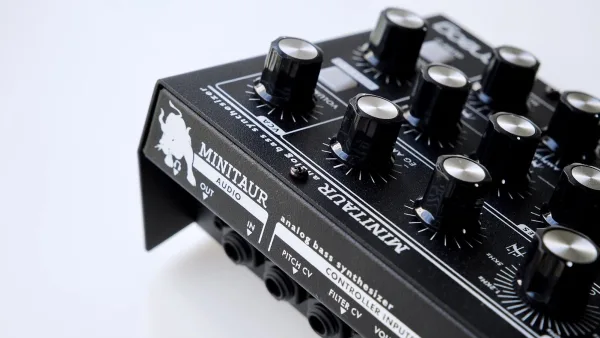
Once you've spent some proper time with a browser tool and you fancy more control, there are two natural next steps. If you're producing music on a computer, a MIDI chord plug-in will sit inside your software and feed chords straight to whatever instrument sound you're using. If you'd rather have physical buttons to press, a small hardware controller does the same job outside the computer. Neither is better — it depends whether you're more drawn to a screen or to something you can hold. Our buyer's guide walks through exactly what to look for whichever direction you choose, and our roundup of the best options breaks down which tier suits which kind of player.
Don't Overthink It
The most common thing that trips up beginners isn't a lack of knowledge — it's worrying they're "doing it wrong" before they've even had a go. There's no wrong way to press play on a chord player and listen. If a chord sounds nice to you, it's doing its job, regardless of what it's technically called. Confidence with harmony comes from hours of casual listening, not from memorising theory first. If you want the fuller technical picture once you're settled in, our complete explainer covers all the types and features in depth, and it's worth reading through common mistakes to avoid once you've got a bit of practice under your belt.
The Bottom Line
Every single person who's now confident with a chord player started exactly where you are — pressing buttons in a browser tab, unsure what any of it meant. Give yourself permission to potter about without a goal for the first few sessions. The understanding follows the listening, not the other way round.



Comments