


Post Punk roundup
The Best Post Punk Songs Right Now
It's a genre the single defined as much as the album. Here are the post-punk tracks that still land today, from 1978's art-school art-punk to 1984's widescreen closer.
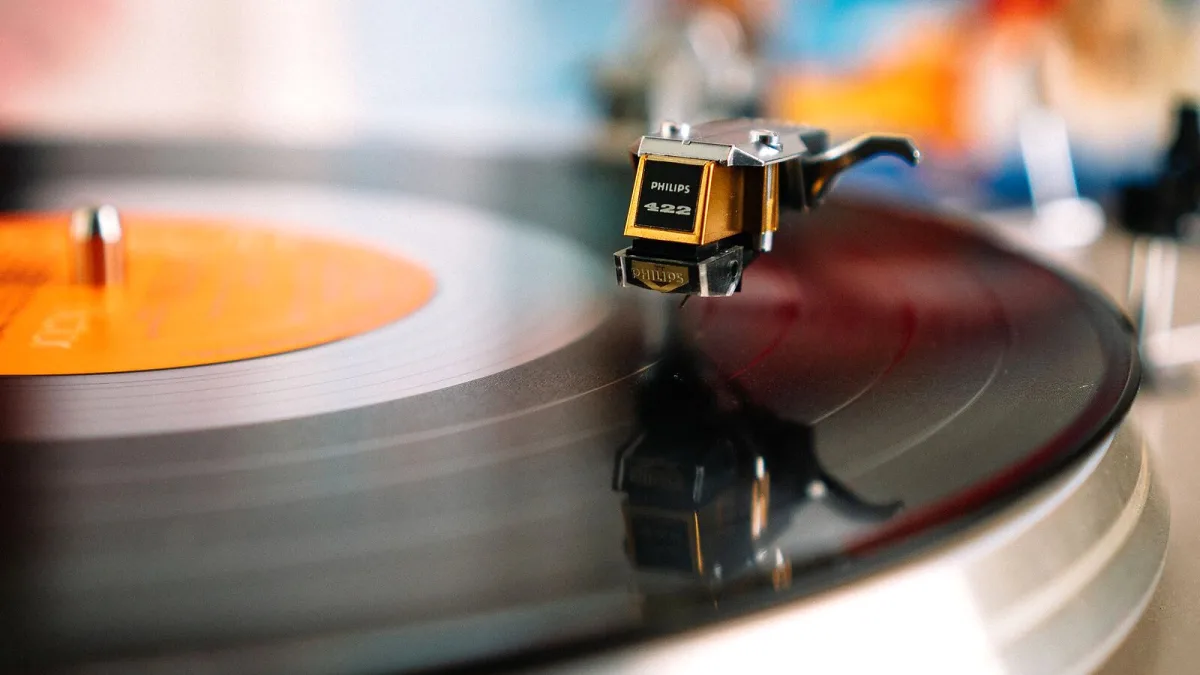
Forget "right now" in the literal sense — these tracks were mostly cut between 1978 and 1982, and they still sound sharper than most of what's in the charts this week. This is a genre where the single, not the album cut, often did the real work of defining the sound, so here's the track-by-track version of the story: the songs that still define post-punk, and why each one still lands.
Public Image Ltd — "Public Image" (1978)
John Lydon's first move after the Sex Pistols split, and a genuinely startling one. Keith Levene's guitar sounds like it's actively fighting the song, and Lydon's vocal is furious rather than sardonic — a clean break from everything punk had trained listeners to expect.
Gang of Four — "Damaged Goods" (1978)
Andy Gill's guitar barely does anything a rock guitarist "should" — it stabs and drops out, leaving the bassline to carry the groove almost entirely on its own. Turn relationships into a consumer transaction lyrically and somehow still make it a body-moving single: that's the whole Gang of Four trick in three minutes.
Siouxsie and the Banshees — "Hong Kong Garden" (1978)
A xylophone riff, a driving beat and Siouxsie Sioux's clipped, theatrical delivery made this an actual UK top ten hit — proof the emerging sound could be genuinely catchy without softening its edges.
Magazine — "Shot by Both Sides" (1978)
Howard Devoto's exit from the Buzzcocks produced this immediately, and it's arguably the single most direct bridge between punk's speed and post-punk's art-school ambition: a huge, urgent riff dragged somewhere stranger by Devoto's paranoid lyric.
Joy Division — "Transmission" (1979)
Not on Unknown Pleasures, but essential all the same — Peter Hook's melodic bass line is the actual hook here, and "dance, dance, dance to the radio" remains one of the era's most quietly devastating choruses, sung by someone who plainly wasn't dancing to anything.
Wire — "Three Girl Rhumba" (1977)
A minute and twenty-two seconds, no chorus to speak of, and it still got sampled decades later by Elastica for "Connection" — a reminder of how much of this decade's guitar music was quietly rebuilt on post-punk foundations.
The Slits — "Typical Girls" (1979)
Ari Up's snarling, playful vocal sits over a loose, reggae-inflected groove that owes as much to dub as to punk. The lyric skewers the era's expectations of how young women were meant to behave, sound and dress, and it's aged remarkably well precisely because the target hasn't disappeared.
Bauhaus — "Bela Lugosi's Dead" (1979)
Nine minutes long, built almost entirely on dub-style bass and echo, and generally credited as the moment goth properly split off from the wider post-punk scene. It's a genuinely strange choice for a debut single, which is exactly why it worked.
Talking Heads — "Once in a Lifetime" (1980)
David Byrne's polyrhythmic, Brian Eno–produced experiment turned into one of the most enduring singles of the whole era, its "same as it ever was" refrain and jittery groove still turning up in adverts and playlists that have nothing to do with post-punk's original scene.
The Cure — "A Forest" (1980)
Robert Smith at his most minimal — a chiming, chorus-drenched guitar line, a hypnotic bassline and barely any lyrics at all — proof the whole song didn't need a big hook when the atmosphere alone could carry it.
The Fall — "Totally Wired" (1980)
Mark E. Smith at his most gleefully sardonic, over a stripped-back, garage-rock-adjacent riff that never quite settles into a groove. It's a good introduction to a band whose full albums can feel intimidating on a first listen.
Echo & the Bunnymen — "The Killing Moon" (1984)
A widescreen, string-laced closer to this list, and proof the sound could scale up to something genuinely anthemic without losing its nerve. Frontman Ian McCulloch has never been shy about rating this one among the greatest songs ever written, and on a good day it's hard to argue with him.
Why singles mattered so much here
A huge amount of this movement's most durable material arrived as standalone singles rather than album tracks — "Transmission" wasn't on Unknown Pleasures, and several of the songs above predate the albums we'd now call essential. Cheap seven-inch pressings let independent labels test ideas fast and let bands build a following one hit of strangeness at a time, which is a big part of why this genre moved so quickly between 1977 and 1982.
Want the fuller albums these singles sit alongside? Our essential albums guide covers the full-length records, and the best post-punk artists to know profiles the people who made them.
The bottom line
These aren't nostalgia picks propped up by "right now" clickbait — they're the post-punk singles that still get played, sampled and referenced across current guitar music, and every one of them still sounds genuinely odd on a first listen today. Start with "Transmission" or "Hong Kong Garden" if you want an easy way in, then work backwards into the stranger stuff.




Comments