


Post Punk article
Essential Post Punk Albums Explained
Ten records, seven years, almost no shared sound — here's what to listen for on each essential post-punk album, in a sensible listening order.
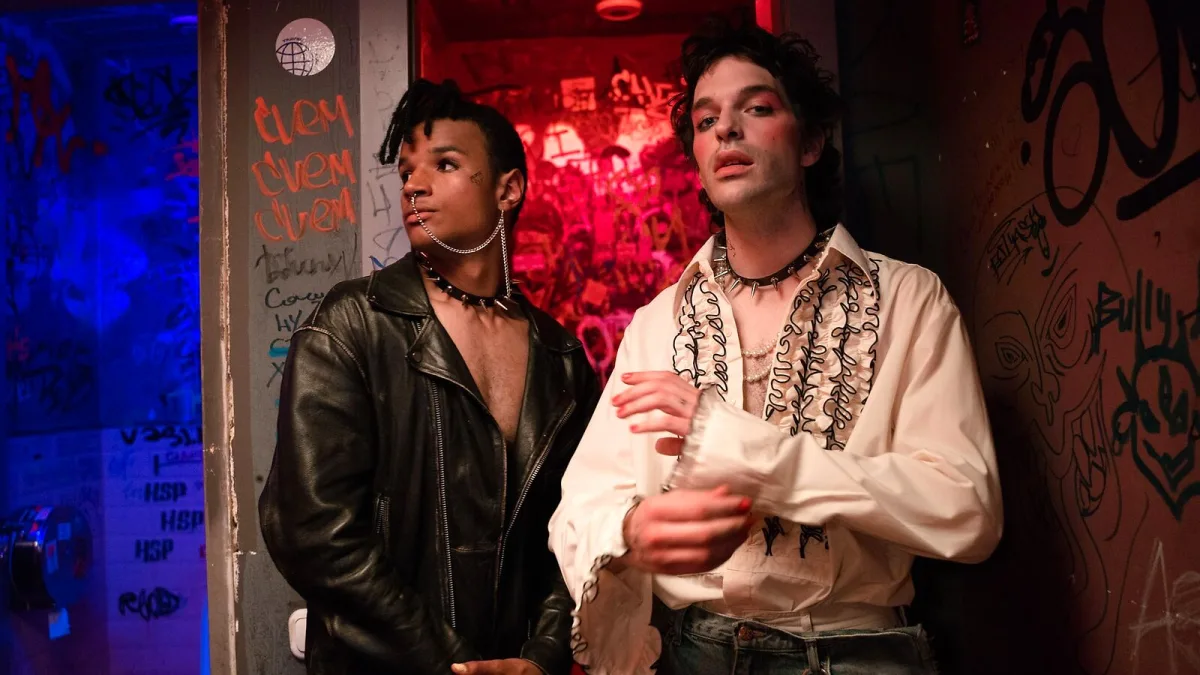
You could write a decent history of post-punk just by listing ten records made between 1977 and 1984. That's not an exaggeration — this run of albums came almost entirely out of small, artist-friendly labels working on tight budgets, and it still sounds like nothing else committed to tape before or since. Here's what to actually listen for on each one, in a sensible listening order rather than strict release date.
Wire — Pink Flag (1977)
Start here if you want the bridge from punk laid out plainly. Twenty-one songs, thirty-five minutes, several under ninety seconds — Wire's genius was knowing exactly when a song had made its point and stopping. Listen for how little repetition there is; almost nothing here has a conventional chorus.
Magazine — Real Life (1978)
Howard Devoto left the Buzzcocks and immediately made something far stranger — art-rock keyboards, oddly baroque melodies and a genuinely unsettling lyrical voice. "Shot by Both Sides" is the entry point, but the whole record rewards patience; it's less immediate than most of what follows on this list.
Joy Division — Unknown Pleasures (1979)
This is the one that non-fans have usually heard of, and for good reason. Producer Martin Hannett stripped Stephen Morris's drums down to something clinical and cold, while Peter Hook's melodic bass carries most of the actual tunes — a genuinely radical choice for a rock record at the time. Listen for how much space is left around Ian Curtis's voice; almost nothing here is cluttered.
Gang of Four — Entertainment! (1979)
The most overtly rhythmic album on this list, and arguably the funkiest. Andy Gill's guitar barely plays chords at all — it interrupts, scratches and punctuates rather than driving the song — while Dave Allen and Hugo Burnham's rhythm section does the actual work. Jon King's lyrics turn shopping, relationships and politics into something you can dance to, which was a genuinely odd trick to pull off in 1979.
Public Image Ltd — Metal Box (1979)
Originally released as three 12-inch singles packed into a film canister, which tells you most of what you need to know about the ambition here. Jah Wobble's dub-heavy bass and Keith Levene's treated, abrasive guitar make this the most obviously dub-influenced record of the era — spacious, repetitive and, on first listen, fairly hostile. Give it three plays before deciding whether it's for you.
Siouxsie and the Banshees — Kaleidoscope (1980)
A deliberate reinvention after founding guitarist John McKay quit mid-tour. New guitarist John McGeoch brought a more textural, almost orchestral approach, and the record moved the band away from brittle art-punk towards something more expansive and theatrical — a clear stepping stone towards goth.
The Cure — Seventeen Seconds (1980)
Long before Robert Smith became a household name, this was a genuinely minimal, melancholic record built on empty space and restraint. "A Forest" is the best-known track, but the whole album works as a mood piece rather than a collection of singles — put it on and let it run.
Talking Heads — Remain in Light (1980)
David Byrne's band, working with producer Brian Eno, layered West African polyrhythms into something that sounds like nothing else on this list — dense, danceable and constantly shifting. "Once in a Lifetime" remains the way in for most listeners, but the whole record is built the same way: loops stacked on loops until something genuinely new emerges.
The Fall — Hex Enduction Hour (1982)
Not an easy listen, and not meant to be. Mark E. Smith's sardonic, half-spoken vocals sit over a deliberately unstable, two-drummer arrangement that lurches rather than grooves. This is the record for when you've worked through the rest of this list and want something rougher and stranger.
Echo & the Bunnymen — Ocean Rain (1984)
A genuinely lush closing statement, recorded partly with a 35-piece orchestra — a world away from the austere records earlier on this list. Ian McCulloch's voice and Will Sergeant's chiming guitar make this the most straightforwardly beautiful record here, and a fitting way to end a decade of experimentation.
Why these post-punk albums still matter
Every post-punk record here came out of independent labels working outside the major-label system — Factory, Rough Trade, Fiction and their peers gave these bands the room to sound genuinely strange without a marketing department demanding a hit single. That grassroots, artist-first model is the reason this run of albums still sounds honest rather than calculated more than four decades on, and it's worth remembering next time someone tells you DIY music can't also be ambitious. For the people behind these records, our piece on the best post-punk artists to know goes deeper into individual careers, and if you'd rather approach this by song than by album, our track-by-track guide is the place to go.
The bottom line
Ten albums, seven years, almost no shared sound beyond a refusal to repeat punk's formula — that's the essential post-punk album run, and every one of them still holds up as a genuinely independent, DIY achievement rather than a nostalgia piece. Work through this shortlist properly and you'll understand the genre far better than any single-paragraph definition could manage. Work through them roughly in this order and the wider genre's whole arc, from clipped minimalism to orchestral scale, makes complete sense.




Comments