


Post Punk roundup
The Best Post Punk Artists to Know
A genre built by its people as much as its sound. Here are the post-punk artists worth knowing, and the record to start with for each.
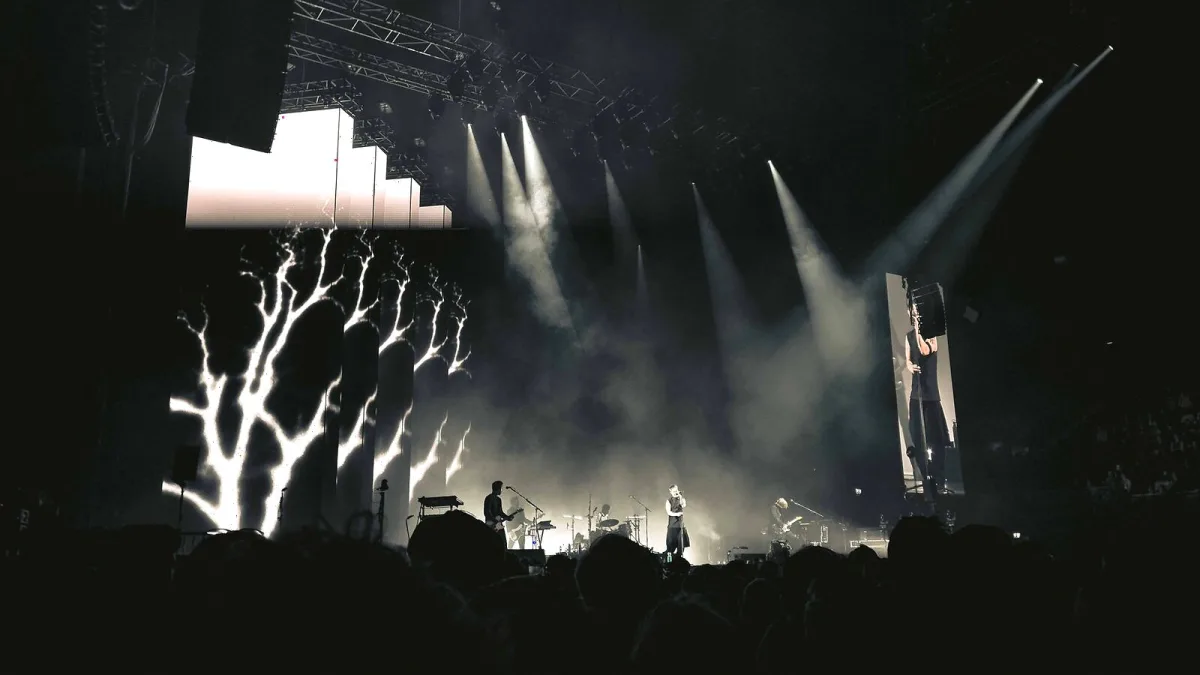
Some genres are defined by a sound. Post-punk is arguably defined by its people — a small group of bands who each took punk's leftover energy somewhere completely different, and between them built one of the most inventive stretches in British music history. If you want to know where to start listening, these are the names that matter, and why.
Joy Division
No band did more to establish the atmospheric side of post-punk than Joy Division. Ian Curtis's detached, almost mournful vocals sat over Peter Hook's melodic, high-register bass — a genuinely unusual choice that effectively made the bass the lead instrument — while producer Martin Hannett stripped the drums back and drenched everything in unnatural space. Unknown Pleasures (1979) remains the essential entry point; it sounds like almost nothing that came before it.
Wire
Wire got there first and said the least, which was rather the point. Pink Flag (1977) crammed 21 songs into 35 minutes, several lasting under a minute, proving that a great idea didn't need to be padded out to album-track length. Colin Newman's clipped vocals and Wire's habit of abandoning a song the second it had made its point influenced everything from Minor Threat to Blur.
Gang of Four
Andy Gill's guitar playing on Entertainment! (1979) is a masterclass in restraint — dry, percussive, almost entirely free of conventional riffs — locked into a rhythm section that borrowed as much from funk as from rock. Jon King's lyrics turned everyday consumerism and politics into genuinely danceable songs, a combination few bands have managed convincingly since.
Public Image Ltd
After the Sex Pistols imploded, John Lydon didn't retreat — he formed Public Image Ltd and pushed further out than punk had ever gone. Metal Box (1979), built around Jah Wobble's dub-heavy bass and Keith Levene's abrasive, treated guitar, is one of the strangest and most influential records of the era, closer to dub reggae than to anything punk had produced.
Siouxsie and the Banshees
Siouxsie Sioux's theatrical presence and evolving sound — from the brittle art-punk of early singles to the textured, expansive Kaleidoscope (1980) — made the Banshees one of the genre's most restless acts. Guitarist John McGeoch, who also played with Magazine and later Public Image Ltd, brought a genuinely atmospheric, almost orchestral approach to the instrument that shaped how a generation of guitarists thought about texture over riffs.
The Cure
Before Robert Smith became synonymous with stadium-scale gothic pop, The Cure made Seventeen Seconds (1980) — a minimal, melancholic record built on space and restraint rather than hooks. It's a useful reminder that Smith's songwriting was rooted in genuine austerity long before it got bigger and more ornate.
Talking Heads
David Byrne's band connected British experimentation to New York's art scene and, on Remain in Light (1980), to West African polyrhythm via producer Brian Eno. It's the most obviously danceable record on this list, and a direct line from post-punk's rhythmic ideas to the alternative dance music that followed.
The Fall
Mark E. Smith led The Fall through a genuinely enormous, ever-shifting catalogue built on repetition, sarcasm and a deliberately unstable, garage-rock-adjacent sound. Hex Enduction Hour (1982) captures the band at its most abrasive and structurally strange — not an easy entry point, but an essential one.
Bauhaus and the darker turn
Peter Murphy's Bauhaus took the genre's theatrical, textural instincts and pushed them towards the explicitly gothic, most famously on the nine-minute "Bela Lugosi's Dead" (1979). Along with Siouxsie and the Banshees, they're the clearest bridge between post-punk and the goth scene that grew out of it through the early 1980s.
Echo & the Bunnymen
Liverpool's Echo & the Bunnymen brought a more melodic, widescreen sensibility to the genre, culminating in 1984's lush Ocean Rain. Ian McCulloch's voice and Will Sergeant's chiming guitar work proved the sound could scale up without losing its nerve.
The women who shaped the sound
Post-punk was unusually open, for its time, to women taking centre stage rather than being pushed to the margins. Siouxsie Sioux and Poly Styrene (of X-Ray Spex) both led bands rather than fronting someone else's vision. Viv Albertine's angular, unschooled guitar playing in The Slits helped define a genuinely different vocabulary for the instrument, while The Raincoats' Gina Birch and Ana da Silva brought a similarly DIY, unpolished approach that later musicians — Kurt Cobain among them — cited as a direct influence. It's a reminder that this music's experimentation extended to who got to make it, not just how it sounded.
The people behind the desk
A few names never sang a note but shaped the sound just as much as any frontperson. Martin Hannett's production defined Factory Records' output; Brian Eno's work with Talking Heads pulled the genre towards rhythm and repetition; and John McGeoch's guitar playing across three different bands is arguably the most under-credited instrumental contribution of the era.
Curious how these artists fit into the bigger picture? Our history of the genre lays out the timeline, and essential albums explained digs into these same records track by track.
Where to start
If you only listen to three of these acts, make it Joy Division for atmosphere, Gang of Four for rhythm, and Wire for sheer economy — between them, they cover most of what this music does well. Everyone above helped build post-punk into something bigger than any single band could manage alone, and each still rewards a proper listen today — this is what makes post-punk's back catalogue worth returning to decades on.




Comments