


Baroque Pop article
Baroque Pop Subgenres, Explained
Baroque pop is not a single unified sound. Here is a breakdown of the key approaches within the genre, from the harpsichord-centred Left Banke style to the chamber pop revival.
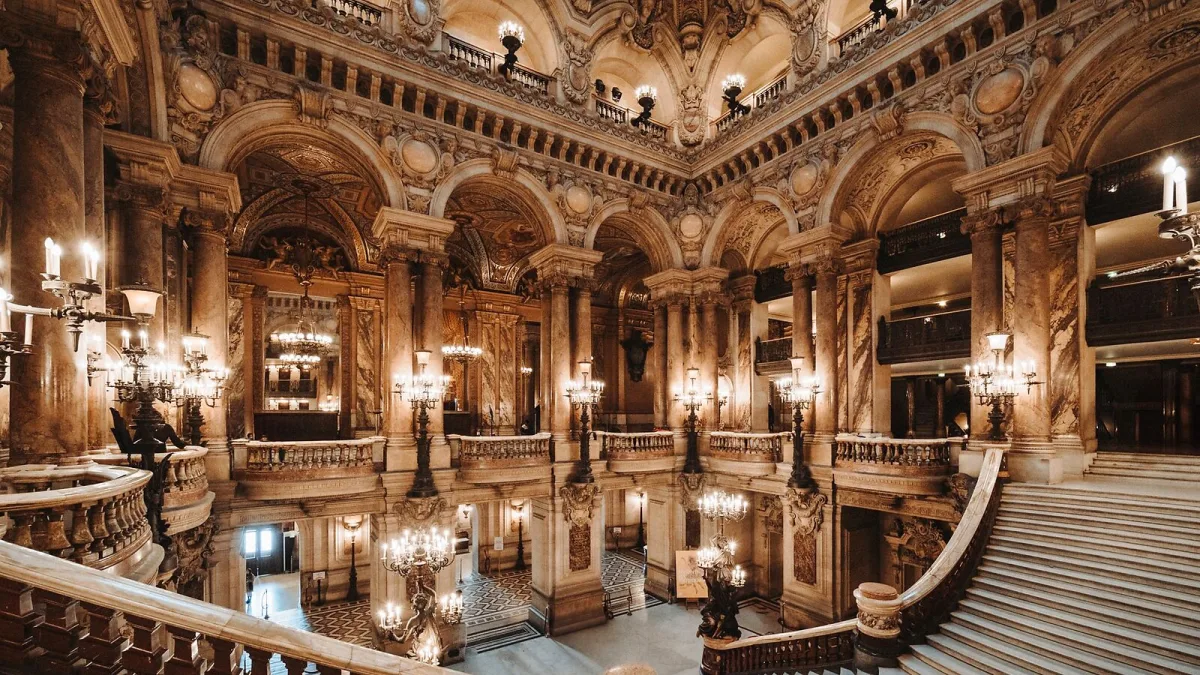
Baroque pop is sometimes described as a single, unified genre, but it contains several distinct approaches that are worth distinguishing. The unifying factor is the application of classical orchestration to pop song structures. Within that framework, artists pursued different emphases — some focused on the harpsichord as the defining instrument, others on string arrangements, others on compositional complexity. Here are the main approaches.
Harpsichord-Centred Baroque Pop
The most overtly classical approach uses the harpsichord as a primary or lead instrument rather than as orchestral colour. The Left Banke are the defining example: on "Walk Away Renée" and "Pretty Ballerina", the harpsichord carries the melody and defines the harmonic character of the arrangement. This approach makes the classical reference most explicit and was the most literally baroque in its instrumentation. Procol Harum's "A Whiter Shade of Pale" is a related example — here the organ mimics the character of baroque keyboard playing.
Orchestral String Pop
A second and more commercially prevalent approach used string sections and full orchestral arrangements within pop song structures. George Martin's work for The Beatles — "Eleanor Rigby", "Yesterday", "She's Leaving Home" — is the defining example. Scott Walker's solo albums, arranged by Wally Stott, belong to this strand. The emphasis is on orchestral richness and compositional sophistication rather than the use of period instruments. This approach produces a broader, more varied sonic palette than the harpsichord-centred variant.
Chamber Pop and Later Developments
The term chamber pop is often used for artists from the 1990s onwards who apply the same principles — orchestral instruments within indie or folk-influenced pop — without the direct 1960s reference. Belle and Sebastian, The Divine Comedy and Sufjan Stevens work in this tradition. The compositional approach is the same as the original baroque pop moment but the cultural context, production aesthetics and lyrical concerns differ. Neo-baroque and orchestral indie are other terms used for broadly similar approaches.
The Psychedelic Overlap
A significant subset of recordings in this genre also engages with psychedelia. Love's "Forever Changes", Brian Wilson's Smile sessions and the Zombies' Odessey and Oracle all contain psychedelic elements alongside their baroque pop arrangements. In these cases, the orchestral complexity serves the hallucinatory or visionary ambition of the lyrics and concept, rather than simply providing orchestral colour. For the albums in full, see our albums guide.


Comments