


Baroque Pop article
A Beginner's Guide to Baroque Pop
When 1960s pop ambition met classical orchestration, baroque pop emerged. Here is a guide to what it is, where it came from, and how to hear it.
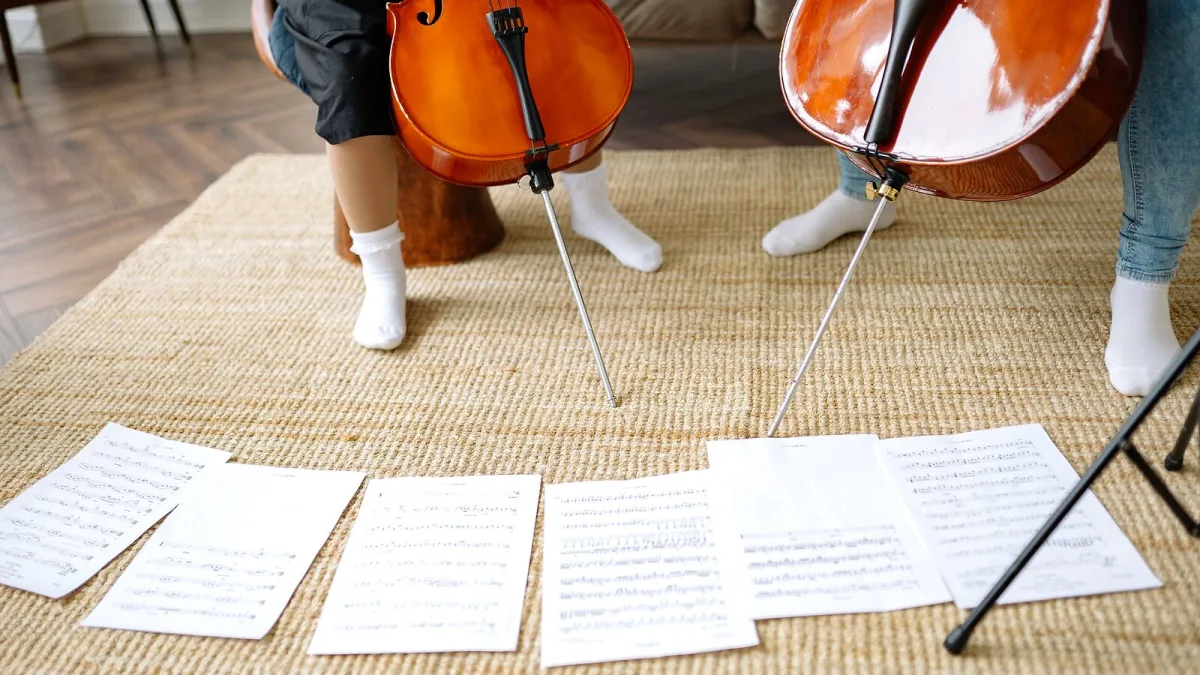
Baroque pop is the genre that emerged when the studio ambitions of mid-1960s rock and pop met the tools of classical composition. Harpsichords, string quartets, orchestral counterpoint and formal compositional structures from the baroque period were layered onto — or woven through — the verse-chorus song structures of contemporary pop. The results were often lush, complex and emotionally vivid in ways that straightforward rock could not achieve. Baroque pop remains a touchstone for any music that uses classical orchestration within a pop framework.
Where the Sound Came From
The Beach Boys' "Pet Sounds" (1966) and The Beatles' work with producer George Martin — particularly "Eleanor Rigby" and the "Revolver" album — are the most widely cited starting points. Brian Wilson's dense vocal arrangements and Martin's string writing established that pop music could use classical techniques without losing its popular appeal. The Left Banke, a New York group, pushed the harpsichord into the centre of the mix on "Walk Away Renée" (1966). Procol Harum's "A Whiter Shade of Pale" (1967) built on a Bach cantata. The baroque pop sound became a recognisable current in late-1960s rock almost simultaneously on both sides of the Atlantic.
How the Genre Sounds
The defining characteristics are orchestral arrangement — strings, brass, woodwind and harpsichord — used alongside or instead of rock instrumentation; complex vocal harmonies; and compositional ambition that goes beyond the standard verse-chorus-verse structure. The emotional register tends toward melancholy, romanticism or grandeur. Lyrics are often literary. The production values are high: this is a studio genre, shaped by producers and arrangers as much as by its songwriters.
The Genre's Reach
Beyond the 1960s originals, the style has been a persistent influence. Nick Drake, Scott Walker and The Zombies extended the approach into the early 1970s. A revival in the 1990s and 2000s produced artists like The Divine Comedy, Belle and Sebastian, Sufjan Stevens and Arcade Fire — all of whom used orchestral elements within pop frameworks in ways that trace back to the original baroque pop moment. For a guide to the artists, see our artists guide. For the history in full, see our history article.



Comments