


Baroque Pop article
Baroque Pop for Newcomers: Where to Start
Baroque pop rewards patient listeners, but it helps to know where to begin. This guide takes you from the most accessible recordings through to deeper listening.
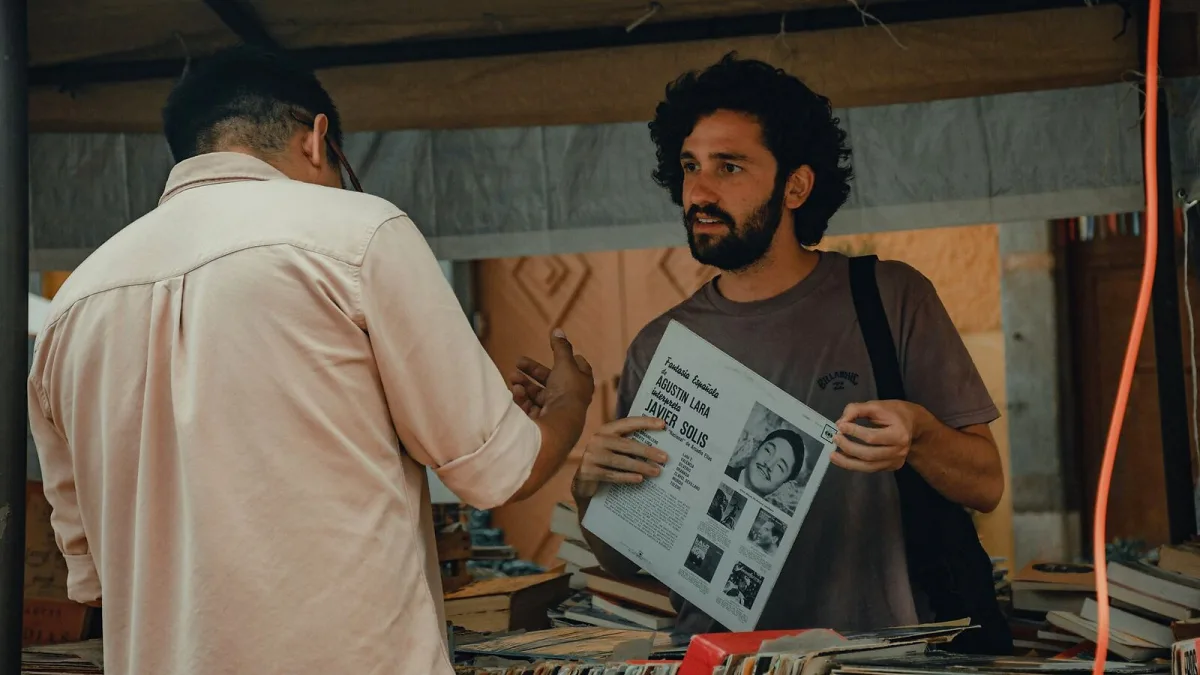
Baroque pop rewards patient listeners, but it helps to know where to start. The genre spans the mid-1960s to the present and includes some of the most carefully made pop recordings ever released. Below is a practical sequence for new listeners, with context on what to expect from each stage.
Start With the Most Accessible Recordings
The best entry points are recordings that are already familiar to most listeners. "A Whiter Shade of Pale" by Procol Harum (1967) is the most widely heard baroque pop recording and a clear introduction to the harpsichord-driven approach. "God Only Knows" by The Beach Boys is equally well known and illustrates how orchestration can serve a deeply intimate lyric. Both are on streaming platforms and require no prior knowledge of the genre.
Move to the Albums
After the singles, the best move is to listen to a complete album. Pet Sounds by The Beach Boys (1966) is the most cohesive baroque pop album and rewards close listening across its full running time. The Zombies' Odessey and Oracle (1968) is equally important and slightly more adventurous in its use of orchestral colour. Both are short albums — under forty minutes — and ideal for a single sitting. Our albums guide has more detail on these and related records.
Explore the Artists
Once you have the albums, follow the artists. The Left Banke's catalogue is small and immediately distinctive — their use of the harpsichord as a lead instrument is unlike anything else. Scott Walker's solo albums from 1967 to 1970 are among the most ambitious orchestral pop recordings of the era. Nick Drake's first two albums, Five Leaves Left and Bryter Layte, sit at the edge of the genre and reward listeners who want something quieter. For a full overview of who to follow, see our artists guide.
Later Listening
After the 1960s core, the 1990s and 2000s revival is worth exploring. Belle and Sebastian's If You're Feeling Sinister (1996) brought the baroque pop approach to a new generation. Sufjan Stevens' Illinois (2005) uses similar principles on a much larger scale. Andrew Bird is a consistent contemporary practitioner. These later artists often work under the term chamber pop rather than citing the original genre directly, but the connection is clear to anyone who has heard the earlier recordings.





Comments