


Rocksteady article
The History of Rocksteady
Two years, two rival studios and one massive shift in Jamaican music. Here's the no-nonsense history of how rocksteady took ska's crown and handed it straight to reggae.
Two years. That's roughly all rocksteady got as the dominant sound coming out of Kingston, and yet it changed Jamaican music permanently. No filler here — this is the real timeline of how a slower, bass-heavy style took over from ska in 1966, then handed the baton to reggae before the decade was even out.
1966: ska runs out of road
By the mid-1960s, ska had been Jamaica's sound for years — fast, horn-driven, built for constant dancing. But musicians and producers were pushing toward something new: rocksteady. Slowing the tempo down and trimming the horn section left more room for the bass, the drums and the singers out front. It wasn't purely an artistic decision, either: a smaller band was cheaper to book into a studio, and rocksteady's gentler groove suited Kingston's heat far better than ska's non-stop pace ever did.
That shift is the whole story in a sentence, but nobody agrees on exactly which record started it. Alton Ellis's "Rock Steady" is usually credited with giving the new style its name, and it's a fair claim — but Hopeton Lewis's "Take It Easy," Derrick Morgan's "Tougher Than Tough" and Roy Shirley's "Hold Them" all get mentioned by people who were there. I'd rather be straight about that uncertainty than hand you a made-up "first record" as gospel.
The studios that built it
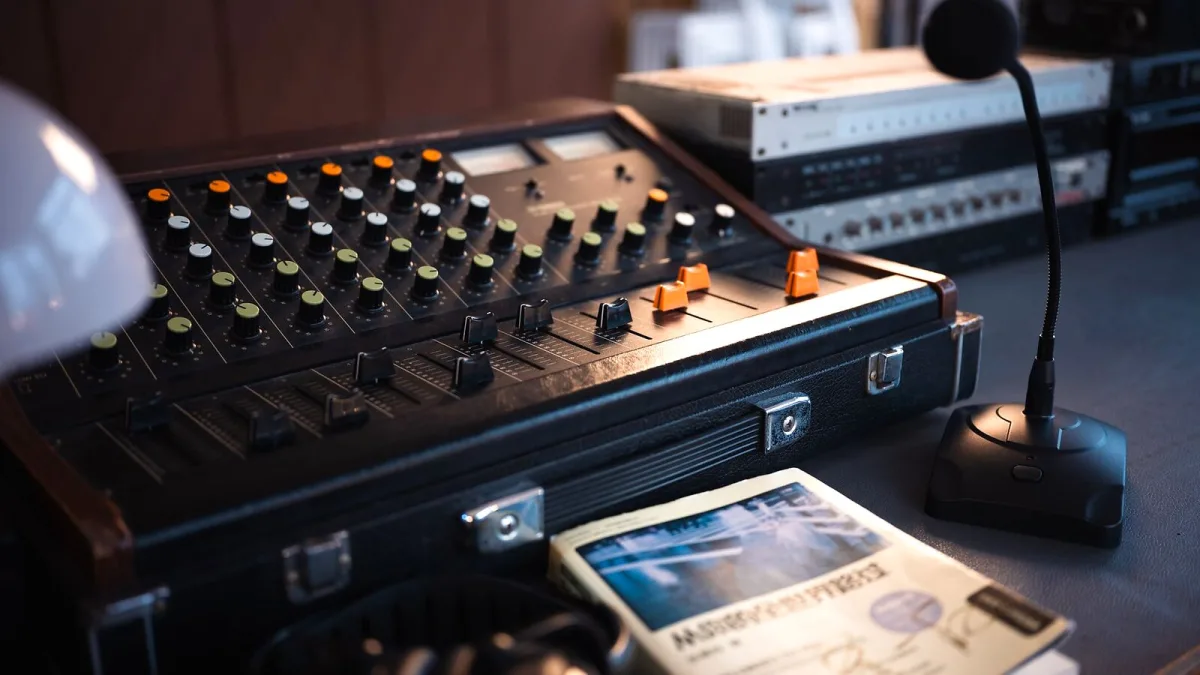
Rocksteady wasn't one band's achievement. It was built session by session, mostly in two Kingston studios run by producers who understood exactly what they wanted from the new sound.
- Studio One, run by Clement "Coxsone" Dodd, cut sides by Alton Ellis, Delroy Wilson, The Heptones and the young Wailers, with Jackie Mittoo directing much of the music from behind the keys.
- Treasure Isle, Duke Reid's operation, became the home of harmony groups such as The Paragons and The Techniques, and of Phyllis Dillon, one of the era's standout female voices.
- Randy's and Federal Records also kept the tape rolling through the same period, even if they get talked about less.
Guitarist Lynn Taitt and saxophonist Tommy McCook worked across several of these camps, alongside keyboard player and arranger Gladstone Anderson, which is one reason the records share a family sound even when the label on the single changes. Our full rundown of rocksteady artists to know goes deeper into who did what.
None of these were rich operations. Sessions were quick, budgets were tight, and a producer might cut half a dozen singles in an afternoon with the same house band backing a different singer each time. That factory pace is exactly why so much of the era's best work sits on singles rather than albums — there simply wasn't the time or money to think in album terms yet.
What actually changed in the music
None of this worked without a genuine change in sound, and it's this change that defines rocksteady more than any single record does. The tempo dropped. The bass stopped just holding the bottom end and started playing tunes of its own. Guitar and piano chords got short and clipped, landing on the offbeat — a technique known as the "skank." Drums pulled right back, often to little more than a rimshot. And the vocals leaned hard into American soul and doo-wop, favouring close harmony trios over ska's looser group singing. If you want the full breakdown of that sound with a side-by-side comparison to ska and reggae, that's covered properly in our beginner's guide.
1968: the handover to reggae
Rocksteady didn't die so much as keep evolving until people started calling it something else. Producers kept pushing the rhythm section harder — heavier bass, more organ, more drums, more studio trickery — and by around 1968 that heavier, more percussive sound was being called reggae. The join is genuinely blurry. Historians still argue about exactly where late rocksteady ends and early reggae begins, and honestly, drawing a hard line between the two is more trouble than it's worth.
What isn't in doubt is rocksteady's influence. That vocal-harmony sound fed straight into lovers rock a decade later, and its skeleton — bass and drums up front, guitar on the offbeat — is still reggae's foundation today. Britain got hold of a lot of this material too, through Trojan Records' reissues and compilations, which is a big part of why singles cut in Kingston studio sessions ended up shaping music scenes thousands of miles away. Our piece on rocksteady's different strands picks up that story of what it influenced next.
The bottom line
Rocksteady ran for roughly two years, from 1966 to 1968, but it did the heavy lifting of turning ska's horn-led party music into the bass-and-groove sound that reggae would run with for decades. It happened in a handful of Kingston studios, driven by producers, arrangers and singers who were mostly just trying to make good records — and ended up redrawing the map of Jamaican music in the process.


Comments