


Rocksteady article
Rocksteady Subgenres, Explained
Two years wasn't long enough for an official family tree, but real rocksteady subgenres still emerge once you know what to listen for. Here's the honest map.
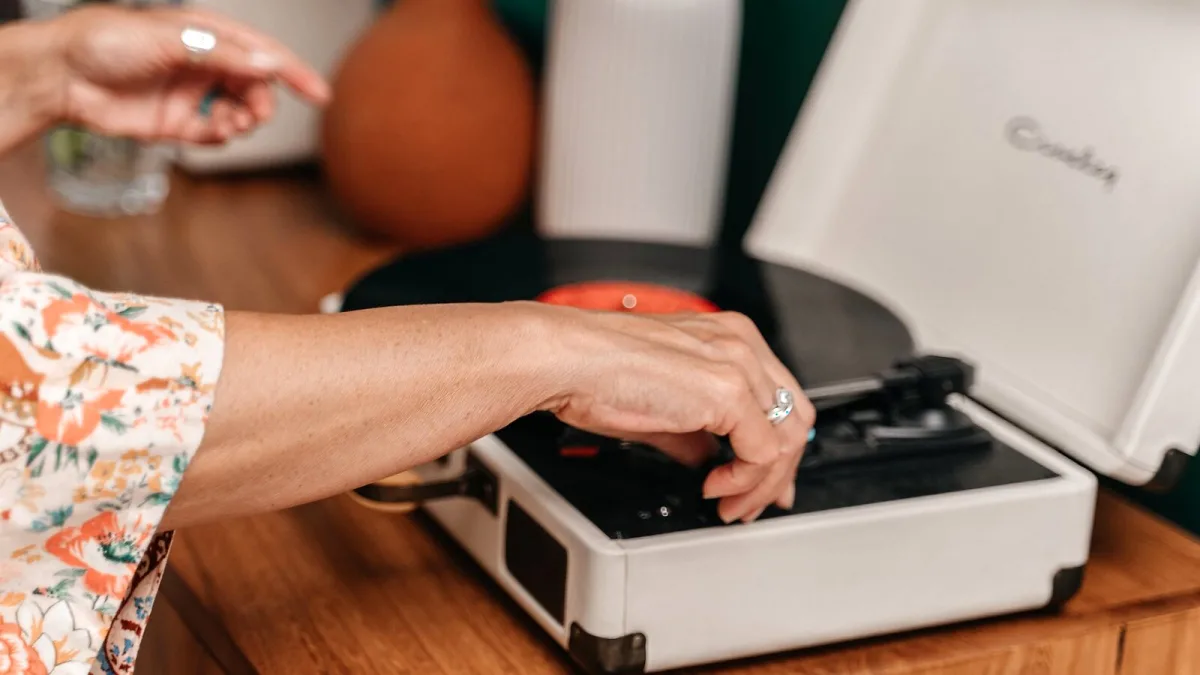
Two years isn't much time to grow a family tree of subgenres, and I'll be upfront about that from the start. But squeeze rocksteady's short catalogue and real, audible differences fall out of it — different vocal approaches, different studio habits, different moods. Here's how rocksteady subgenres actually break down in practice, and where they led once the era ended.
A quick word on the word "subgenres"
Reggae has a proper family tree: roots, dub, lovers rock, dancehall, all with their own names and rules. Rocksteady doesn't have anything that formal, because its whole run lasted from around 1966 to 1968. What you'll find instead are loose, overlapping rocksteady subgenres that collectors and historians talk about — useful ways of sorting the catalogue rather than official categories with hard borders. Treat what follows as a map, not a rulebook.
Vocal-harmony rocksteady
This is the sound most people picture: a trio singing in close harmony over a slow, bass-led groove, drawing heavily on American soul and doo-wop phrasing. The Paragons, The Heptones and The Techniques built their reputations here, recording mainly for Treasure Isle and Studio One. If this is the strand that grabs you, our guide to the best rocksteady artists to know gives you the full cast list.
Solo, soul-leaning rocksteady
Alongside the trios sat singers working alone, often leaning even harder into American soul phrasing — Ken Boothe and Alton Ellis both recorded plenty of solo sides that sit closer to soul balladry than group harmony. Of all the rocksteady subgenres here, this strand arguably points most directly toward reggae's more varied vocal styles a couple of years later.
The women who shaped a strand of their own
Phyllis Dillon's run of recordings for Treasure Isle, "Don't Stay Away" chief among them, stands apart enough to count as its own thread — a strong, distinct female voice in a catalogue that's otherwise dominated by male singers and vocal trios. Of all the rocksteady subgenres discussed here, it's the one that deserves a lot more attention than it usually gets in genre write-ups.
Transitional cuts: ska bleeding into rocksteady
Not every record flips a switch overnight. Plenty of singles from 1966 sit right on the join, with ska's horn-forward energy still audible under a newly slowed-down rhythm. Historians disagree about exactly where to draw the line, and honestly, that fuzziness is part of the story — genre labels got applied afterwards, not by the musicians cutting the records at the time.
Transitional cuts: rocksteady bleeding into reggae
The same blurriness happens again at the other end. By around 1968, producers were pushing the bass and drums even further forward and bringing in more organ and studio experimentation, and the resulting records get called early reggae almost as often as they get called rocksteady. Our history of rocksteady walks through that handover properly, year by year.
A quick way to tell them apart
You don't need discography knowledge to tell these rocksteady subgenres apart. A few quick tells:
- Three voices trading harmony lines, tight and rehearsed? That's the vocal-harmony strand.
- One singer, more melisma, a slightly bigger emotional swing? That's the solo, soul-leaning side.
- A confident, distinctive female lead with Treasure Isle's polished production behind her? Almost certainly Phyllis Dillon's corner of the catalogue.
- Horns still doing a lot of the work under a slower beat? You're probably hearing one of the ska-to-rocksteady transitional cuts.
What grew out of it afterwards
Rocksteady's influence didn't stop when the era did. Its close-harmony, romantic side fed fairly directly into lovers rock a decade later, and its rhythm-section-first approach became the backbone of reggae for years afterward. Even Britain's horn-driven 2 Tone scene, a decade on, owes a debt to the same Jamaican studio lineage. None of these later styles are "rocksteady" themselves, but you can hear the DNA clearly if you know what to listen for — which is exactly what our beginner's guide and our roundup of the best rocksteady songs both help you train your ear for.
Bottom line
Rocksteady subgenres were never a formal family tree, and it's far from a single flat sound either. Vocal-harmony trios, soul-leaning solo singers, Phyllis Dillon's distinct thread, and the fuzzy edges either side where ska and reggae bleed in — that's the real, honest map of rocksteady's subgenres, packed into an impossibly short window.


Comments