


Rocksteady article
Essential Rocksteady Albums Explained
Looking for a classic rocksteady album? Here's the honest answer: it's mostly a singles genre, and these are the compilations that genuinely count as essential listening instead.
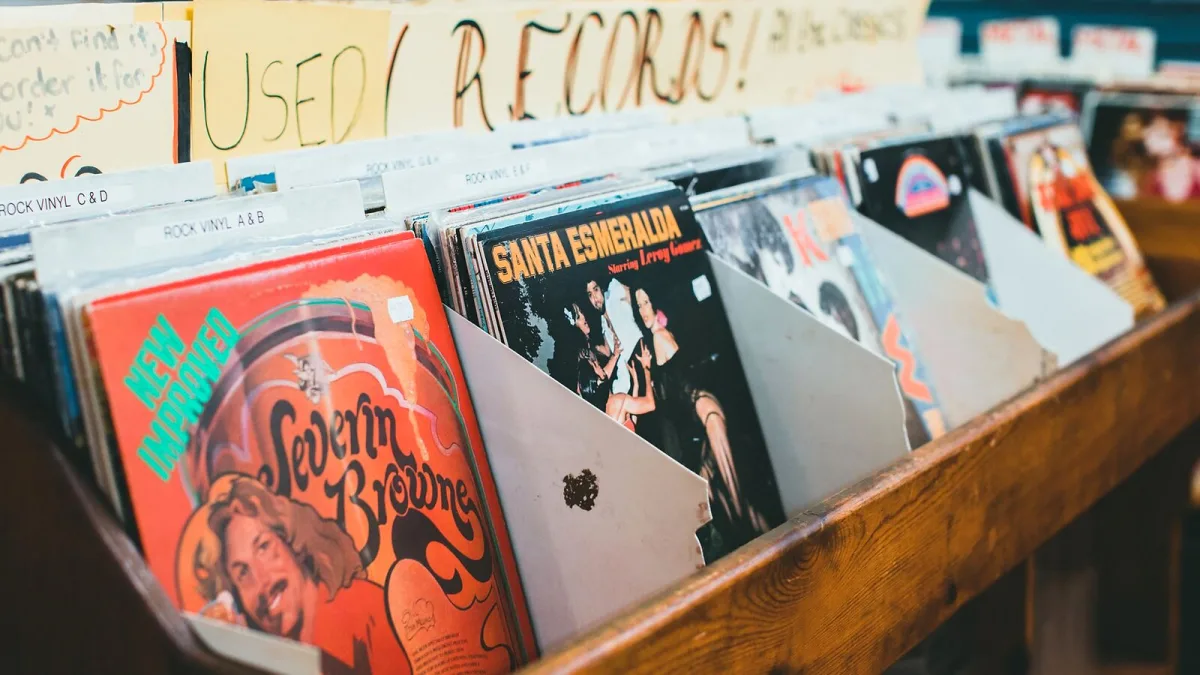
Here's the twist nobody warns you about before you go looking for the "best rocksteady albums": there really aren't many. This was a singles scene through and through, cut fast in Kingston studios and pressed onto 7-inch records, not planned out as cohesive LPs. So instead of a fake top-ten of albums that barely exist, let's talk about the compilations and catalogues that actually work as your way in — because they're the real "essential albums" of this genre.
Why rocksteady albums barely exist
Rocksteady's whole run lasted roughly two years, 1966 to 1968, and producers were working single by single, not planning long-players. A house band could cut half a dozen songs with different singers in one afternoon. That's brilliant for building a rich, deep catalogue of singles — brilliant for TikTok-era sampling too, frankly, since the hooks are short and instant — but it's a genre that resists the traditional album format almost by design.
The Trojan Story: the box set that gets it right
If one release genuinely earns "essential" status here, it's The Trojan Story, a box set retrospective tracing Jamaican music's development from mento and R&B through ska, rocksteady and early reggae. It doesn't isolate rocksteady in a bubble, and that's the point — hearing it sit between what came before and what came after is exactly how you understand why the style mattered.
Tighten Up: the series that took it to Britain
Trojan Records' budget-priced Tighten Up compilation series did more than almost anything else to get Jamaican rocksteady and early reggae singles in front of British record buyers in the late 1960s and early 1970s. These weren't single-artist albums either — they were curated mixtapes before the word existed, pulling together singles from multiple singers and producers onto one disc. If you want the modern equivalent of flicking through a killer festival lineup rather than one artist's setlist, this is it.
Studio One and Treasure Isle: the real catalogues
The genuinely "essential" listening here is organised by studio, not by artist album:
- Studio One, Clement "Coxsone" Dodd's operation, is the deepest well — Alton Ellis, Delroy Wilson, The Heptones and the young Wailers all cut rocksteady sides there.
- Treasure Isle, Duke Reid's label, is the home of The Paragons, The Techniques and Phyllis Dillon, and leans slightly more toward polished vocal harmony.
Reissue-focused labels such as Heartbeat Records and Soul Jazz Records have spent decades building compilations from exactly these two vaults, which is honestly the smartest way in if a single box set feels like too much commitment. For the people behind the songs on these labels, our guide to the best rocksteady artists to know fills in exactly who's who.
The closest thing to single-artist albums
If you'd still rather hear one voice at a time, the good news is reissue labels have done that legwork for you. Long after the original singles came out, labels compiling reggae and rocksteady archives have built artist-by-artist best-of collections — effectively after-the-fact rocksteady albums — by gathering a singer's scattered singles from Studio One or Treasure Isle onto one release. They're not "albums" in the sense of a band writing and sequencing a record together, but they're the closest thing going, and a genuinely painless way to focus on one voice, like Alton Ellis or Phyllis Dillon, without wading through an entire label's back catalogue at once.
So what should you actually press play on?
Skip the search for a mythical "classic rocksteady album" and think in playlists instead: a Studio One-focused set, a Treasure Isle-focused set, and a broader Trojan-style mix that shows the join to reggae. That's a far more honest picture of how this music was actually made and released than pretending it slots neatly into album-shaped boxes. Our roundup of the best rocksteady songs is built exactly that way — track by track, not album by album — and it's a genuinely good starting playlist if you'd rather just hit play than go shopping for box sets.
If you want the fuller picture of how this all fits together, our beginner's guide to rocksteady lays out the sound and the history in one place.
Bottom line
There's no shame in rocksteady albums being thin on the ground — it's a feature of how the genre was made, not a gap in the reissue market. Compilations like The Trojan Story and the Tighten Up series, plus catalogue-based collections from Studio One and Treasure Isle, are the genuine essential listening here. Go in expecting mixtapes, not concept albums, and you'll get far more out of it.



Comments