


Rocksteady roundup
The Best Rocksteady Songs Right Now
No chart hype, no trend chasing — just the rocksteady songs that actually defined the genre in its brief 1966-68 run, and still hold up today.
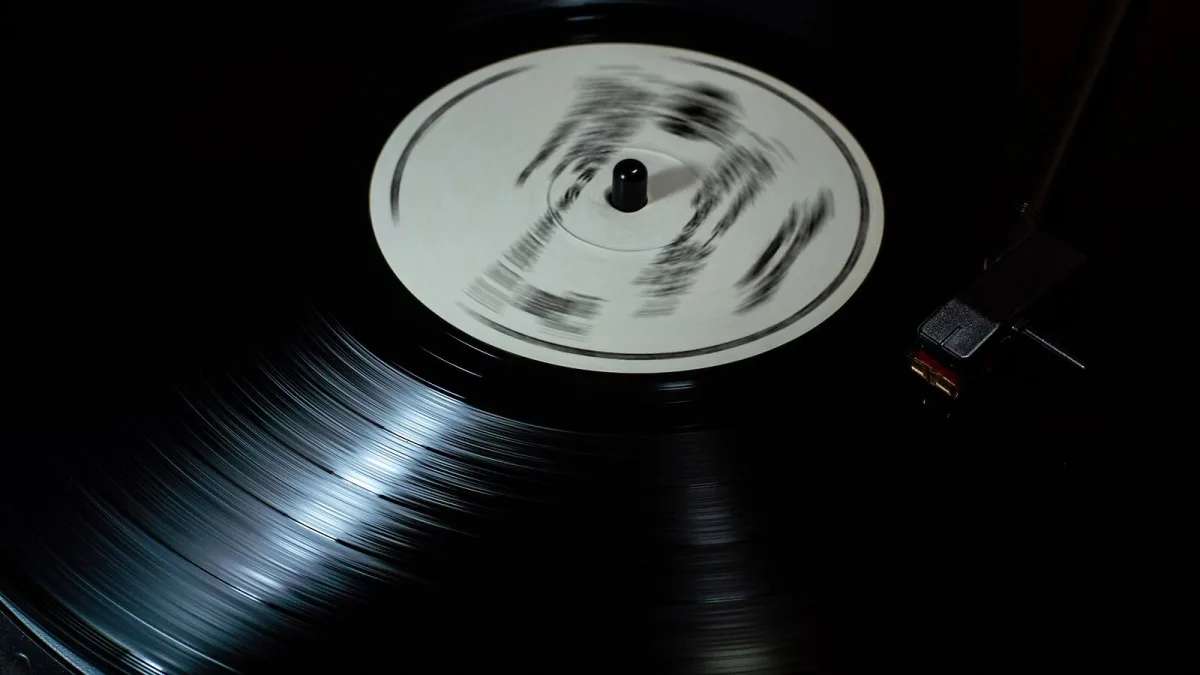
I'm not going to pretend there's a fresh crop of chart-troubling rocksteady songs dropping every Friday — this is a genre whose golden run happened between 1966 and 1968, full stop. What follows isn't a trend list. It's the honest, no-nonsense rundown of the tracks that still matter, the ones that defined the sound and the ones you actually need to hear, whichever decade you're listening in.
Where to start: the essentials
These are the songs that keep coming up, in liner notes, in DJ sets and in every serious conversation about this era:
| Song | Artist | Why it matters |
|---|---|---|
| "Rock Steady" | Alton Ellis | Widely credited with giving the whole genre its name |
| "Girl I've Got a Date" | Alton Ellis | Treated as one of the style's foundational recordings |
| "The Tide Is High" | The Paragons | Later a worldwide hit for Blondie, but the original is the real deal |
| "Queen Majesty" | The Techniques | A vocal-harmony showcase cut for Treasure Isle |
| "Fatty Fatty" | The Heptones | Studio One harmony at its sharpest |
| "Don't Stay Away" | Phyllis Dillon | A genuine classic from one of the era's best female voices |
| "Artibella" | Ken Boothe | Soul-drenched songwriting that points straight toward reggae |
No filler in that list — every one of those rocksteady songs earns its place, not just the famous ones. If you want the fuller story on the people behind them, our guide to the best rocksteady artists to know covers it properly.
The disputed "first" ones
Here's where it gets honest rather than tidy: nobody agrees which single record actually kicked the whole thing off. Hopeton Lewis's "Take It Easy," Derrick Morgan's "Tougher Than Tough" and Roy Shirley's "Hold Them" are all cited alongside Alton Ellis's "Rock Steady" as early contenders. I'd rather give you all four and let you make your own mind up than pretend there's a settled answer, because there genuinely isn't one. Whichever record you back, all four sit right at the point where ska's speed drops away and something new takes over — which is exactly what makes them worth hearing regardless of who technically got there first.
Deep cuts worth digging for
Once you've worked through the obvious rocksteady songs, there's plenty more to chase. Delroy Wilson's run of Studio One singles from this period is well worth a proper dig, and Slim Smith's harmony sides with The Uniques show a level of vocal sophistication a lot of other groups were still working toward. Neither gets namechecked as often as Alton Ellis or The Paragons, and both deserve better than that.
What ties these songs together
Play that table back to back and a pattern jumps out fast: a relaxed, unhurried tempo, a bassline you could hum along to, short offbeat guitar or piano chords, and close vocal harmonies leaning hard on American soul and doo-wop. None of these rocksteady songs are showy in a modern production sense — they're built on feel, timing and a genuinely great vocal blend, which is exactly why they've aged so well.
Where these songs actually live
Almost none of this was released as an album at the time — it's a singles genre through and through, cut fast across a handful of Kingston studios. Our piece on essential rocksteady albums explains exactly where to find these tracks properly collected today, mostly through compilations rather than original artist LPs.
New to all this?
If this is your first time hearing any of these names, don't overthink it. Start with "Girl I've Got a Date," then "The Tide Is High," then work outward from there. Our guide for newcomers lays out a proper listening path if you want more structure than "just press play."
Hearing them properly today
Most of this was cut for tiny Jamaican labels in the 1960s, so don't expect original pressings to be cheap or easy to find. Streaming has made it far simpler in practice — search any of the artist names above and you'll turn up the tracks quickly — but reissue compilations still give you the fullest picture, since a lot of B-sides and lesser-known singles never made it onto streaming platforms at all.
The bottom line
These rocksteady songs aren't "right now" in the algorithm sense — they're essential in the sense that actually matters, the kind of songs that defined a genre in about two years flat and are still the ones people reach for decades later. Start with the table above, take your time with the disputed "firsts," and you've got a genuinely solid grounding in one of Jamaican music's most important short chapters.



Comments