


Rocksteady article
A Beginner's Guide to Rocksteady
Slow bass, offbeat chords and close harmony singing: here's what rocksteady actually is, broken down step by step for anyone hearing the word for the first time.
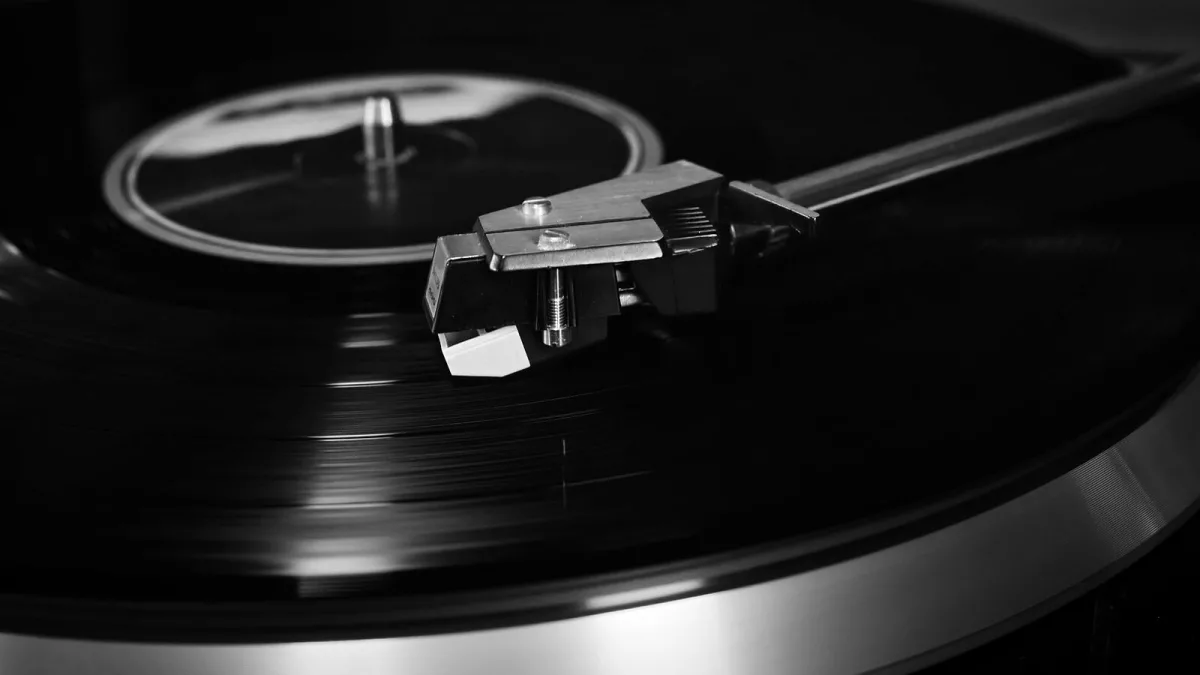
If you've heard a Jamaican record with a slow, swaying groove, a bassline you can practically hum, and a trio of voices singing in tight harmony, you've probably heard rocksteady. It's a short-lived style — really just a couple of years in the mid-1960s — but it sits at a hinge point in Jamaican music, and understanding it makes everything either side of it, ska and reggae, click into place. Let's take it step by step.
What is rocksteady?
Rocksteady is a Jamaican music style that emerged in Kingston around 1966, growing directly out of ska and leading, just as directly, into reggae. Where ska was fast, brassy and built for constant motion, this new style slowed everything down and handed the spotlight to the rhythm section and the singers. It's often described as the "missing link" between the two better-known genres, and that's a fair way to think of it, provided you remember it was a proper style in its own right, not just a slow patch between two faster ones. It also had practical roots: smaller studio bands were cheaper to book, and a gentler groove suited dancing through Kingston's heat rather better than ska's frantic pace did.
The name itself is generally traced to Alton Ellis's song "Rock Steady," though — and this is the kind of detail worth being upfront about — historians don't agree on which single recording came first. Hopeton Lewis's "Take It Easy," Derrick Morgan's "Tougher Than Tough" and Roy Shirley's "Hold Them" are all mentioned in the same breath. Treat the "first ever" question as an interesting debate rather than a settled fact.
The rocksteady sound: what to listen for
Once you know what to listen for, rocksteady is easy to spot. A few features tend to show up together:
- A relaxed, unhurried tempo — noticeably slower than ska, but still firmly danceable.
- A melodic, prominent bass — the bassline often carries almost as much melody as the vocal, which is unusual and is really the genre's calling card.
- The "skank" — short, clipped guitar or piano chords played on the offbeat, between the main beats rather than on them.
- Restrained drums — often just a light rimshot or side-stick backbeat, with none of ska's busy energy.
- Close vocal harmonies — usually a trio, drawing heavily on American soul and doo-wop phrasing.
- Smaller horn parts — present, but used for accents and fills rather than leading the arrangement the way they did in ska.
No single one of these makes a record rocksteady on its own — offbeat guitar chords, for instance, turn up in ska and reggae too. It's the combination, especially that slower tempo paired with a melodic bass, that gives the game away.
Rocksteady, ska and reggae compared
Because the three styles run into one another, a side-by-side comparison is genuinely the quickest way to tell them apart:
| Feature | Ska | Rocksteady | Reggae |
|---|---|---|---|
| Tempo | Fast | Slow, relaxed | Slow to mid-tempo |
| Horns | Prominent, leading | Present but restrained | Occasional accents |
| Bass role | Supportive | Melodic, central | Central, heavier |
| Drums | Busy, driving | Sparse, rimshot-led | The "one drop" pattern emerges |
| Vocals | Group and solo | Close soul-style harmony | Solo and group, more varied |
If you want the fuller story of how one style tipped into the next, our history of rocksteady covers the chronology properly.
Where it was made
This wasn't the work of one band; the style was built, record by record, in a handful of Kingston studios. Clement "Coxsone" Dodd's Studio One and Duke Reid's Treasure Isle were the two most important, each with its own house musicians, producers and roster of singers. Randy's and Federal Records also cut plenty of sides during the same window. Arrangers and players such as Jackie Mittoo on keys, guitarist Lynn Taitt and saxophonist Tommy McCook shaped the sound from session to session, even as the singers out front changed from one single to the next — which is a big part of why the genre is remembered as a studio sound as much as a list of star names.
Later, the British label Trojan Records licensed and repackaged huge amounts of this material for audiences outside Jamaica, doing more than almost anyone else to make sure the records travelled beyond Kingston.
For a proper look at the people who made those records, start with our guide to the best rocksteady artists to know.
A short genre with a long shadow
Rocksteady's classic run lasted roughly from 1966 to 1968, which is remarkably brief for a style with this much influence. As producers pushed the rhythm further — heavier bass and drums, more organ, more studio experimentation — the music was increasingly called reggae instead, though the line between "late rocksteady" and "early reggae" is genuinely blurry rather than a clean cut-off. Its vocal-harmony approach also fed directly into lovers rock, and its influence resurfaced decades later in the horn-driven 2 Tone scene. If you're curious how collectors and historians break its short catalogue down further, our piece on rocksteady subgenres, explained is the natural next stop.
Bottom line
Rocksteady is best understood as a bridge you can actually hear: slower and more spacious than ska, more song-focused than the dance-hall energy that came before it, and the direct ancestor of reggae's bass-and-drum foundation. Learn its handful of signature traits — that unhurried tempo, the melodic bass, the offbeat skank, the close harmonies — and you'll recognise it within a few bars every time. If you're ready to actually start listening, our guide for newcomers lays out exactly where to begin.



Comments