


Electro roundup
The Best Electro Artists to Know
From a 1982 New York block party to Detroit's cold machine funk — these are the electro artists who actually shaped the sound.
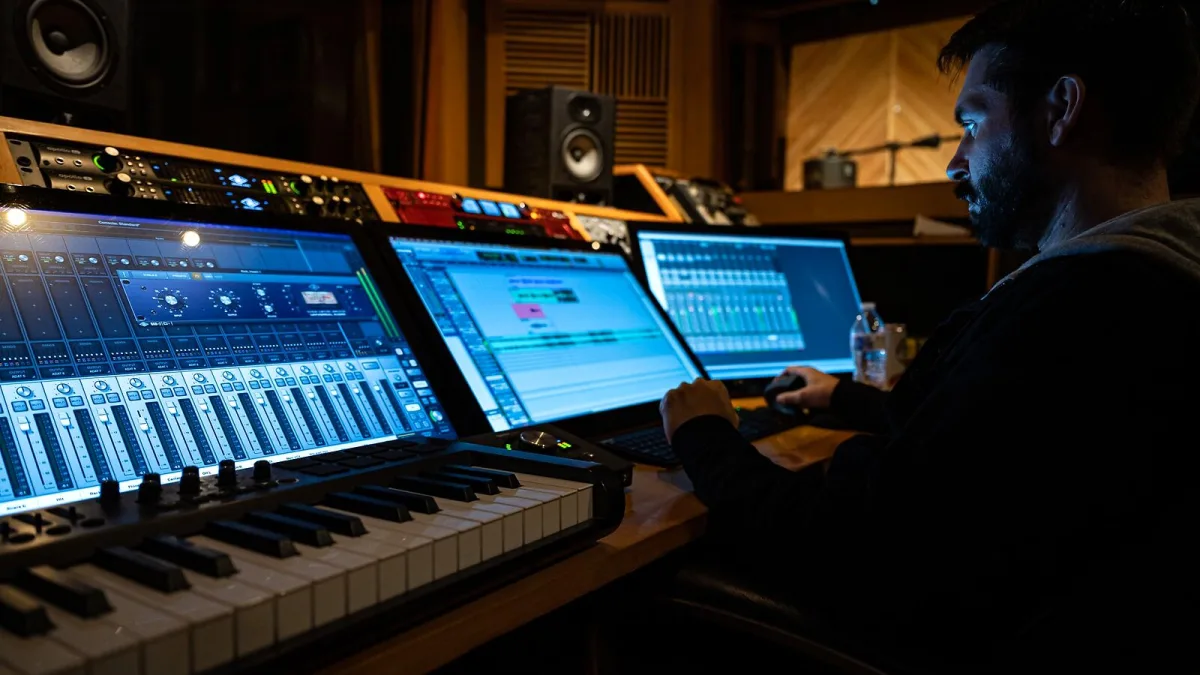
Electro was never really a genre with one figurehead — it's a story of small crews and solo producers working out the same idea in different cities at once. Here's a guide to the electro artists worth knowing, grouped by where they came from and what they actually changed.
What Actually Makes Someone an Electro Artist?
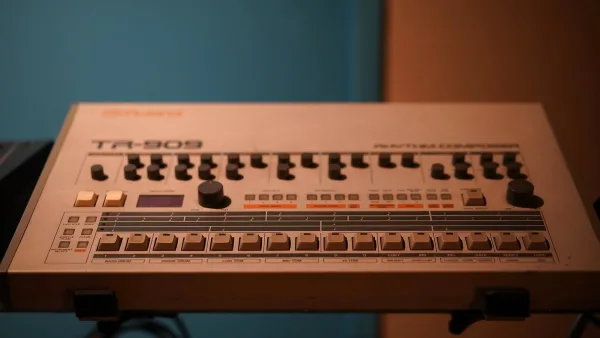
There's no membership card, but the electro artists who keep turning up in this story share a rough method: build the track from a programmed drum machine rather than a live kit, keep the bassline short and synthesised, and often run a vocal through a vocoder rather than singing it straight. Judged by that method, a fairly small cluster of names did most of the genre-defining work.
The New York Originators
New York's early scene is where most of the genre's founding vocabulary got written down. A handful of names turn up again and again in that story:
- Afrika Bambaataa & the Soulsonic Force — their 1982 single "Planet Rock", produced with Arthur Baker, fused hip-hop's block-party energy with Kraftwerk's electronic textures and is widely treated as the genre's founding record.
- Newcleus — the group behind 1983's "Jam on It", one of the era's most recognisable and playful hits, built around a distinctive vocal "scratch" effect.
- Hashim — producer behind "Al-Naafiysh (The Soul)" (1983), a sparser, more hypnotic take on the same drum-machine template.
- Warp 9 — released "Nunk" (1982), an early example of the sound spreading beyond its first hit.
- Mantronix — producer Kurtis Mantronik's outfit sharpened the drum programming further on 1985's "Fresh Is the Word", folding in turntable scratching.
The Detroit Innovators
Detroit's electro artists took the same building blocks somewhere colder and more machine-driven, and their work has arguably had the longer-lasting influence:
- Juan Atkins — recording with Richard "3070" Davis as Cybotron, his 1983 track "Clear" is widely regarded as a direct bridge between electro and the techno sound Atkins went on to help define.
- Drexciya — the Detroit duo whose stripped-back electronics and aquatic science-fiction concept became one of the most influential threads of the genre's 1990s revival.
- Aux 88 — a Detroit act associated with a harder, club-focused strain of the sound through the 1990s and beyond.
- Dopplereffekt — known for precise, conceptual, science-fiction-flavoured productions in the same Detroit lineage.
- DJ Stingray — a Detroit-associated producer and DJ known for fast, technically demanding sets rooted in the same machine tradition.
The West Coast Voice
Not every important name came from New York or Detroit. Los Angeles-based Egyptian Lover built his own strand of the sound through the 1980s, with 1984's "Egypt, Egypt" standing as one of the period's most enduring records — heavy on the 808 and unmistakably his own.
Extending the Sound Into Europe
From the 1990s onward, European producers picked up the same drum-machine vocabulary and pushed it further into club and experimental territory. Anthony Rother is one of the more significant figures here, helping carry the genre's robotic, futurist character into a new region and decade.
The Miami Bass Exception
Miami bass grew directly out of electro in the mid-1980s, pushing the low end and tempo to extremes for car and club sound systems, and it went on to shape Southern hip-hop enormously. It's included here for completeness rather than as a named-artist list, though: reliable sourcing on specific individual pioneers behind the earliest Miami bass records is thinner than for the New York and Detroit scenes, so this guide sticks to what can be verified rather than guessing at names.
| Artist | Base | Known For |
|---|---|---|
| Afrika Bambaataa & the Soulsonic Force | New York | "Planet Rock" (1982) |
| Cybotron (Juan Atkins) | Detroit | "Clear" (1983); bridge to techno |
| Newcleus | New York | "Jam on It" (1983) |
| Egyptian Lover | Los Angeles | "Egypt, Egypt" (1984) |
| Drexciya | Detroit | 1990s conceptual revival |
How to Explore Further
Once a few of these names click, it's worth seeing how they fit into the bigger picture. The History of Electro lays out the chronology behind them, while Electro Subgenres, Explained shows how these different scenes actually diverged in sound. If you're just getting started, Electro for Newcomers: Where to Start is a gentler entry point.
The Bottom Line
What ties these electro artists together isn't a shared sound so much as a shared toolkit — a drum machine, a synthesizer and often a vocoder, pointed in wildly different directions depending on the city. Follow any one of these names for a while and you'll end up, eventually, hearing traces of all the others.




Comments