


Electro article
A Beginner's Guide to Electro
Robotic vocals, drum machines and a bassline built for a car boot — here's what electro actually is, where it came from, and which records to hear first.
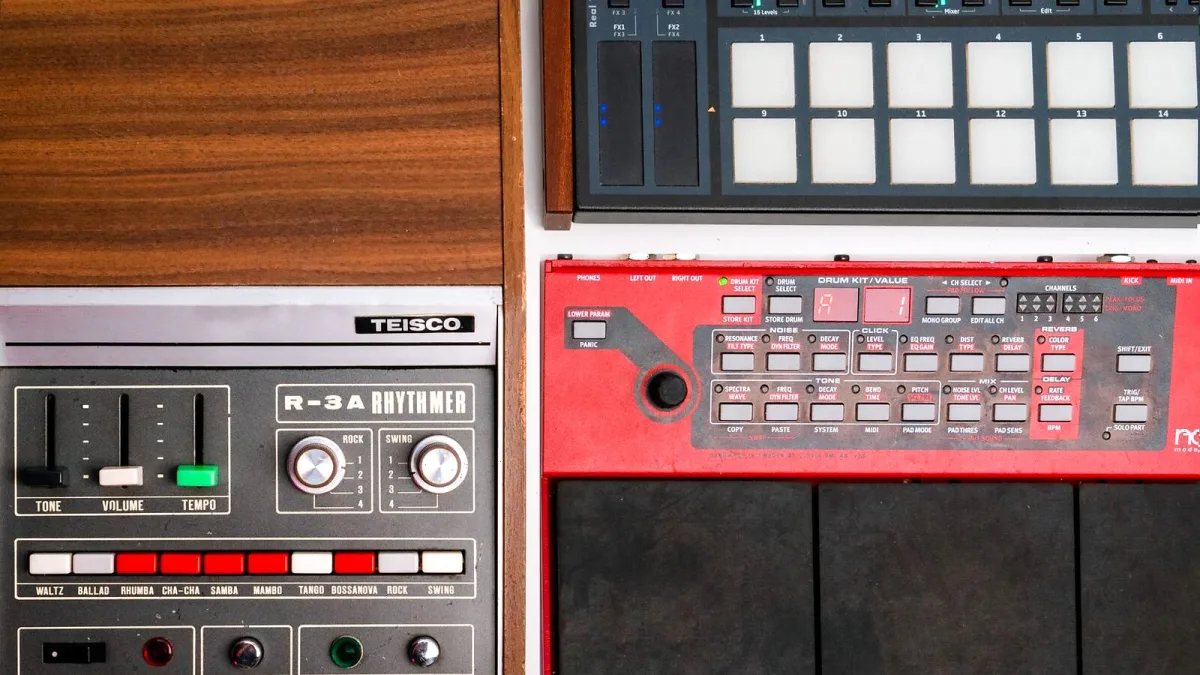
Ask ten people what electro actually sounds like and you'll get ten different answers — a robotic vocal, a booming drum machine, a bassline that rattles a car boot. All of them are right, because this genre has never sat still. This guide sets out what electro is, where it came from, and which records to reach for first if you want to understand it properly.
What Exactly Is Electro?
At its core, electro is dance music built almost entirely from machines: drum computers, synthesizers and the occasional vocoder standing in for a full band. It grew out of early-1980s funk and the first wave of hip-hop, but swapped the live groove of a rhythm section for something stiffer, sharper and unmistakably futuristic.
The result is music that prizes rhythm above melody. A typical track leans on a syncopated drum pattern, a short repeating bassline and a hook built from a synthesizer rather than a singer. That emphasis on programmed groove — over songwriting in the traditional sense — is what separates the style from most pop and rock of the same era.
Where the Sound Came From
None of this appeared from nowhere. It's a splice of three older strands: the syncopation and bass-heavy feel of American funk, the DJ and breakbeat culture of early hip-hop in New York, and the icy, sequenced electronics of German group Kraftwerk. Their vocoder vocals and mechanical rhythms gave the young genre much of its futurist imagery — robots, space travel, computers — long before those ideas were common in pop music. If you want the full story of how those threads came together, the history of electro traces it chronologically from the early 1980s onward.
The Machine Behind the Sound
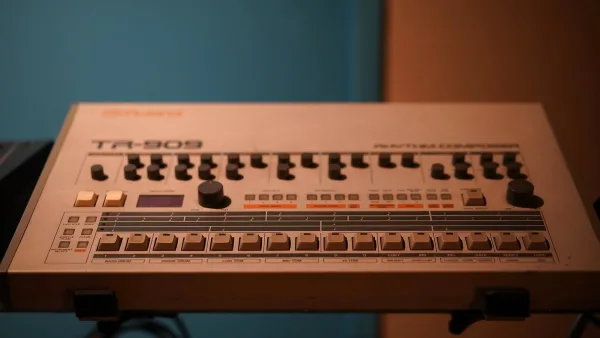
No single piece of gear defines a genre more cleanly than the Roland TR-808 defines this one. Released in 1980, the drum machine was a commercial flop at first, but its deep kick, sharp handclap and cowbell became the style's signature palette. Producers paired it with monophonic synthesizers for bass and lead lines, and often ran vocals through a vocoder — a device that splits speech into frequency bands and uses it to "play" another sound, creating that familiar robotic voice.
| Element | Typical role |
|---|---|
| Drum machine | Usually a TR-808 or similar, programmed rather than played live. |
| Synth bass | Short, repetitive and locked tightly to the kick drum. |
| Vocoder | Turns a spoken or sung phrase into the genre's trademark robotic voice. |
| Percussion fills | Cowbells, claps and rimshots add movement between the main hooks. |
The Different Faces of the Genre
Electro isn't one fixed sound; it splintered by city almost as soon as it began. New York's early records — Afrika Bambaataa & the Soulsonic Force's "Planet Rock" chief among them — were dancefloor-focused and closely tied to hip-hop. Detroit's version, pioneered by Juan Atkins and Richard Davis as Cybotron, turned colder and more mechanical, and fed directly into the birth of techno. Miami took the low end and ran with it, building the bass-heavy, party-oriented sound that became Miami bass. A full breakdown of each branch, including the 1990s revival and later European strands, is covered in electro subgenres, explained.
Where to Start Listening
If you're new to all this, a handful of records will tell you almost everything you need to know:
- Afrika Bambaataa & the Soulsonic Force – "Planet Rock" (1982)
- Cybotron – "Clear" (1983)
- Newcleus – "Jam on It" (1983)
- Hashim – "Al-Naafiysh (The Soul)" (1983)
For a fuller, step-by-step route through the genre — including what order to listen in and what to listen for — Electro for Newcomers: Where to Start is built exactly for that. Once you've got your bearings, Essential Electro Albums Explained and The Best Electro Artists to Know go a layer deeper.
A Few Common Mix-Ups
Because the label gets used loosely, it's worth clearing up two mix-ups early on. First, it isn't the same thing as "EDM" — a broad modern umbrella term for festival-friendly electronic music — even though both are built on synthesizers and drum machines. Second, it isn't simply an old name for techno, even though the two share DNA through Detroit. Techno generally locks into a steady four-on-the-floor kick, while this earlier style leans on broken, funk-derived syncopation. Knowing that one distinction will save you a lot of confused record-shop conversations.
Why It Still Matters
The genre's fingerprints are all over modern music, whether or not people call it by name. Its drum programming and bass philosophy fed straight into techno and Miami bass, its vocoder vocals turn up constantly in pop production, and its DIY approach — one person, a drum machine and a synth — still shapes how a lot of electronic music gets made today. Understanding electro isn't just trivia; it's understanding a good chunk of the machinery behind modern dance music.
It's a sound built on rhythm, repetition and a bit of robotic mischief — and once you've heard a handful of its founding records, you'll start spotting its influence everywhere you turn.




Comments