


Electro article
Essential Electro Albums Explained
Electro is a singles genre at heart, so its handful of essential electro albums matter all the more. Here's what to hear and why.
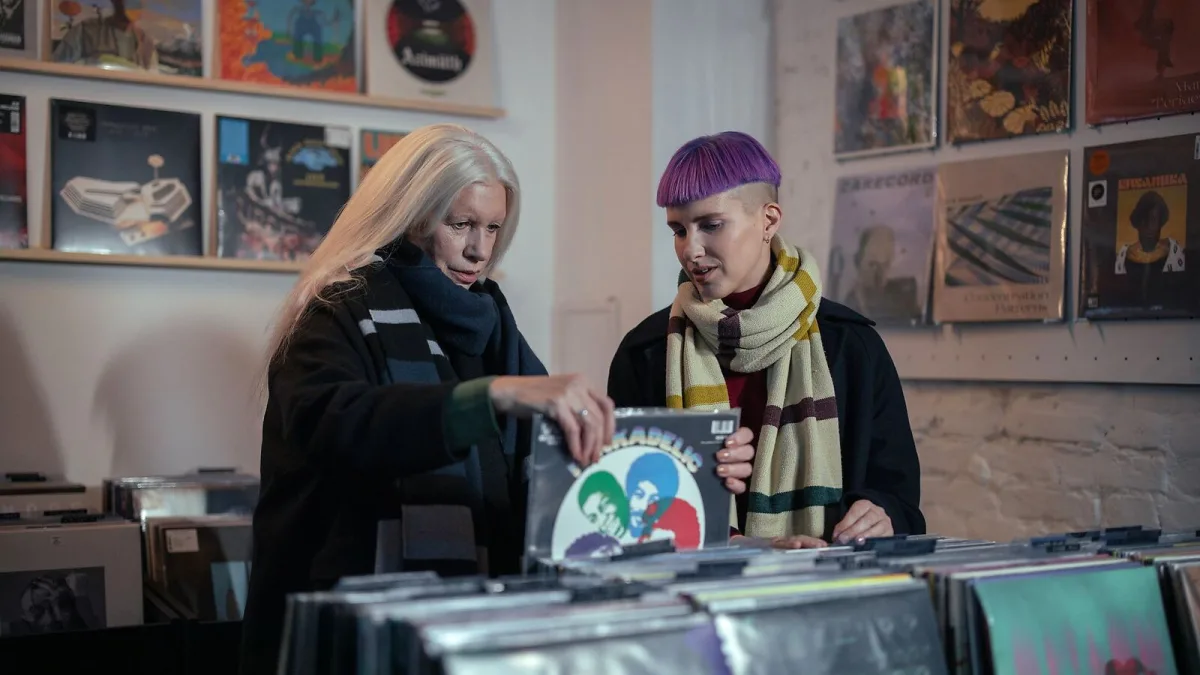
Electro is a singles genre at heart, built on 12-inch pressings meant for a DJ booth rather than a front-to-back listen. That's exactly why the handful of proper electro albums that do exist matter so much — each one is a rare case of an artist working with more room to breathe. Here's what they are and why they've earned their place.
Why Full Albums Are the Exception
Most of the genre's founding statements — "Planet Rock", "Clear", "Jam on It" — were singles first, built for club play and radio, not conceived as part of a wider record. Studio time and pressing budgets were tight, and the format that made sense commercially was the 12-inch, not the LP. That's worth keeping in mind before diving into electro albums: a shorter list here isn't a sign of a thin genre, just an honest reflection of how it was actually released.
The Blueprint: Kraftwerk's Computer World (1981)
Kraftwerk aren't an electro group in the narrow genre sense, but Computer World is the album most directly responsible for the palette electro artists reached for afterwards — vocoder vocals, sequenced synthesizers and a fascination with machines that felt genuinely new at the time. If you want to understand where the genre's futurist imagery came from, this is where it starts.
The Genre-Defining Full-Lengths
- Cybotron – Enter (1983). Juan Atkins and Richard Davis's debut gathered their early singles, including "Clear", into a genuine album statement — and it's widely seen as a direct bridge into the Detroit techno sound Atkins helped build afterwards.
- Newcleus – Jam On Revenge (1984). Built around the group's breakout hit "Jam on It", this is one of the few early-1980s New York electro records that holds together as a full listen rather than a single plus filler.
- Mantronix – debut album (1985). Kurtis Mantronik's first full-length pushed the drum programming further than most of what came before it, folding turntable scratching in alongside "Fresh Is the Word".
The West Coast Companion
Los Angeles-based Egyptian Lover's On the Nile (1984) sits slightly apart from the New York and Detroit story, built heavily around the Roland TR-808 and carrying his own, more explicitly party-focused take on the sound. It's a useful reminder that electro albums weren't only a coastal-corridor phenomenon.
The 1990s Deep Cut
Detroit's Drexciya didn't release much in album form during their most active years, working mostly through 12-inch EPs. The Quest (1997) gathers a run of that early material together and remains the most accessible way into their aquatic, science-fiction-flavoured strand of the genre's 1990s revival.
| Album | Artist | Year | Why It Matters |
|---|---|---|---|
| Computer World | Kraftwerk | 1981 | The sonic blueprint electro artists drew on |
| Enter | Cybotron | 1983 | Bridge between New York electro and Detroit techno |
| Jam On Revenge | Newcleus | 1984 | A rare full-length built around a genuine hit |
| On the Nile | Egyptian Lover | 1984 | The West Coast's own take on the sound |
| The Quest | Drexciya | 1997 | Compiles the duo's influential early EPs |
How to Start Collecting
You don't need to hunt down original vinyl to hear any of this — most of these electro albums are on the streaming services you already use, and reissue labels have kept a fair amount of the era's material in print. If you do want physical copies, be prepared for some of the scarcer early singles and compilations to sit at collector prices; starting with the albums above, which were built with reissue and wider distribution in mind, is the more affordable route in.
For the fuller picture of the artists behind these records, The Best Electro Artists to Know is the natural companion piece, and The History of Electro places each of these releases on a proper timeline.
The Bottom Line
Five records won't tell you everything about a genre built mostly on singles, but they'll tell you the important part: how the sound moved from Kraftwerk's machine-fixation, through New York's party energy, and into Detroit's colder, more conceptual territory. Start with Computer World and work forward from there.




Comments