


Funk Music roundup
The Best Funk Music Songs Right Now
These funk songs don't need a trending moment. Here are the tracks that have earned permanent rotation, and what makes each one work.
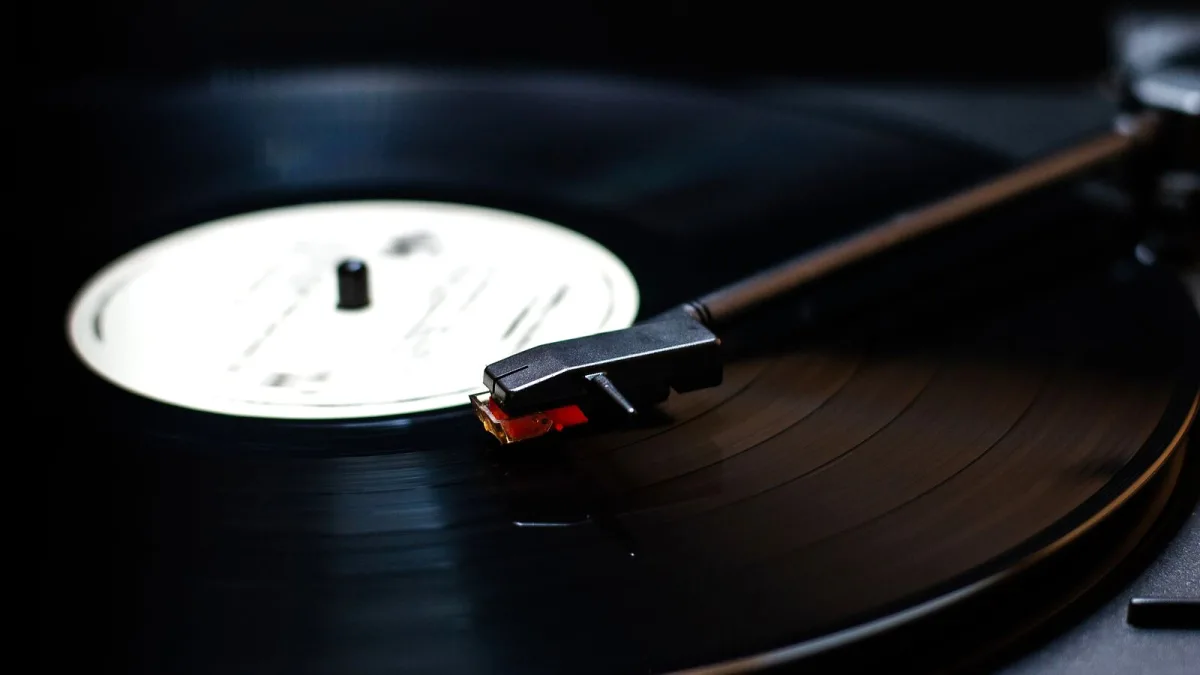
Forget the algorithm for a minute. Some funk songs don't need a "right now" moment because they never really left — they're still the records that fill a dance floor, still the ones a good DJ reaches for when a room needs waking up. These are the tracks that have earned permanent rotation, not just a trending slot, and they're as good an introduction to the genre as any history lesson.
The Foundational Cuts
Start here if you want to understand where the whole sound comes from. James Brown's "Papa's Got a Brand New Bag" (1965) is the record most historians point to as the genre's real beginning, followed by 1967's "Cold Sweat" — built almost entirely around a single chord, letting rhythm carry what melody usually would. By 1970's "Get Up (I Feel Like Being a) Sex Machine", the template was locked in for good: hard-locked bass and drums, minimal chord movement, vocals treated almost like another rhythm instrument.
The Party Starters
Some records exist purely to move a room, and these are the gold standard. The Meters' "Cissy Strut" (1969) does more with less than almost any funk song in the genre — a repeated keyboard line, a lean guitar part, bass and drums locked so tight there's barely a gap between them. Parliament's "Flash Light" (1977) and "Give Up the Funk (Tear the Roof off the Sucker)" (1976) go the opposite way, piling on horns, synth bass and George Clinton's showmanship until the whole thing feels enormous. Kool & the Gang's "Jungle Boogie" (1973) and the Ohio Players' "Fire" (1974) sit somewhere in between — lean grooves aimed squarely at commercial success, and both huge hits in their own right.
The Song-Craft Side
Not every great funk song is built purely for rhythm. Sly and the Family Stone's "Thank You (Falettinme Be Mice Elf Agin)" — from 1969's Stand! — proves a groove-heavy arrangement can still carry a genuine pop hook. Stevie Wonder's "Superstition" (1972) does the same trick from a different angle, wrapping a clavinet-driven riff around one of the most instantly recognisable melodies of the decade. Both tracks reward attention to the arrangement underneath the tune, not just the tune itself.
The Crossover Anthems
These are the funk songs that made it well beyond the genre's core audience. Earth, Wind & Fire's "Shining Star" (1975) turned horn-driven funk into a genuine pop smash. The Isley Brothers' "That Lady" (1973) folded funk guitar and rhythm into a slicker, radio-friendly package. Rick James's "Super Freak" (1981) carried the sound into the synth-heavy 1980s without losing its rhythmic bite. And Prince's "Kiss" (1986) proved funk's core principles — space, syncopation, restraint — could carry an entire hit single almost by themselves, with barely any instrumentation to hide behind.
Honourable Mentions
Trim any list of funk songs down to ten and you'll leave out records that deserve a place. The Brothers Johnson's "Stomp!" (1980) and Cameo's "Word Up!" (1986) both carry the groove into slicker, more synth-forward territory without losing the rhythmic discipline that defines the genre. Worth seeking out once the essentials above feel familiar.
Quick Reference: Where to Start
| Track | Artist | Year |
|---|---|---|
| Cold Sweat | James Brown | 1967 |
| Cissy Strut | The Meters | 1969 |
| Thank You (Falettinme Be Mice Elf Agin) | Sly and the Family Stone | 1969 |
| Jungle Boogie | Kool & the Gang | 1973 |
| That Lady | The Isley Brothers | 1973 |
| Fire | Ohio Players | 1974 |
| Shining Star | Earth, Wind & Fire | 1975 |
| Give Up the Funk (Tear the Roof off the Sucker) | Parliament | 1976 |
| Flash Light | Parliament | 1977 |
| Kiss | Prince | 1986 |
How to Actually Listen to These Funk Songs
Don't just let these tracks play in the background. On a second pass through any of them, ignore the vocals and hooks entirely, and follow only the bass against the kick drum — that's where the actual craft lives. Notice how much space each arrangement leaves; a good funk song is often defined as much by what the band chooses not to play as by what it does.
If you want the fuller story behind the artists on this list, our guide to the best funk music artists to know goes deeper into each name, and our roundup of essential funk albums is the natural next stop once individual funk songs aren't enough on their own.
The Bottom Line
Charts and "right now" playlists come and go, but these funk songs have already outlasted several decades' worth of trends, which is about as good a recommendation as a track can get. Put any one of them on, turn it up slightly louder than feels sensible, and see how long you can sit still.




Comments