


Funk Music article
Funk Music Subgenres, Explained
A no-nonsense breakdown of P-Funk, funk-rock, jazz-funk, boogie and more, and what genuinely separates one from another.
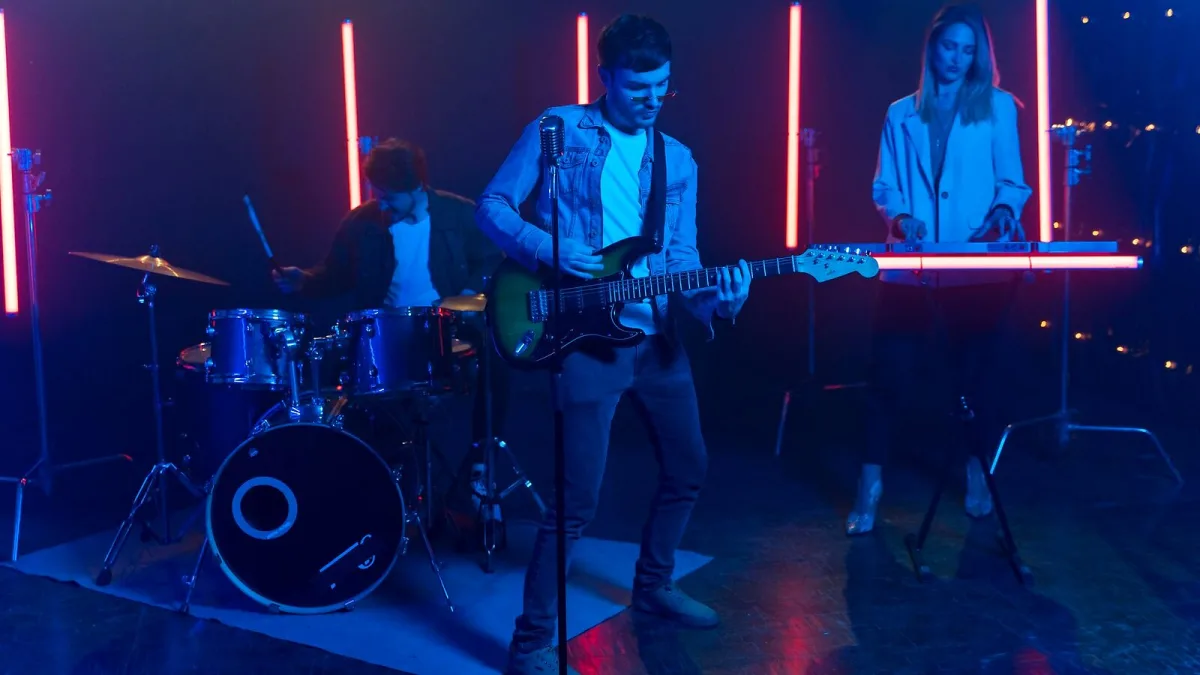
"Funk" is doing a lot of heavy lifting as a label. Say it and people picture James Brown, or maybe a lava lamp and a mothership, or a jazz club at midnight — and they'd all be right, because funk subgenres pull in genuinely different directions. Here's a straight, no-nonsense breakdown of how each one actually differs, so you stop lumping them together.
P-Funk: Theatre, Concept and Scale
P-Funk is George Clinton's world — Parliament and Funkadelic run as two sides of the same theatrical project. Expect huge horn sections, synthesisers, elaborate stage concepts, and records built around a sprawling cast of musicians rather than a tight core band. Parliament's mid-1970s singles, including "Give Up the Funk (Tear the Roof off the Sucker)" (1976) and "Flash Light" (1977), show the sound at full scale.
What sets this apart from other funk subgenres isn't the rhythm section underneath — that's still built on the same syncopated bass-and-drum lock as everything else on this list — it's the sheer ambition layered on top.
Funk-Rock: Heavier Guitars, Same Groove
Funk-rock takes that same rhythmic foundation and bolts on distorted, rock-derived guitar work. Funkadelic's Maggot Brain (1971) is the record most often cited here — extended, heavy guitar playing sitting directly on top of a tight, disciplined groove. The tension between the two elements is the whole appeal: rock's aggression riding a rhythm section built for dancing, not headbanging.
Jazz-Funk: Groove Meets Improvisation
Jazz-funk brings funk's rhythmic backbone together with jazz's harmonic depth and improvisational freedom. Where classic funk tends to sit on a simple vamp, jazz-funk musicians layer in more complex chords and instrumental soloing, without abandoning the groove that makes it recognisably funk in the first place. It's a natural fit for players who came up through jazz but wanted more rhythmic drive in their music.
Boogie: Funk Goes Electronic
Boogie emerged later, leaning further into electronic production, drum machines and synthesiser bass than the guitar-and-horn arrangements of classic funk. It kept funk's rhythmic sensibility but swapped out much of the live instrumentation for early studio technology, acting as a genuine bridge between 1970s funk and the electronic dance styles that followed.
How the Funk Subgenres Actually Compare
| Subgenre | Defining trait | Reference point |
|---|---|---|
| P-Funk | Theatrical scale, huge ensembles, concept records | Parliament-Funkadelic |
| Funk-rock | Distorted, extended guitar work over a funk rhythm | Funkadelic's Maggot Brain |
| Jazz-funk | Complex harmony and improvisation over a groove | Instrumental funk-jazz crossover acts |
| Boogie | Electronic production, drum machines, synth bass | Late 1970s/early 1980s studio funk |
Acid Jazz and G-Funk: The Second Generation
Two later offshoots deserve a mention on their own terms. Acid jazz grew out of the UK club scene in the late 1980s and early 1990s, mixing jazz-funk's instrumental sensibility with dance-floor production and hip-hop's sampling culture. Meanwhile G-funk took a different route entirely, emerging from West Coast hip-hop in the early-to-mid 1990s — producers built beats directly around funk basslines and synth melodies, most famously on Dr. Dre's 1992 album The Chronic. Neither counts as classic, band-based funk in the way P-Funk or funk-rock do, but both prove how far the genre's rhythmic template has travelled.
Where Funk's Fingerprints Show Up Elsewhere
Not everything with a funk feel counts as one of these categories outright. Disco borrowed funk's dance-floor focus and bass-driven rhythm but generally smooths it into a steadier, continuous beat. Neo-soul later reworked funk, soul and jazz techniques for a new generation of listeners. And hip-hop's earliest producers built beats directly from sampled funk drum breaks, meaning funk's rhythmic DNA runs through genres that never call themselves funk at all.
Which One Should You Start With?
If you want the purest version of the groove, start with straight, classic funk before branching into these funk subgenres — our beginner's guide to funk music covers that core sound properly. Once you've got a feel for it, P-Funk and funk-rock are the easiest on-ramps if you like drama and guitars, while jazz-funk rewards listeners who already enjoy improvisation. Our guide to the best funk artists is a solid next stop for matching names to each style.
The Bottom Line
None of these funk subgenres exist in a strict, policed box — plenty of records borrow from two or three at once. But knowing the rough boundaries makes it a lot easier to find more of what you actually like, instead of getting one Parliament record and assuming that's the whole genre.



Comments