


Bass with Amplifier roundup
The Best Bass with Amplifiers for the Money
Chasing a single 'best' bass amplifier is a fool's errand. Here's how to think in tiers instead, so your money goes exactly where it matters.
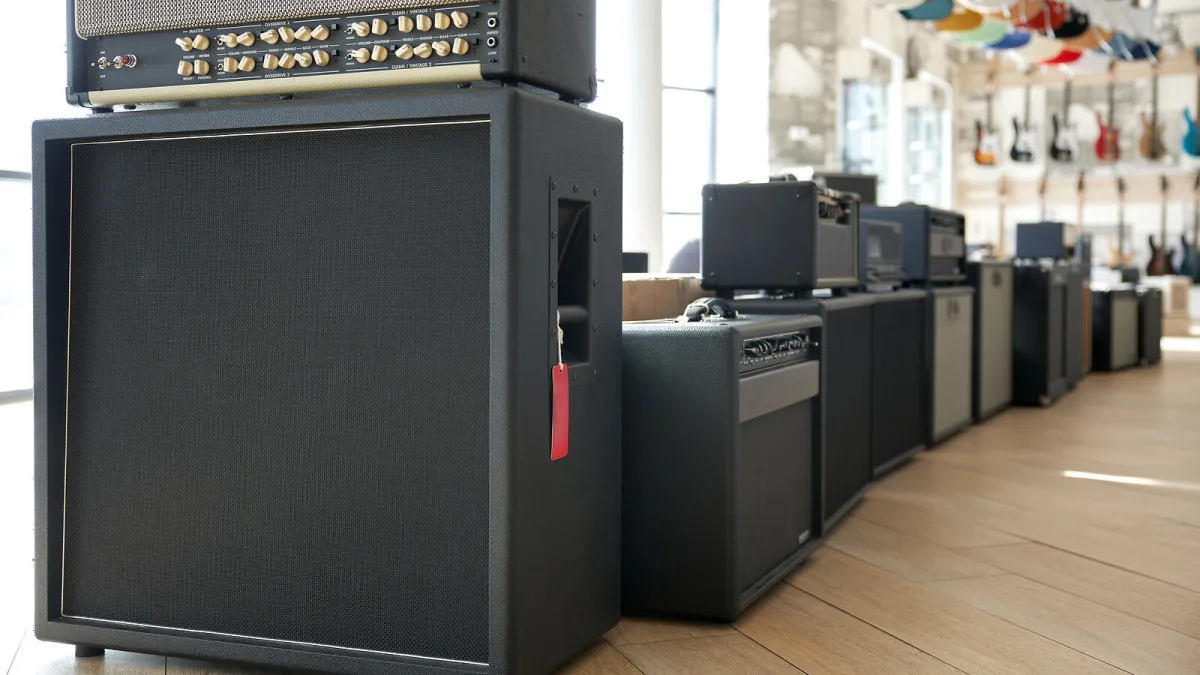
I'll be honest, most of my gear obsession lives in the crates rather than behind an amp head — but good low end is good low end, whichever side of the signal chain you're stood on. If you're hunting for a bass amplifier and want a sense of what suits which budget and playing situation, without wading through spec sheets, here's the friendly, no-jargon rundown by price tier and use case.
Think in tiers, not model numbers
Rather than chasing a specific "best" bass amplifier — which changes with every release cycle and isn't something anyone can honestly benchmark without a proper lab — it's far more useful to think in price and purpose tiers. Once you know which tier fits your life, narrowing down an actual model becomes easy.
- Entry-level practice tier: small combos, 10–50 watts, built for bedrooms and lessons.
- Mid-range rehearsal and small-gig tier: combos or entry heads in the 100–300 watt range.
- Gigging workhorse tier: heads and cabinets or larger combos, 300–500 watts and up.
- Boutique and specialist tier: tube amps, high-end preamps and studio-oriented rigs for players chasing a specific tone.
Entry-level: the practice tier
This is where nearly everyone starts, and there's no shame in staying here for years if that's all you need. A compact combo amplifier with 10 to 50 watts, a headphone output for quiet practice, and a couple of simple tone controls will do everything a learning bassist needs. Brands like Fender and Yamaha have long histories in this space, building amps that are unglamorous but genuinely reliable.
What matters most at this tier: a headphone jack, a low noise floor, and controls simple enough that you're not fighting the gear instead of learning the instrument.
Mid-range: rehearsal and small gigs
Step up here once you're playing with other people regularly. You're looking at combos or lighter heads in the 100–300 watt range, usually solid-state or Class D for the weight saving, paired with a 1×12 or 2×10 cabinet. This tier is also where a DI output starts earning its keep — handy the first time you're asked to feed a small PA at an open mic.
Brands worth knowing in this bracket include Ampeg's smaller combos, Markbass's lighter Class D offerings, and Hartke's aluminium-cone designs — each with a slightly different character, but all built for the same job of getting you through a rehearsal or a pub gig without drama.
Gigging workhorse: 300 watts and up
Once you're regularly playing venues with a drummer who doesn't hold back, this is the sensible tier. A separate head and cabinet setup — commonly a 4×10 or larger — gives you the headroom to stay clean at volume, plus the flexibility to add a second cabinet down the line if a bigger stage calls for it. Gallien-Krueger and Ashdown both have strong reputations here for compact, high-powered heads that don't demand a van of their own.
This is also where impedance matters enormously — always check your head's minimum rated load against whatever cabinet combination you're running, and use a proper speaker cable rather than an instrument lead.
Boutique and specialist tone
At the top end, you're paying for character as much as capability. Tube amps in the Ampeg SVT tradition remain the benchmark for classic rock and blues-driven low end, prized for warm compression that solid-state designs struggle to replicate exactly. Aguilar and Darkglass, meanwhile, have built strong reputations among players chasing a more modern, detailed or aggressively voiced tone, particularly for recording.
Whether this tier is worth it comes down entirely to how much your ear cares about the difference — plenty of professional players happily gig on mid-range solid-state gear and sound excellent doing it.
Matching the tier to your genre
| Genre | What tends to suit it |
|---|---|
| Motown, soul, jazz | Clean mid-range or boutique tier, prioritising even response |
| Classic rock, blues | Boutique tube tier, or a solid-state amp with built-in overdrive |
| Metal, hard rock | Gigging workhorse tier, strong upper-mid presence and headroom |
| Funk | Mid-range to gigging tier, fast transient response |
| Reggae, dub | Gigging workhorse or larger cabinet setups for deep low end |
Don't skip the fundamentals for the sake of a tier
Wherever you land, the same non-negotiables from our complete bass amplifier buyer's guide still apply — check impedance before buying, don't shop by wattage number alone, and consider whether the connectivity (DI, headphone out, aux in) fits how you'll actually use it. If you're just starting out, our beginner's guide to bass amplifiers keeps it even simpler.
The bottom line
There's no single best bass amplifier — only the right tier for where you're actually playing right now, with room to grow into the next one when the gigs demand it. Start honest about your needs, pick the tier that matches, and you'll end up with gear that serves the music rather than gear you're still growing into three years from now. And once you've got a rig you're happy with, our guide to common bass amplifier mistakes to avoid will help you keep it running well.



Comments