


Bass with Amplifier article
Bass with Amplifier for Beginners: A Complete Guide
The wall of amps at the music shop looks like a wattage arms race, but you need far less than that. Here's what a beginner actually needs from a bass amplifier.

If you've just started playing bass and the wall of amplifiers at your local shop looks like a wattage arms race, take a breath — you need far less than the marketing suggests. This guide strips a bass amplifier back to the handful of things that actually matter for a beginner, so you can walk in, ask the right questions, and walk out with something that'll serve you well for years.
Do you even need a big amp yet?
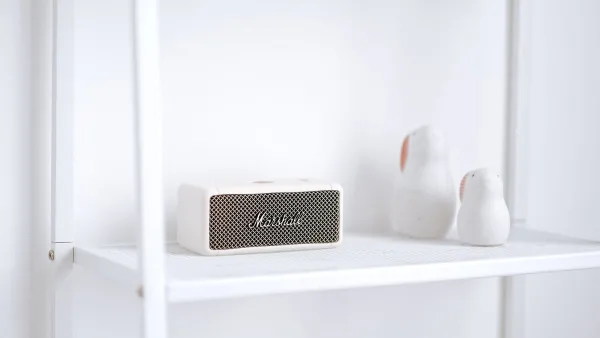
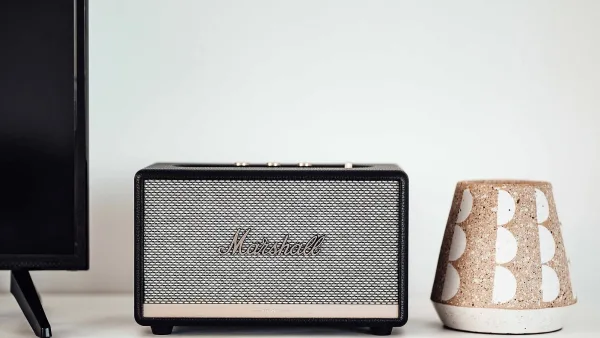
No. Genuinely. A small combo amplifier — one where the amp and speaker live in the same box — in the 10 to 50 watt range is plenty for learning at home. It's light, it's affordable, and if it has a headphone output you can practise at 11pm without anyone complaining. Save the bigger purchase for when you actually have a rehearsal or a gig to play.
A quick glossary before we go further, since bass amp shopping comes with its own jargon:
- Combo: amplifier and speaker built into one unit.
- Head: a standalone amplifier that needs a separate speaker cabinet to work.
- Cabinet (or "cab"): the speaker box a head plugs into.
- Watts: a measure of electrical power, not a direct measure of loudness.
- Ohms (Ω): a measure of the electrical resistance a speaker presents — more on this below.
Your first bass amplifier: what to actually look for
As a beginner, you don't need to understand every spec on the box. You need to understand three things.
1. Enough power for where you'll play
A 10–50 watt combo is the sensible starting point for a bedroom or small room. If you know you'll be jamming with friends fairly soon, stepping up to something in the 50–100 watt range gives you a bit more room before it starts to sound strained.
2. A headphone output
This one small feature genuinely changes how much you'll practise. Being able to plug in headphones and play without disturbing the household — or the neighbours — removes one of the biggest barriers to putting in regular practice time.
3. Simple, clear controls
Look for a straightforward gain knob, a master volume, and a basic tone control (often just bass, mid and treble). You don't need a dozen knobs to sound good — you need to understand the few you have.
The one safety rule worth learning early: impedance
You won't need to worry about this with a combo amp, since the speaker is already matched to the amplifier inside the box. But the moment you consider a separate head and cabinet, this matters: impedance, measured in ohms, describes the electrical load a speaker presents to an amplifier, and connecting a cabinet with too low an impedance can damage the amp. As a beginner, the simplest advice is to stick with a combo amplifier until you're ready to learn this properly — or ask the shop to confirm compatibility for you.
Setting up your amp for the first time
Getting a clean, usable sound out of a new bass amplifier takes about two minutes once you know the order to do things in:
- Turn the amplifier's gain and master volume all the way down before plugging in your bass.
- Plug your bass into the correct input (check whether your bass is "active" or "passive" — most beginner basses are passive, and use the standard input).
- Set all EQ controls (bass, mid, treble) to their middle, "flat" position to start.
- Slowly raise the gain while playing your loudest note, stopping just before the sound starts to crackle or distort.
- Bring up the master volume to a comfortable level.
- Adjust the EQ to taste once you can hear yourself clearly — small moves at a time.
That's genuinely the whole process. Anything more elaborate can wait until you know what you're listening for.
Words you'll hear that don't need to worry you yet
A few terms come up constantly in amp shop discussions that simply aren't beginner concerns:
- Class D: a modern, lightweight amplifier design — good news for your back, not something to research deeply yet.
- DI output: a connector for feeding a mixing desk or recording setup directly. Useful eventually, irrelevant for bedroom practice.
- Tube versus solid-state: a genuine tonal debate among experienced players, but not something that should slow down your first purchase.
Common early mistakes to sidestep
A few things trip up almost every beginner at some point:
- Buying based on wattage number alone, rather than how and where you'll actually play.
- Cranking the gain too high, which causes unwanted distortion rather than more volume.
- Plugging into a guitar amp "just to try it" at real volume — bass frequencies can strain speakers that weren't designed for them.
For the fuller list once you're gigging, our piece on common bass amplifier mistakes to avoid is worth bookmarking for later.
When you're ready to go deeper
Once the basics feel comfortable, our full overview of how bass amplifiers work covers the signal path and tone-shaping features in proper depth, and the complete buyer's guide is there for when you're ready to upgrade with confidence.
The bottom line
Your first bass amplifier doesn't need to be complicated or expensive. A modest combo with a headphone output, a handful of clear controls, and enough watts for the room you're actually practising in will teach you everything you need to know before your second purchase. Learn the gear as you go — nobody buys the perfect bass amplifier on day one, and that's completely fine.



Comments