


Guitar Effects Pedals Wah roundup
The Best Guitar Effects Pedals Wahs for the Money
No fake benchmarks here. Which types of wah pedal actually earn their keep, and for who, without pretending there's one objective winner.
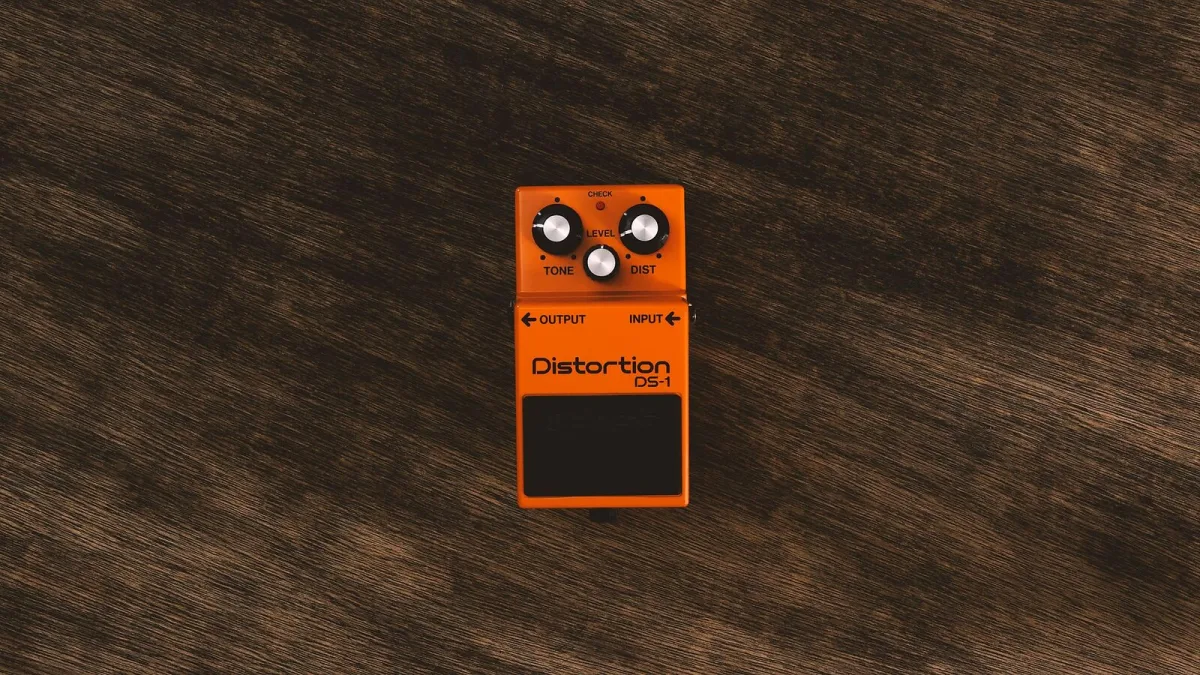
Right, no fake benchmarks and no pretending every pedal on the market is worth your money — let's talk about which types of wah pedal actually earn their keep, and for who. Rather than chase a single "best" crown, this is about the categories worth knowing and where your budget realistically gets you.
The Benchmark: A Classic Cry Baby-Style Unit
Dunlop's Cry Baby GCB95 grew out of the same 1960s Thomas Organ lineage that started the whole effect, and it's the reference point most other units still get compared against. If you want the sound most people picture when they hear the word "wah" — the one all over Hendrix and Clapton records — a traditional Cry Baby-style unit is the safest, most future-proof starting point, and it's rarely the most expensive option on the shelf.
Vox-Style Wahs for a Rounder Voice
Vox's own lineage traces back to the very earliest commercial circuits, and units voiced in that style tend to sit slightly smoother and rounder than a typical Cry Baby, with a less biting top end. Players chasing a more vocal, less aggressive sweep for blues or classic rock phrasing often gravitate here rather than toward the sharper Dunlop-style peak.
Budget Options: What You Actually Give Up
Cheaper wah pedals aren't a scam — the core filter circuit isn't complicated, and a budget unit can absolutely get you through gigs and recording sessions. What you typically sacrifice is build quality (a treadle that feels a bit looser or a pot that wears faster), fewer internal component options, and less resale value down the line. For a first pedal or an occasional-use effect, that trade-off is often completely fine.
Adjustable and Multi-Wah Pedals for Tinkerers
If you're the kind of player who wants to dial in sweep range, resonance and output level rather than accept one fixed voicing, look toward adjustable models built specifically for that. These cost more, but they let one pedal cover funk's quick articulate sweep and metal's tighter, more aggressive peak without buying two separate units.
Signature Wahs: Worth It, or Just a Name?
Manufacturers have released wah pedals voiced or configured for specific well-known players, and the honest answer is: it depends on the model. Some genuinely modify the sweep range or resonance in a way that suits a particular style; others are closer to a standard circuit in a different paint job. If a signature model's specific voicing matches what you're already chasing, it's worth trying. If you're buying it purely for the name, save the difference.
Matching One to Your Style
| Style | What to look for | Rough price tier |
|---|---|---|
| Funk / rhythm | Quick, articulate sweep | Budget to mid-range |
| Blues / classic rock | Smoother, rounder vocal tone | Mid-range, Vox-style |
| Metal / hard rock | Tight, aggressive upper-mid peak | Mid-range to adjustable |
| Studio tinkerer | Adjustable sweep, Q and output | Higher-end, adjustable models |
Where the Real Difference Actually Lives
Honestly, the gap between a decent budget wah pedal and a premium one is smaller than the marketing suggests — the bigger factor is almost always technique. Our overview of what a wah pedal actually does is worth a read if you want to understand what you're actually paying for before you compare models, and our full buyer's guide covers switching type, bypass and reliability in more depth.
Bottom Line
Skip the idea that there's one objectively "best" option here — a classic Cry Baby-style unit covers most players perfectly well, a Vox-style model suits a rounder blues tone, and adjustable pedals earn their price only if you'll actually use the extra controls. Buy for your style, not the hype, and you won't go far wrong. If this is your first wah pedal, our beginner's guide is a good place to start before you commit.





Comments