


Guitar Effects Pedals Wah roundup
Guitar Effects Pedals Wah: A Complete Buyer's Guide
Most wah pedals look the same on the outside. Here's what actually matters underneath, so you don't end up buying twice.
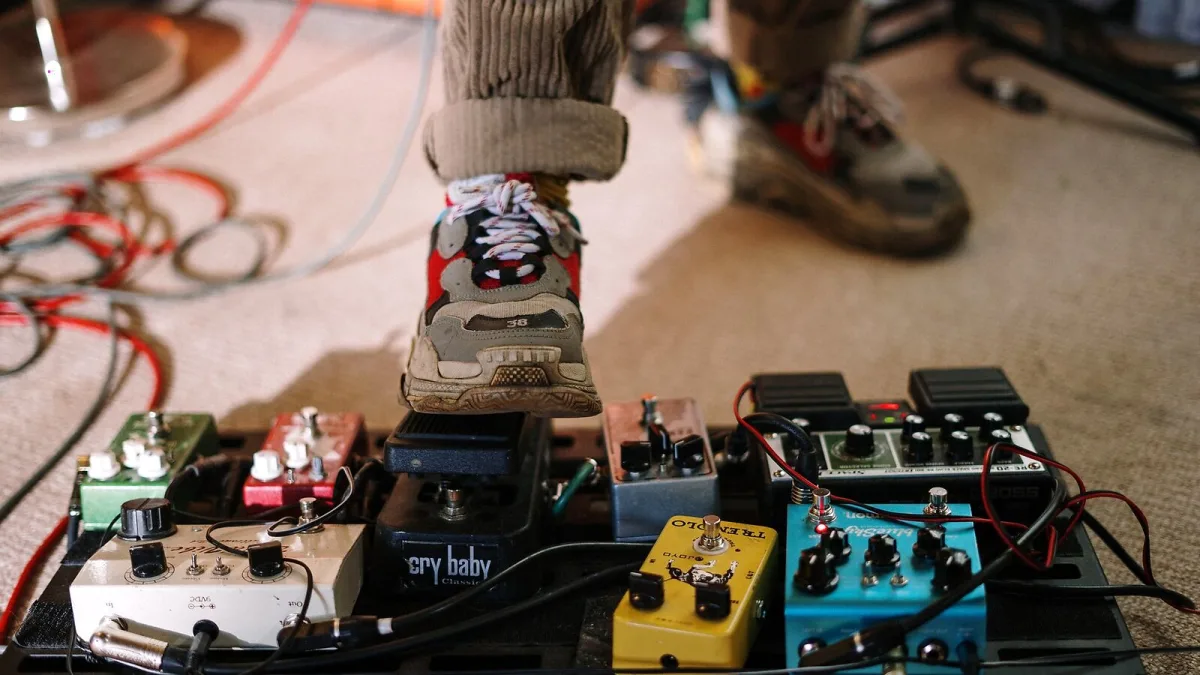
Right, let's cut through the marketing and talk about what actually matters when you're choosing a wah pedal. Most of them look similar — a rocking treadle in a metal enclosure — but the differences that matter are mostly hidden until you're a few months in and something starts annoying you. Here's what to check first.
Wah Pedal Basics: Mechanical or Something Newer?
The classic design uses a rocker treadle connected to a potentiometer, which physically wears over time and can eventually develop scratchy spots or dead zones. Newer optical and contactless designs sense the treadle's position without a physical wiper touching anything, which means less mechanical wear and generally more reliable long-term performance. The trade-off is feel: plenty of players still prefer the exact resistance and travel of a traditional mechanical unit, even knowing it'll need attention eventually.
Switching: Toe-Click or Auto-On
Traditional units use a toe-click mechanism — press down hard at the toe to switch the effect on or off, which requires a deliberate action and won't engage by accident. Auto-on designs activate as soon as you start rocking the treadle, which is faster in the moment but means you need to be more careful about where you leave your foot when you're not using it. Neither is objectively better; it comes down to how you actually play.
Adjustability: Sweep, Q and Range
A basic wah pedal gives you one fixed voicing. Pricier or more adjustable models let you tweak the sweep range, the resonance (often labelled "Q," which controls how sharp or smooth the peak sounds), output level and sometimes even the overall gain. If you already know you like a tight, aggressive peak for lead work or a smoother, rounder sweep for rhythm parts, an adjustable model saves you from buying twice.
Reliability and Noise
Check whether a wah pedal is true bypass or buffered. True bypass keeps your signal path as simple as possible when the effect is off, which some players prefer tonally, but it can suffer over long cable runs. A buffered pedal maintains signal strength better across a big pedalboard but adds a small amount of circuitry into your chain even when bypassed. Either is fine in most setups; it only really matters if you're already fighting tone loss or noise elsewhere in your rig.
Matching a Wah to Your Playing Style
| Style | What to look for |
|---|---|
| Funk / rhythm | Quick, articulate sweep for rhythmic "chop" playing |
| Blues | Smoother, rounder vocal response, less aggressive peak |
| Rock / lead | A classic mid-focused sweep that cuts through a full band |
| Metal | Tighter, more aggressive upper-mid peak that sits well with heavy distortion |
For a proper look at how well-known models actually differ in practice, our roundup of options by budget and style is worth reading before you commit.
Power and Pedalboard Space
Most run happily on a standard 9-volt battery or a normal pedal power supply, but current draw varies, so check compatibility if you're running a shared power brick with several other pedals. Compact designs save valuable pedalboard real estate but often come with a smaller treadle, which some players find less comfortable for long, expressive sweeps.
A Pre-Purchase Checklist
- Decide between a traditional mechanical unit and an optical or contactless design.
- Check the switching type and whether it suits how you play live.
- Work out whether fixed voicing is enough, or you want adjustable sweep and Q.
- Confirm true bypass or buffered bypass fits your existing setup.
- Check power requirements against your current pedalboard supply.
Bottom Line
None of this needs to be complicated: work out how you actually play, check switching and reliability against that, and don't overspend on adjustability you'll never touch. If you're buying your very first one, our beginner's guide keeps it simple, and our common mistakes guide is worth reading before you settle into any bad habits.





Comments