


Guitar Effects Pedals Wah article
Common Guitar Effects Pedals Wah Mistakes to Avoid
I once watched a friend rock a wah pedal through an entire song, completely out of time, delighted with himself. Here are the honest mistakes people make.
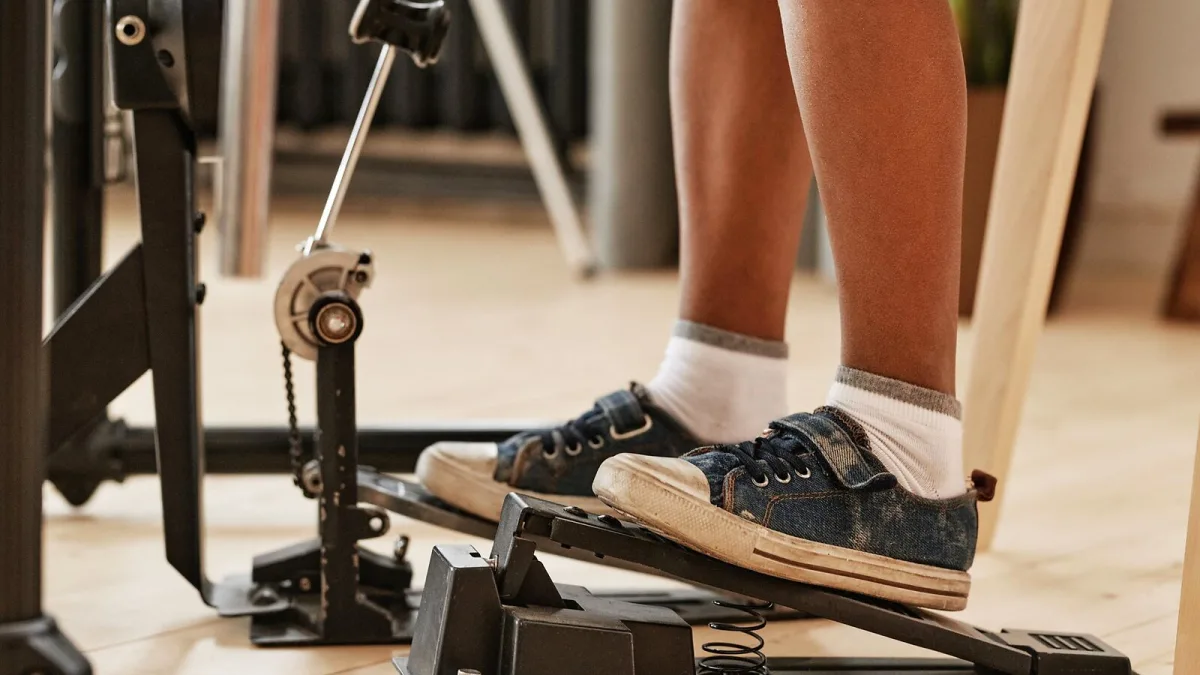
I remember watching a friend rock his foot back and forth through an entire song, completely out of time, absolutely delighted with himself, while the rest of the band quietly winced. We've all been there in some form. Here are the honest mistakes people make with a wah pedal, and how to avoid repeating them.
Mistake 1: Treating It Like a Special-Effects Button
The classic beginner habit is rocking the pedal constantly, whether or not it suits what's actually happening in the song. It works best with intention — at the start of a note, across a bend, in time with a riff — not as background motion because it's satisfying to do. Less movement, used deliberately, almost always sounds more musical than continuous sweeping.
Mistake 2: Never Trying a Parked Position
You don't have to move the treadle at all to get something useful out of it. Stopping at one fixed point turns it into a resonant EQ boost, emphasising a particular frequency range without any sweeping motion whatsoever. Plenty of players never try this simply because they assume the whole point is movement, and miss a genuinely useful trick as a result.
Mistake 3: Fighting Your Fuzz Pedal With the Wrong Wah Pedal Order
Order matters more than people expect. Placing it before a vintage-style fuzz can interact strongly with the fuzz's expected input, sometimes producing an unpredictable or overly harsh result. If your fuzz sounds strange or unstable with the effect engaged, try swapping the order before assuming your gear is broken — it's often just an impedance mismatch rather than a fault.
Mistake 4: Ignoring a Scratchy, Worn Treadle
Mechanical potentiometers wear over time, and a scratchy or inconsistent sweep is usually the pot telling you it needs attention, not a sign you're doing something wrong. Left unaddressed, dead spots in the sweep only get worse, and a lot of players simply live with it far longer than they need to before finally getting it looked at or replaced.
Mistake 5: Buying Based on Looks or Hype Alone
It's easy to pick something because a favourite guitarist uses it, without checking whether the actual voicing suits your playing. A signature model tuned for someone else's style won't automatically suit yours, and a plain, unglamorous traditional unit will often serve you better than a flashier option chosen for the wrong reasons. Our roundup of options by budget and style is worth a look before you buy on reputation alone.
Mistake 6: Forgetting the Toe-Click Entirely
On traditional units, the effect switches on with a firm press at the toe end, and it's remarkably easy to leave it engaged by accident, colouring your entire tone without realising why something suddenly sounds off. Get into the habit of checking it's properly off when you're not using it, especially before a gig or a take you actually care about.
Mistake 7: Assuming Vintage Always Means Better
Original 1960s wah pedal units are genuinely charming, but they're also famous for inconsistent components and patchy quality control, meaning two vintage examples of the "same" model can sound noticeably different from one another. Vintage character is real, but it doesn't automatically mean better performance, more reliability, or a sound objectively superior to a well-made modern reissue.
Getting Your Wah Pedal Right
None of these mistakes are embarrassing — nearly everyone makes at least one of them early on, myself included. Move it with intention, check your signal chain order, keep an eye on wear, and buy for your ears rather than someone else's reputation. If you're just starting out, our beginner's guide is a gentler place to begin, and our full overview fills in the history and technical detail behind everything above.





Comments