


Guitar Effects Pedals Wah article
Guitar Effects Pedals Wah for Beginners: A Complete Guide
You've heard the sound, you fancy trying it, and there's a wall of options staring back at you. Here's the honest, no-nonsense version of getting started.
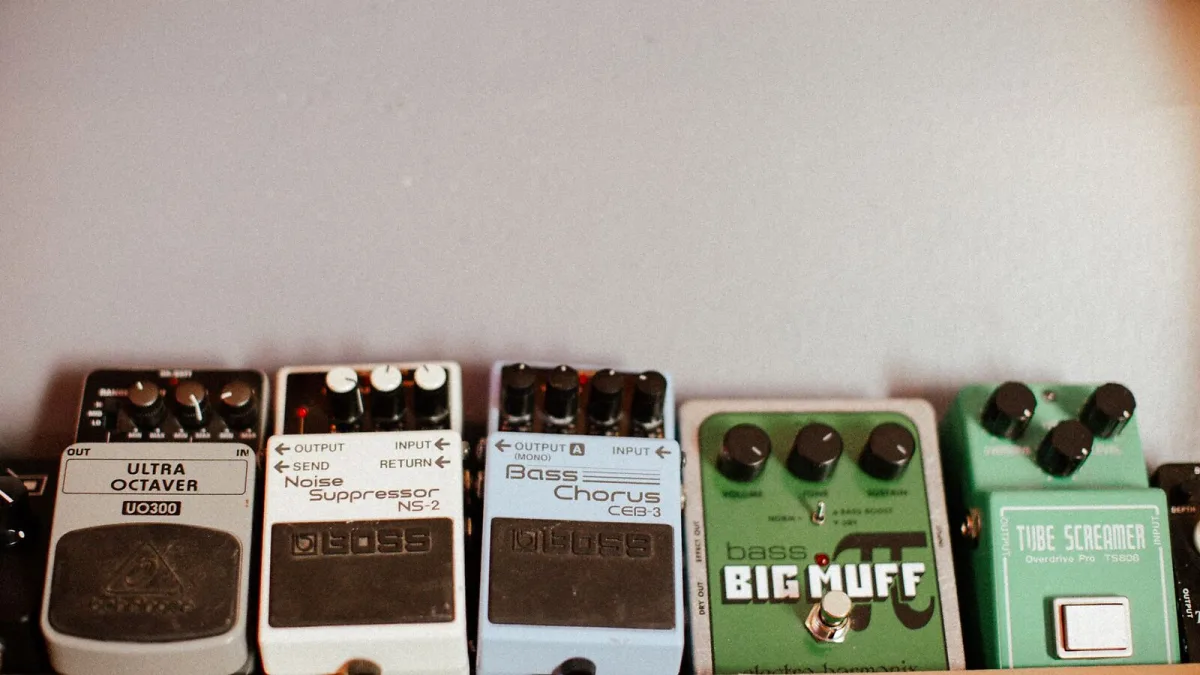
Right, let's keep this simple. You've heard the sound, you fancy trying it, and now there's a wall of options staring back at you online. You don't need to understand half of it yet. Here's the honest, no-nonsense version of getting started.
Do You Actually Need a Wah Pedal Yet?
If you've been playing a few months and you're comfortable with basic chords and a bit of lead work, you're ready. If you're still finding your way around the fretboard, it's not a bad effect — it's just one more thing to think about while you're already thinking about plenty. There's no rush either way; it'll still be there when you're ready.
Start Cheap, Not Fancy
Your first purchase does not need to be expensive. A standard, traditional-style wah pedal does everything you actually need while you work out whether you even like using one regularly — and plenty of players decide it's not for them and move on. Save the pricier, adjustable models for later, once you know what you're missing from a basic circuit.
Setting It Up Without Overthinking It
- Plug it in between your guitar and your amp, or early in your pedal chain if you're already running a few effects.
- Check the battery or power supply — a dying battery is the single most common reason a new wah pedal sounds weak or doesn't work at all.
- Find the on/off switch — usually a firm press at the toe end of the treadle.
- Rock your foot from heel to toe while playing a single held note, and just listen to what happens.
Learning to Move Your Foot Musically
The single most common beginner habit is rocking it constantly, in time with nothing in particular, because it's a genuinely fun motion. Try instead to sweep only when it means something — at the start of a held note, across a bend, or in time with the actual rhythm of what you're playing. It'll feel like less at first. It'll sound like a lot more.
Where to Put It in a Small Pedal Chain
If it's your only effect, plug it straight between guitar and amp. If you've also got an overdrive or distortion pedal, try it first in the chain before your gain pedal — that usually gives the more familiar, vocal sound most beginners expect. There's no rule stopping you trying it the other way round once you're curious, but that's a job for later, not your first week.
Common First-Week Frustrations
| Problem | Likely cause |
|---|---|
| Sounds thin or weak | Low battery or loose cable connection |
| Doesn't seem to do much | Treadle isn't being rocked through its full range |
| Sounds harsh with distortion on | Try it earlier in the chain, before the gain pedal |
| Feels stiff or scratchy | Normal for some units; check it's not a fault before assuming it's you |
You Don't Need the Full History Lesson Yet
You don't need to know who invented it, which decade it came from, or which guitarist made it famous before you're allowed to enjoy using one. That's genuinely interesting background for later. Right now, plug in, rock your foot, and see how it feels on your own playing.
Where to Go From Here
Once you're comfortable, our full overview explains the history and technical side properly, and our common mistakes guide is worth reading before habits set in. When you're ready to spend a bit more, our roundup of options by budget and style will help you choose your next one.





Comments