


Electro Harmonix article
Common Electro Harmonix Mistakes to Avoid
Most Electro-Harmonix disasters are avoidable. Here are the mistakes guitarists make most often, from the shop to the stage, and the fixes that prevent them.
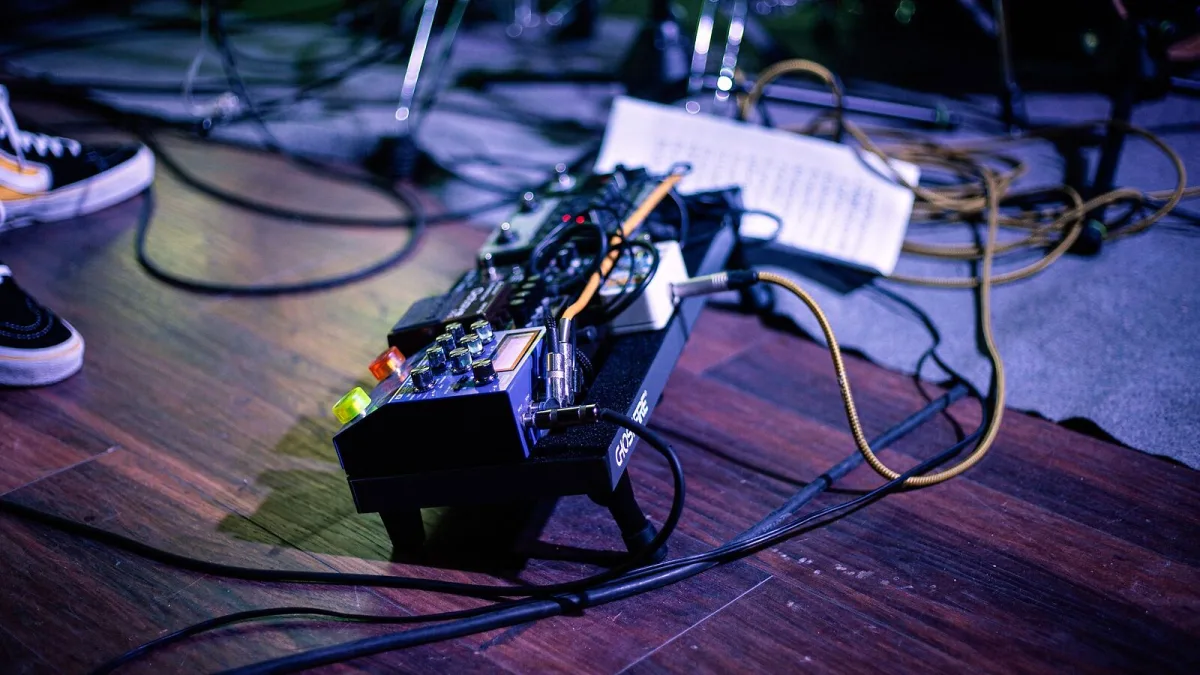
I’ve watched enough soundchecks go sideways to know that most Electro-Harmonix mistakes aren’t about taste — they’re about small, avoidable slip-ups that turn a brilliant pedal into a disappointing one. Here are the mistakes I see guitarists make most often with EHX gear, from the shop right through to the stage, and the fixes that would have saved them a rough night.
Mistake 1: Assuming Every Big Muff Sounds the Same
The Big Muff Pi has been reworked across decades, factories and circuit revisions, and no two eras are identical. I’ve heard players buy a used Big Muff expecting the exact tone from a favourite record, only to get something noticeably different in gain, sustain or midrange. Research the specific version before you buy, not just the name on the box.
Mistake 2: Forgetting the Scooped Mids Live
A Big Muff on its own, in a practice room, sounds enormous. Slot that same tone into a full band mix and it can vanish, because many Big Muff circuits scoop out midrange — the exact frequencies that help a guitar cut through drums and bass. I’ve seen guitarists blame the venue’s PA for this more than once. Bring an EQ pedal, or a touch of overdrive after the fuzz, and test it at band volume before the gig, not during it.
Mistake 3: Ignoring Power Supply Requirements
Electro-Harmonix pedals don’t all run on the same voltage, current draw or polarity, and that’s not a minor detail. Grab the wrong power supply and you’ll get unreliable behaviour at best, or a damaged pedal at worst — and pedals have a habit of failing mid-set, never in soundcheck. Check the specific model’s requirements every time, especially with older or Russian-era units.
Mistake 4: Buying Vintage Without Checking It Over
Vintage Electro-Harmonix gear has real character, and I understand the appeal completely. But older units can need replacement capacitors, switch servicing or jack repairs, and a seller’s photos won’t tell you that. Ask about servicing history, test it properly before you buy, and budget for a service if nobody can answer your questions.
Mistake 5: Putting Fuzz in the Wrong Part of the Chain
Classic-style EHX fuzz circuits are fussy about what comes before them. Stick a buffered pedal or the wrong booster in front of one and it can lose the raw, slightly unstable character that makes it worth owning in the first place. As a starting point, keep fuzz early in the signal chain, and experiment carefully from there.
Mistake 6: Chasing an Artist’s Sound Instead of Your Own
Big Muffs get linked to some enormous names — Jimi Hendrix, David Gilmour, Sonic Youth, Dinosaur Jr. and Mogwai among them — and that reputation understandably pulls people in. But an artist being associated with a pedal doesn’t mean one unit will hand you their sound; recordings involve specific amps, guitars, settings and studio choices you’ll never fully replicate. Buy for the tone you actually want in your own hands, not the one attached to somebody else’s name.
Mistake 7: Skipping Noise Control on High-Gain Sounds
High-gain fuzz amplifies hiss and interference along with your signal, and a noisy rig is one of the fastest ways to lose confidence on stage. A noise gate can help, but set it too aggressively and you’ll choke off sustain — the exact thing you bought a Big Muff for. Find the balance in rehearsal, never for the first time live.
Mistake 8: Storing Gear Badly Between Gigs
A soft gig bag chucked in a hot van boot overnight does old electronics no favours — extreme heat and damp are hard on pots, switches and internal wiring over time, vintage units especially. It won’t kill a pedal in one night, but do it for years and you’ll shorten its working life considerably. A proper pedal case earns its keep here, and it’s a cheap habit compared with a repair bill.
The Quick-Glance List
- Assuming all Big Muffs are identical.
- Ignoring the scooped mids in a full band mix.
- Using the wrong power supply.
- Buying vintage gear unchecked.
- Placing fuzz in the wrong spot in the chain.
- Chasing someone else’s exact sound.
- Running high gain with no noise control.
- Storing pedals badly between gigs.
Getting It Right Instead
None of these mistakes are complicated once you know to look out for them, and every one is avoidable with a bit of care before you buy or before you plug in. A pattern runs through all eight: nothing here demands luck or expensive gear, just a bit of attention paid at the right moment. If you’re still choosing your first Electro-Harmonix pedal, our beginner’s guide is the friendlier starting point, and the buyer’s guide covers specs and pitfalls in more depth. For the full picture of how the brand’s pedal families fit together, see our guide to EHX, or browse the best Electro-Harmonix pedals for the money by category.
The Bottom Line
Most Electro-Harmonix disasters I’ve seen up close were preventable — wrong power supply, wrong expectations, or a fuzz bought on reputation alone. Sort those out before you buy, and an EHX pedal is far more likely to earn its place on your board than end up as an expensive lesson.




Comments