


Concert Lighting roundup
The Best Concert Lightings for the Money
There's no single best rig, only the right one for your venue and budget — here's how concert lighting setups break down by scale, from pub gig to arena tour.
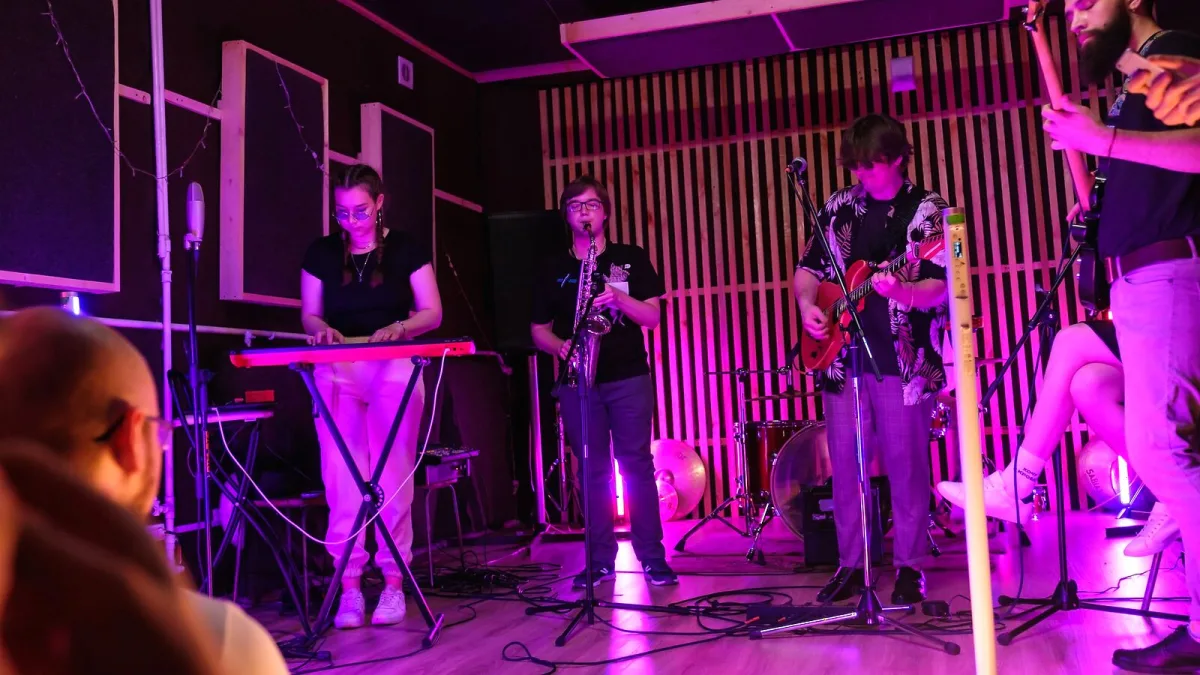
There's no single best concert lighting rig — there's only the right rig for the room you're actually playing. I've watched a beautifully designed light show fall flat in the wrong space, and a simple four-fixture setup absolutely make a small venue sing. So instead of chasing one "best" answer, here's how the options break down by the kind of show you're actually putting on.
Best for a Small Venue or Function Room: A Compact Wash and Moving-Head Combination
For a pub, a small hall or an intimate function room, you don't need much — a handful of LED wash fixtures for colour and coverage, plus one or two moving heads to add movement and the odd gobo texture. It's affordable, quick to rig, and genuinely transforms a plain room without needing a truck or a crew.
Best for a Mid-Sized Room or Regular Gigging Band: A Modest Moving-Head Rig
Once you're playing rooms with a proper stage and some ceiling height, a small rig of moving heads earns its keep. Their ability to cover multiple roles — colour, pan, tilt, gobo, focus — in a single fixture means you get real visual variety without buying and rigging a dozen separate lights. This tier rewards a bit of DMX knowledge, since you'll be programming actual cues rather than just switching colours.
Best for Touring or Larger Venues: A Full Moving-Light and Control System
At arena or large festival scale, you're looking at a proper touring rig — moving heads, beam fixtures, a dedicated console, and very likely an Ethernet-based control network rather than simple daisy-chained DMX. This tier isn't really about "the best gear" so much as the best team: a lighting designer, a director to run the show night after night, and technicians who know the rig inside out. Our guide to concert lighting covers those roles properly.
Best Choice If You're Hiring Rather Than Buying
Plenty of bands and small venues are better served renting than owning outright, especially at the touring end of the scale where a full rig, crew and transport represent serious money. A good hire company will already have well-maintained, properly rated concert lighting gear, and can often supply a technician who knows it far better than a one-off buyer ever could. Buying only really pays off once you're using the same rig often enough to justify the storage, maintenance and transport it demands.
Best Value Addition Regardless of Budget: A Haze Machine
If there's one purchase that punches above its price at every level, it's haze. Without it, even a brilliant beam fixture just throws light at the stage floor. With it, that same beam becomes a visible, dramatic shaft that audiences actually notice. Pound for pound, it's often the best return on investment in the whole rig.
Comparing the Concert Lighting Tiers
| Scale | Best Setup | What You Gain |
|---|---|---|
| Small venue | Wash lights + a couple of moving heads | Affordable, fast to rig, transforms a plain room |
| Mid-sized venue | Small moving-head rig with real programming | Genuine visual variety and proper cues |
| Touring / arena | Full moving-light rig, console and crew | Repeatable, adaptable shows across many venues |
Best Choice If You're Buying on a Tight Budget
Honestly, if money's tight, spend it on flexibility rather than fixture count. A handful of good moving heads will outperform a large pile of cheap, single-function lights, and haze will do more for your visuals than an extra fixture ever will. Our buyer's guide goes into that trade-off properly.
Best Choice If You're New to All of This
If the idea of DMX channels and console programming still feels daunting, don't start at the top. Our beginner's guide to concert lighting starts from the very basics, and there's no shame in growing into a bigger rig over time rather than buying it all at once.
The Bottom Line
The best concert lighting setup is the one matched honestly to your venue, your budget and your team, not the one that looks most impressive in a catalogue. Start with the room you actually play, invest in flexibility over fixture count, and never skip the haze. Everything else can grow from there.




Comments