


Concert Lighting article
Concert Lighting for Beginners: A Complete Guide
A calm, encouraging first step into concert lighting: the three fixtures to learn first, a gentle intro to DMX, and your first session at the desk.
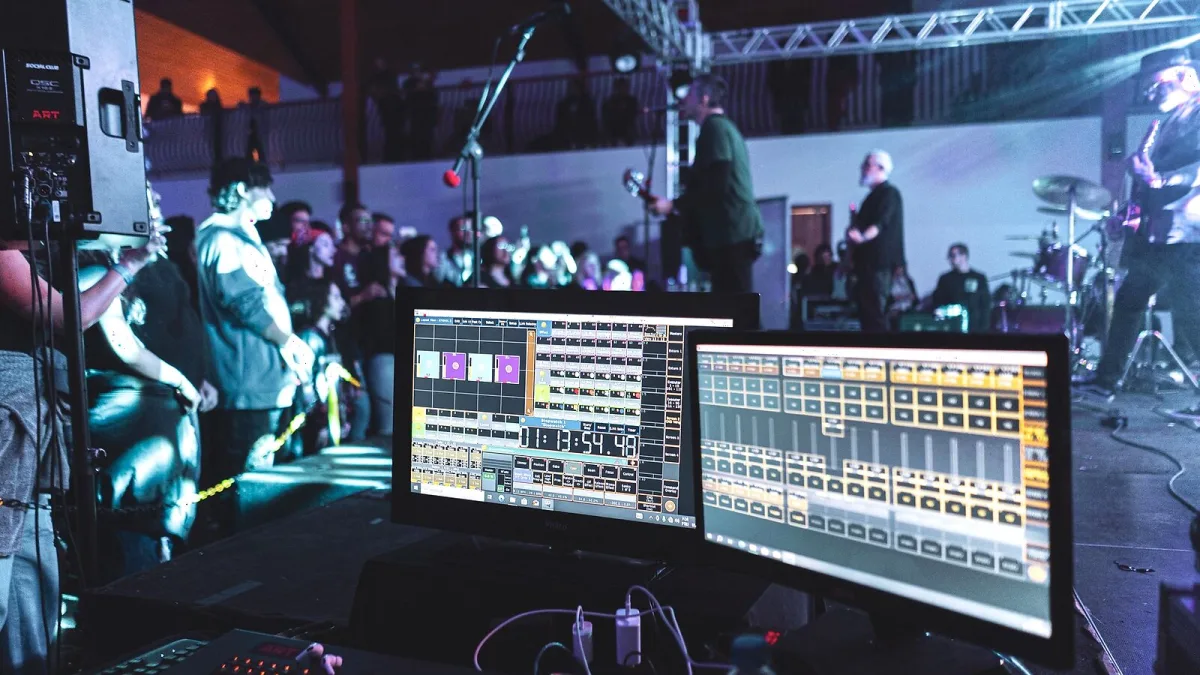
If you've been handed the lighting desk for the first time, or you're simply curious how those colours and beams come together, welcome. Concert lighting looks intimidating from the outside, but it's built from a small handful of ideas that make sense quickly once someone walks you through them properly. Let's take it gently, one piece at a time.
You Don't Need to Know Everything on Day One
Every experienced lighting designer started exactly where you are now, staring at a desk full of unfamiliar buttons. The good news is that a small, simple rig teaches you the same fundamentals as a huge touring one — just with far less pressure and far fewer cables underfoot.
The Three Fixtures Worth Learning First
Rather than trying to understand every piece of kit at once, start with these three, since almost everything else builds on them:
- Wash lights — broad, soft coverage. Think of these as your base colour, painting the whole stage.
- Moving heads — one fixture that can change colour, direction and shape, giving you variety without needing a dozen separate lights.
- A haze machine — not technically a light at all, but it's what makes your beams visible in the air rather than just landing invisibly on the floor.
A Gentle Introduction to Control
Every fixture is told what to do through a system called DMX, which sends numbers down a cable telling a light how bright to be, what colour to show, and where to point. You don't need to memorise the technical detail straight away — just understand that your console is essentially "talking" to each fixture, one instruction at a time.
Your First Concert Lighting Session: Getting Comfortable
- Start with just one or two fixtures. Learning on a small setup teaches you the same principles as a big rig, without the overwhelm.
- Bring up a single wash light and change its colour. Notice how the whole feel of the room shifts with something as simple as that.
- Add a moving head and try panning and tilting it slowly. Get a feel for how movement changes the energy of a space.
- Turn on some haze and point a beam through it. This is often the moment beginners fall in love with lighting — suddenly you can actually see the light travelling.
- Try matching a colour change to a moment in a song. This is the heart of the craft: light responding to music, not just running on its own.
- Write down what you did. Simple notes save you from forgetting a lovely combination you stumbled onto by accident.
Common Beginner Worries (and Why They're Normal)
| Worry | Gentle Reality |
|---|---|
| "There are too many buttons" | You'll only ever use a handful regularly — the rest becomes familiar with time |
| "I'll mess up during a live show" | Everyone does occasionally; a blackout or a missed cue is rarely as noticeable to the audience as it feels to you |
| "I don't understand DMX properly" | You can run a lovely small show long before you need to fully understand the protocol behind it |
Safety Comes Before Anything Else
Before you get carried away with colours and movement, always check that fixtures are properly secured, cables are safely routed and out of the way, and electrical connections are sound. It isn't the exciting part, but it's the part that keeps everyone safe, and it should never be rushed or skipped, however small the show.
Avoiding the Mistakes Almost Everyone Makes
Once the basics feel comfortable, it's worth reading through the pitfalls that catch out most newcomers — our guide to common concert lighting mistakes covers them kindly and clearly.
Where to Go From Here
When you're ready to understand the fuller picture — the different roles in a lighting team, colour theory and how touring rigs actually work — our complete guide to concert lighting is a warm next step, and our buyer's guide is there whenever you're ready to add to your own kit.
The Bottom Line
Nobody understands concert lighting fully on their first evening at the desk, and nobody needs to. Start small, learn your three core fixtures, and let yourself enjoy the moment a beam appears through the haze for the first time. Everything more advanced grows gently from there.




Comments