


Vibraphone roundup
Vibraphone: A Complete Buyer's Guide
What actually matters when buying a vibraphone, from motor and pedal condition to range, size and transport.
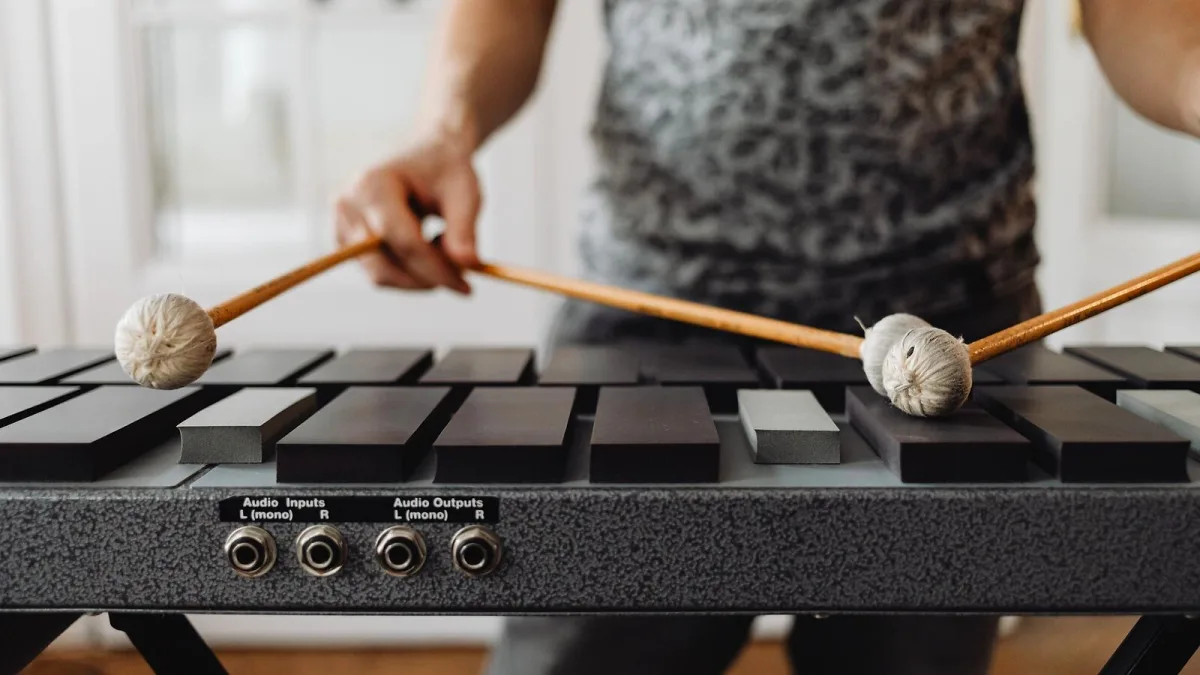
A vibraphone is a serious purchase — heavier, pricier and more mechanical than most percussion instruments, with a motor and pedal that both need checking properly. Here's exactly what to look at before you buy one, new or secondhand.
What to Decide Before You Look at a Single Instrument
Start with how you'll actually use it. A gigging jazz player who needs to load an instrument into a car every week has very different priorities from a studio or teaching space where the instrument stays put. Portability, frame construction and case options matter far more for the first buyer; tone, range and build quality matter more for the second.
New or Secondhand: What Actually Changes
A new instrument gives you consistent tuning, an intact motor, and no hidden wear. A well-maintained secondhand instrument, including older Deagan or Musser models that some players specifically seek out, can offer excellent value and a tonal character some players prefer — but only if it's actually been looked after.
Secondhand buying comes down to inspection, not guesswork. Bring a mallet, plug the motor in if there is one, and physically test everything rather than relying on photos or a seller's description.
What to Check on Any Instrument
| Check | What you're looking for |
|---|---|
| Bar tuning | No obviously flat, sharp or dead-sounding bars; no visible cracks |
| Resonators | Properly aligned beneath each bar, no dents or looseness |
| Damper rail | Makes clean, even contact across all bars when the pedal is released |
| Pedal | Smooth travel and return, no sticking or excessive play |
| Motor | Runs quietly and evenly; speed control (if fitted) works smoothly |
| Frame | Stable, no wobble; wheel locks hold properly |
| Bar cords | Present and undamaged on every bar |
A quiet motor matters more than it sounds. Older or poorly maintained instruments can develop an audible mechanical hum that becomes a real problem in a recording or quiet performance setting.
Range and Size: 3, 3½ or Full Concert?
A traditional three-octave instrument, F3 to F6 across 37 bars, covers the vast majority of jazz repertoire and is the standard choice for most working players. A larger 3½ or 4-octave concert model extends the low end, which matters for orchestral and contemporary classical parts, but adds weight, size and cost. Don't pay for range you won't actually use.
Motor, Pedal and Frame: The Moving Parts
These three components are what separate a vibraphone from a marimba, and they're the parts most likely to need attention on an older instrument. Ask specifically about replacement-part availability for the motor and pedal mechanism before buying anything secondhand, since parts and servicing knowledge for older models can be harder to source than for a current production instrument.
Also check how the instrument breaks down for transport. Some frames fold or dismantle for a car boot; others are considerably less practical, which matters a great deal if you're gigging with a vibraphone regularly rather than keeping it in one room.
What You're Actually Paying For
Price differences between vibraphones mostly come down to bar material quality, resonator precision, motor reliability and frame build, rather than any single headline feature. A budget instrument aimed at students and schools will get you playing, but a professional-grade vibraphone typically offers more even tuning across the full range, a quieter motor and a sturdier frame that holds up to repeated transport.
Vibraphone vs Marimba: Which Should You Actually Buy?
If you already know you want the shimmering, sustained, motor-driven sound and expect to play mostly jazz or contemporary music, the vibraphone is the right purchase. If you're drawn to a warmer, woodier tone and more classical or ensemble repertoire, a marimba is worth comparing before you commit, since the two instruments feel genuinely different under the hands despite the shared keyboard layout. Our full explainer covers that comparison, along with the xylophone, in more depth.
A Buying Checklist
- Confirm the range (3, 3½ or 4 octaves) matches what you'll actually play.
- Test the motor and pedal in person, not just from photos.
- Check every bar cord and the damper rail's contact across the full range.
- Ask about replacement-part availability before buying an older secondhand instrument.
- Consider transport and storage before size and weight surprise you later.
The Bottom Line
Buying a vibraphone comes down to matching the range and portability to how you'll actually use it, then testing the motor, pedal and bars properly rather than trusting a listing at face value. Get those right and a well-chosen instrument, new or secondhand, will serve you for decades. If you're brand new to the instrument rather than choosing between models, our beginner's guide is a better place to start than a specifications table.




Comments