


Instruments Tambourine article
Instruments Tambourine for Beginners: A Complete Guide
No prior music experience needed — a warm, encouraging guide to your first sessions with a tambourine.
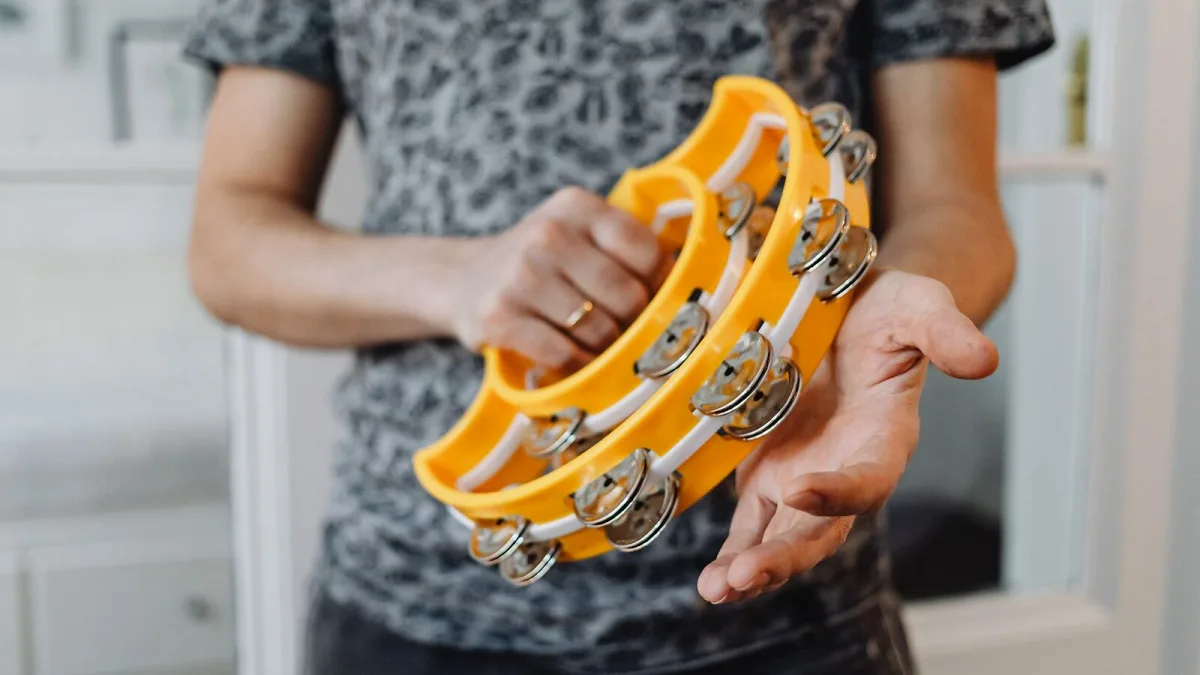
If you've never played an instrument before, or you've tried and given up, the tambourine is one of the kindest places to start. There's no long list of notes to learn and no wrong way to hold it while you're finding your feet. Give yourself permission to sound a bit rough for the first few days — everyone does, and it passes quickly.
Why It's Such a Forgiving First Instrument
Most instruments ask you to master posture, reading, and sound production all at once before anything satisfying happens. A tambourine skips most of that. Pick it up, move your hand, and you already have a real, musical sound — not a perfect one, but a real one. That early success matters more than people realise; it's what keeps beginners coming back for a second and third go.
You Don't Need a Special First Tambourine
Don't spend weeks agonising over which tambourine to buy before you've even had a go. A simple, inexpensive handheld model with a plastic or basic wood shell is entirely fine for learning — you're building a feel for the instrument, not chasing a professional tone yet. Borrow one if you can, or choose the most modest option in the shop; you can always think more carefully about upgrades once you know what you enjoy playing.
Your First Few Minutes
Don't worry about doing this correctly. Just hold the tambourine however feels comfortable, with your fingers loosely round the frame, and give it a gentle shake. Notice what changes when you:
- Shake faster or slower
- Tilt it more upright, or flatter
- Move it in a small circle instead of side to side
There's no test here. You're just building a mental map of how your hand movement turns into sound, which is the same skill every experienced player is really using, just refined over years.
Learning to Keep Time
Once shaking feels natural, the next skill is steadiness, not speed. Try counting slowly to four, out loud if it helps — “one, two, three, four” — and shake gently on every count. Don't rush ahead when it feels easy; a slow, even pulse is far more useful than a fast, wobbly one. Play along to any song with a clear, steady beat, and simply match the tambourine to it. Pop songs from the 1960s are a lovely place to start, since the instrument sits right on top of the mix in so many of them.
Two Sounds Worth Telling Apart Early
Most beginners only ever produce one sound — a continuous rattly shake — without realising a second, quite different sound is sitting right there.
- The continuous shake: a steady wash of jingle sound, useful for filling out a whole bar or a whole section.
- The single tap: striking the head or frame once, cleanly, for a single accent on a specific beat.
Practise switching deliberately between the two rather than letting the shake blur into everything. Even a simple pattern — shake, shake, tap — will feel far more musical than continuous shaking on its own.
If It Feels Uneven, That's Completely Normal
Early on, your tambourine will probably sound a little inconsistent from one hand movement to the next — louder in one spot, quieter in another, occasionally clattering when you didn't mean it to. This isn't a sign you're doing anything wrong. It's simply what learning any percussion instrument sounds like before your hand settles into a repeatable motion. Give it a week or two of short, regular sessions before you judge your own progress.
A Little Practice, Often
Ten focused minutes a day will get you further than an hour once a week. Try this simple routine:
- Two minutes of free shaking, just to warm up your hand and wrist
- Three minutes of counting and keeping a steady four-beat pulse
- Five minutes playing along to two or three songs you actually enjoy
Consistency, not intensity, is what turns a wobbly beginner into someone who can hold a steady part without thinking about it.
Playing Along With Others
As soon as your steady shake feels reliable, look for a chance to play alongside someone else — a friend on guitar, a family singalong, a church or community group. A tambourine is a naturally social instrument; it was built to sit inside a group sound, not to be practised alone in a room forever. You'll also learn far more from ten minutes keeping time with a real singer than from an hour of solo practice, because you'll immediately hear whether your pulse is actually steady or only felt that way to you.
What Comes Next
Once a steady shake and a clean single tap both feel comfortable, you're ready to build on them properly. Our setup and playing guide takes you through grip, angle and additional strokes in more technical detail, and our overview guide is a nice way to understand how the instrument you're now playing actually works. When you're feeling more confident, it's also worth reading through our common mistakes to avoid, so you can skip the habits that slow other beginners down.
The Main Thing to Remember
You don't need any prior musical experience to enjoy the tambourine, and you don't need to sound polished on day one. Be patient with your own hands, keep your practice sessions short and regular, and the instrument will start to feel like second nature far sooner than you expect.




Comments