


Marimba roundup
The Best Marimbas for the Money
There's no single "best" marimba, only the right tier for your budget and your playing. Here's how the market actually breaks down.
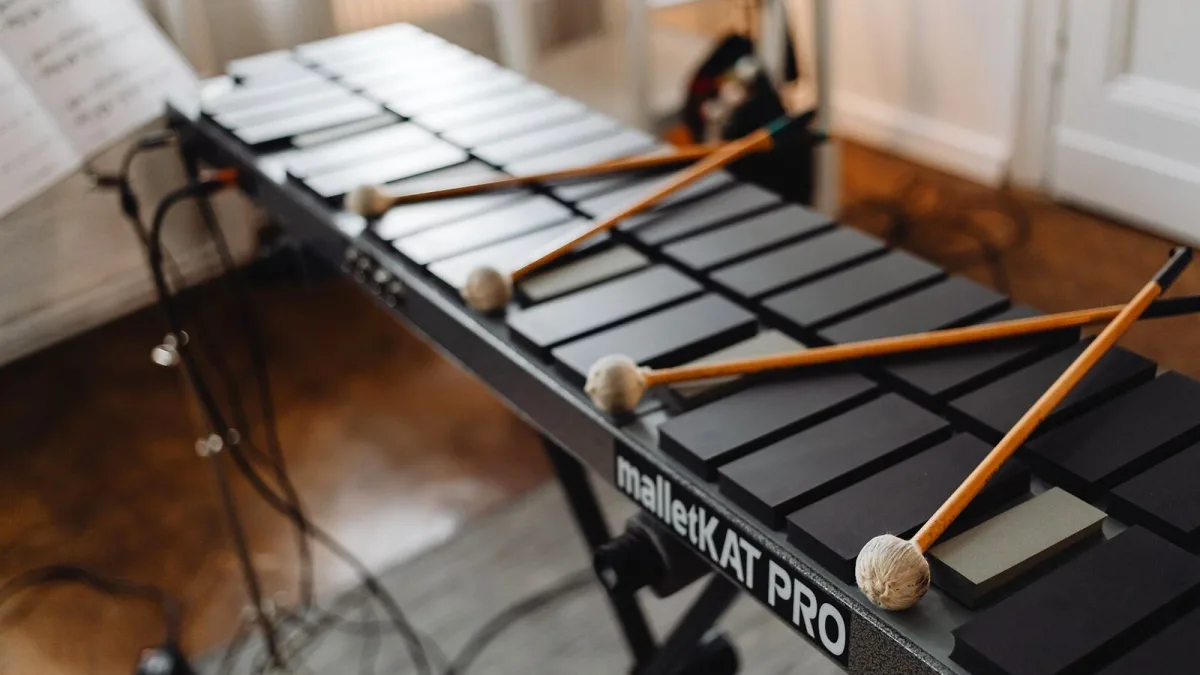
There is no single "best" marimba — only the right instrument for your budget, your space and what you actually intend to play on it. Rather than chase a fake winner, this guide splits the market into realistic tiers, so you can see what a given amount of money genuinely buys and pick the one that suits you.
How to Think About Value on a Marimba
Value here does not mean the cheapest bars that make a note. It means matching range, material and build quality to what you will realistically use, without paying for octaves or features that will sit idle. A smaller, well-built instrument that gets played every day is better value than an oversized one gathering dust because it never left the corner of the room.
Entry-Level and Educational Tier (4.0–4.3 Octaves)
This tier covers instruments running roughly C3 to C7 or A2 to C7 — enough range for most school, beginner and general ensemble playing. Bars at this level are commonly synthetic composite or a stable hardwood such as padauk, chosen for consistency and resistance to the kind of humidity and temperature swings a classroom or hall storeroom throws at an instrument. Frames tend to be simpler, with fewer height-adjustment or folding features than higher tiers.
Who it suits: students, school music departments and anyone taking up the instrument for the first time who does not yet need solo repertoire reaching the very bottom of the range.
Mid-Range Ensemble Tier (4.3–4.5 Octaves)
Stepping up to A2 or F2 at the bottom opens up a noticeably wider slice of ensemble and study repertoire. Expect a more adjustable frame — height adjustment and locking casters become standard rather than optional — and a choice between rosewood, padauk and synthetic bars, since manufacturers aim this tier at players who have opinions about tone. Resonators are typically aluminium and better matched across the full range than on entry-level instruments.
Who it suits: advancing students, community and wind ensembles, and players who need real tonal range without committing to a full five-octave frame.
Professional Five-Octave Concert Tier
The full C2-to-C7 concert marimba, with its 61 bars and 61 resonators, is built for solo and professional repertoire that genuinely reaches the bottom of the range. Manufacturers such as Yamaha, Adams, Malletech and Marimba One all produce instruments at this level, generally with rosewood or premium hardwood bars, refined resonator tuning, and frames engineered for repeated transport without losing stability.
Who it suits: soloists, conservatoire students, professional ensembles and anyone whose repertoire specifically calls for the lowest octave — not players buying range "just in case."
Synthetic-Bar Options, Any Tier
Worth calling out separately: synthetic bars now appear across every price tier, not just at the entry level, and they are a genuinely sound choice for touring players or rehearsal spaces without climate control. They trade a small, subjective difference in tone against real gains in stability and lower maintenance. Several professional players use synthetic-bar instruments for exactly this reason, alongside traditional wooden ones.
Beyond the Big Four Manufacturers
Yamaha, Adams, Malletech and Marimba One dominate conversations about marimbas for good reason — long track records, consistent tuning and readily available parts. That said, smaller specialist builders exist at every tier, and some offer genuinely good instruments at competitive prices. The trade-off is usually aftercare: before choosing a less established name over a bigger manufacturer, check that replacement bars, resonators and servicing are realistically available in the UK, not just at the point of sale.
How Long a Marimba Should Last You
A well-built marimba, properly maintained, is not a short-term purchase. Bars can last decades with sensible care, and frames and resonators generally outlast several instruments' worth of casual use. This is precisely why tier choice matters more than chasing the lowest possible price: an instrument bought one size too small, or in an unsuitable material for where it will live, tends to get replaced far sooner than one chosen to actually fit the player and the room.
Comparing the Tiers at a Glance
| Tier | Typical range | Common bar material | Best suited to |
|---|---|---|---|
| Entry-level | C3–C7 / A2–C7 | Synthetic or padauk | Students, schools |
| Mid-range | A2–C7 / F2–C7 | Rosewood, padauk or synthetic | Ensembles, advancing players |
| Professional | C2–C7 | Rosewood or premium hardwood | Soloists, conservatoire, touring pros |
Questions Worth Asking Before You Choose
- What is the lowest note my current or near-future repertoire actually requires?
- Will this instrument live somewhere with stable humidity and temperature, or does that push me toward synthetic bars?
- Does the space I rehearse or perform in genuinely accommodate a five-octave frame, door widths included?
- Is this a shared instrument that needs height adjustment for multiple players?
- Am I paying for range and features I will grow into within a year or two, or ones I will likely never use?
What to Prioritise on a Limited Budget
- Choose the range you will actually use over the range that sounds impressive.
- Put money into resonator quality and even tuning before cosmetic frame extras.
- Consider synthetic bars if the instrument will live somewhere without stable humidity and temperature.
- Leave room in the budget for mallets and a cover — they are not optional extras.
The Bottom Line
Work out which tier your playing genuinely belongs in before you look at a single instrument, and resist the pull of extra octaves you will not use. For the detail behind range, bar material and resonator checks mentioned here, our complete buyer's guide walks through the full checklist, and if you are new to the instrument altogether, start with our beginner's guide before you spend anything at all. Our overview of how the marimba works is a useful primer if any of the terms here are new to you.




Comments