


Kick Drum article
The Ultimate Guide to Kick Drum
The kick drum is the low-frequency foundation of any drum kit — and understanding it properly, from tuning to recording, changes how you work with drums.
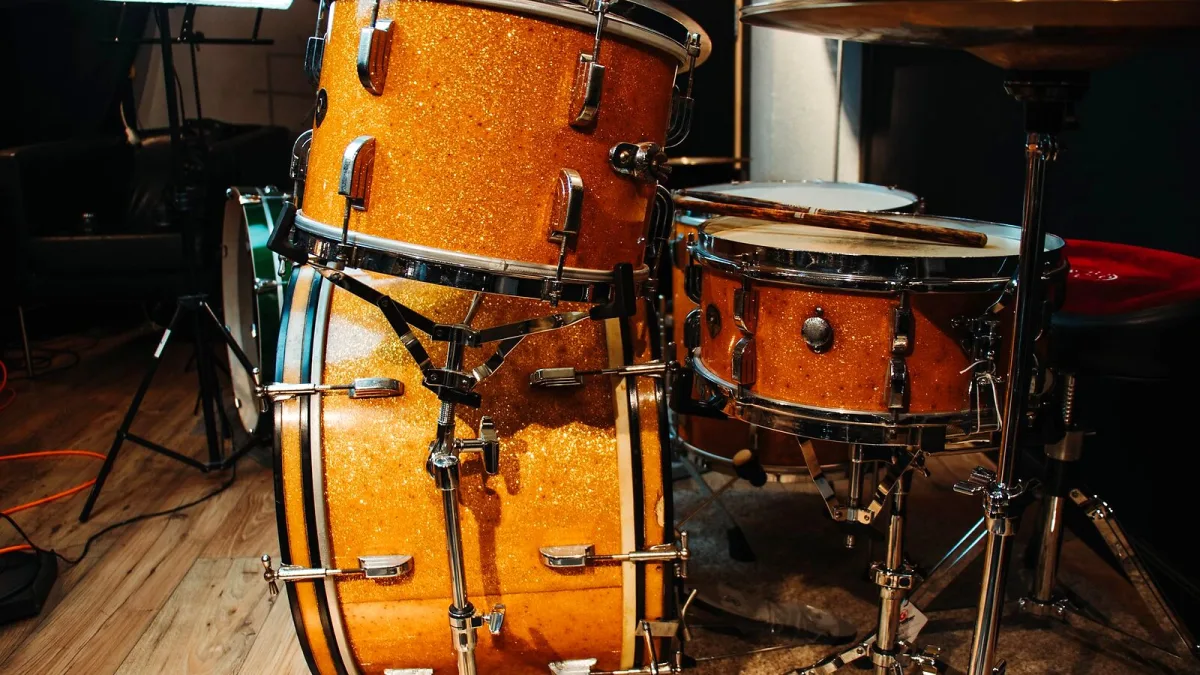
The kick drum — also called the bass drum — is the lowest-pitched and, in most genres, the most physically impactful instrument in a drum kit. It underpins the groove, defines the tempo and shapes how the entire arrangement sits in the low end. Understanding it properly, from physics through to recording and mixing, changes everything about how you work with drums.
What a Kick Drum Actually Is
In a modern drum kit, it is played with a foot-operated pedal. The drummer's foot drives a beater — typically felt, plastic or wood — against the batter head, setting the shell in motion and generating a low-frequency pressure wave. The resonant head on the far side of the shell radiates this energy outward.
Three essential elements make up its character:
- Fundamental or "body": the low-frequency note that creates weight and physical impact in a mix.
- Midrange knock or "punch": the part that keeps the drum present and audible when competing with bass, guitars and keys.
- Beater attack or "click": the high-frequency transient at the moment of impact, especially critical in metal, electronic music and dense productions.
Different genres and productions emphasize these elements differently. There is no universally correct balance.
Anatomy: Size, Shell and Head
The most common diameters in modern kits are 18, 20, 22 and 24 inches. Larger diameters generally produce a deeper, longer fundamental; smaller sizes can feel faster, tighter and more focused — useful where the arrangement is dense and a stretched, boomy sound would muddy things up.
Shell depth matters too. Deeper shells may project more and sustain longer; shallower drums can respond more quickly and suit studios where the room contribution needs to be controlled. Shell material — birch, maple, oak, steel and other metals — influences resonance and tonal emphasis, though experienced engineers often point out that heads, tuning and microphone position are more consequential in a finished recording.
Drumhead choice is significant. The resonant head (facing the audience) is often ported — a hole cut into it allows microphone access and reduces the drum's sustain, producing a more controlled, punchier tone. An unported resonant head gives a more open, resonant character. The batter head (the side you hit) can be single-ply, two-ply, coated or equipped with a built-in damping ring.
Tuning and Damping
A practical tuning procedure:
- Seat the head evenly on the shell rim and finger-tighten all lugs.
- Gradually tighten in a cross-pattern, checking evenness at each lug.
- Assess pitch near each tension rod — adjust to even out any inconsistencies.
- Set the overall batter-head tension for the desired attack character and pitch, then adjust the resonant head to balance sustain and resonance.
- Add damping only after evaluating the drum at its natural tuning.
One widely cited guide suggests exploring target fundamentals in the 40–60 Hz region, though the appropriate tuning depends heavily on genre, arrangement and the low-frequency content of the rest of the production. Higher tuning can improve definition and rebound; lower tuning emphasizes weight and power, but very loose tension may make the pitch unstable and the articulation muddy.
Damping — pillows, foam, blankets, gels or purpose-built pads — controls sustain and reduces overtones. The goal is a kick that sounds controlled and defined without sounding choked or dead.
Beater and Pedal
The beater material shapes the attack character significantly. Felt produces a rounder, warmer transient. Hard plastic, wood or composite materials create a sharper click with more high-frequency energy — useful when the attack needs to cut through a dense mix. Many drummers use two-sided beaters so they can switch character without changing the pedal setup.
Pedal mechanics affect both tone and performance. Chain-drive, belt-drive and direct-drive designs offer different feels — direct drive tends to provide the most immediate response and is popular in metal for double-kick playing. Spring tension, cam shape and beater angle all contribute to the playing feel and the consistency of the strike.
Recording Techniques
Close-microphone techniques for the kick typically involve one or two microphones:
- Inside microphone (through the port or near the batter head): emphasizes beater attack and focused punch.
- Outside microphone (in front of the resonant head): captures more shell resonance, low-end body and room interaction.
- Subkick-style microphone: captures the very low-frequency component independently from the attack, useful for blending when deep body is needed.
When using two microphones, phase and polarity compatibility must be checked. Time-aligning or polarity-inverting one microphone can either improve or degrade the combined sound — listen carefully before committing. Moving a microphone closer to the beater increases attack; positioning it toward the shell side usually increases body.
Guitar Center's engineering guidance specifically recommends checking tuning, hardware tightness and pedal mechanics before placing a single microphone. A well-prepared drum reduces the need for later processing. No EQ corrects a drum that simply isn't ready to be recorded.
EQ, Compression and the Mix Context
EQ starting points from production guides — these are ranges to explore, not fixed recipes:
- Below 30–40 Hz: remove subsonic rumble that uses headroom without contributing musically.
- 50–100 Hz: the fundamental region; boost or control based on the drum's actual low-end character.
- 200–500 Hz: often muddy or boxy; narrow cuts can open up the midrange.
- 1.5–3 kHz: midrange attack; useful for presence in rock and pop.
- 4–8 kHz: sharper click; most relevant for metal and programmed sounds.
ProSoundWeb advises that "the best way to accentuate the lows and highs is to remove some low-mids" — subtraction first, addition second. On compression, preserve the transient with a carefully set attack time rather than squashing it immediately.
The kick and bass guitar occupy overlapping low-frequency territory. Sidechain compression, dynamic EQ and frequency arrangement — giving the kick and bass complementary rather than competing fundamentals — are more effective than excessive kick processing alone.
The Role of the Kick Across Genres
What the instrument does depends entirely on the genre:
- Jazz: often played relatively lightly, supporting the ensemble without dominating it.
- Rock: reinforces the rhythmic grid and locks with the bass guitar.
- Funk and R&B: placement and syncopation are central to the groove.
- Metal: double-kick patterns and high-attack beater tones define the sound.
- Dance and electronic: the kick is the primary timekeeping and energy-generating element, often treated to be felt as much as heard.
The Bottom Line
The kick drum is a fascinating instrument: straightforward to play at a basic level, but with a depth of tuning, recording and mixing options that can occupy an engineer for a career. Get the physical setup right first — tuning, damping, beater, pedal — and the rest becomes considerably easier. Processing follows preparation.
Ready to buy? See our kick drum buyer's guide. New to all of this? Our beginner's guide starts from scratch.



Comments