


Kick Drum roundup
Kick Drum: A Complete Buyer's Guide
Shell size, head choice, pedal type — buying a kick drum involves more decisions than it looks. This guide cuts through every one of them.
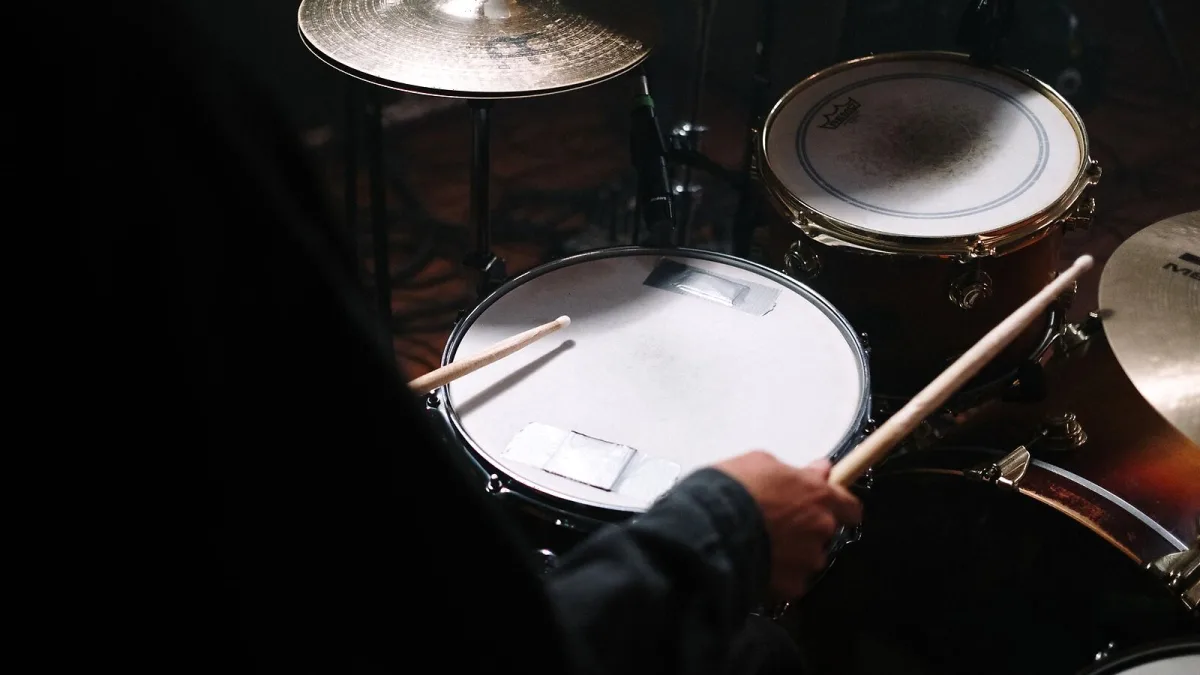
Buying a kick drum is one of those decisions where the right answer depends entirely on context. The wrong size in a small room, the wrong head for the genre, the wrong shell depth for the setup — all of these are common purchasing mistakes, and all of them are easily avoided. Here's what to check before spending.
Shell Diameter: The Starting Point
Diameter is the most fundamental spec. The standard sizes are 18, 20, 22 and 24 inches, and each has its associated character:
- 18-inch: fast, tight and compact. Popular in jazz, lighter rock and applications where portability matters.
- 20-inch: balanced between punch and depth. Works in a variety of contexts without committing to extreme low end.
- 22-inch: the standard size for most rock, pop and mainstream recording contexts. Offers the broadest compatibility with tuning approaches and recording techniques.
- 24-inch: deep and powerful. Favoured by players wanting significant low-end extension, but can be harder to manage in a small or acoustically untreated room.
Bigger isn't always better. In an untreated home studio, a 24-inch kick drum can produce more low-frequency room modes than it does useful audio.
Shell Depth and Material
Deeper shells generally project more and sustain longer. Shallower shells can respond more quickly, which suits recordings where a tight, controlled tone is needed. Shell material — birch, maple, oak, acrylic, steel or other metals — influences the tonal emphasis, but in the final mix, head choice and microphone position typically make a more audible difference.
If you're primarily a live player, a more durable hardware set and robust bearing edges are worth prioritising. If you're primarily studio-focused, the acoustic character of the shell and its interaction with the room matter more than cosmetics or hardware finishes.
Ported vs Unported Resonant Head
This decision shapes both the tone and the recording setup:
- Ported head: a circular hole, typically off-centre, allows the microphone to be placed inside the shell. This controls sustain and generally produces a punchier, drier sound. More practical for studio recording and live use where sustain needs to be managed.
- Unported head: produces a more open, resonant, live tone. Better for purist acoustic recording approaches and for genres where the kick's full natural resonance is part of the sound.
Drumhead Choices
The batter head (the one you hit) and the resonant head (the front) both contribute to tone:
- Single-ply batter heads: more open, sensitive, less durable. Suited to quieter playing and acoustic contexts.
- Two-ply batter heads: more controlled overtones, additional durability. Common choice for rock and louder playing.
- Pre-damped or built-in muffling ring: built-in damping reduces the need for after-market solutions, but limits the ability to tune freely.
Head replacement is part of normal maintenance. Budget for this — it's a consumable, not a one-off cost.
Pedal: Single, Double and Drive Type
The pedal is a separate purchase in most drum kits. Key decisions:
- Single vs double pedal: a double pedal drives two beaters from one bass drum, essential for metal and any double-kick playing. A single pedal is sufficient for most other genres.
- Drive mechanism: chain drive is robust and affordable; belt drive is quieter and more responsive; direct drive offers the most immediate response and is popular for fast technical playing. Try different types before deciding — feel is very personal.
- Footboard length and cam shape: affect leverage and playing dynamics. A longer footboard may feel more powerful; cam shape changes the response across the pedal stroke.
New vs Second-Hand
Second-hand acoustic drums can represent excellent value, particularly for shells and hardware. Check:
- Bearing edges — chips or damage affect head seating and tuning stability.
- Shell roundness — warped shells can cause persistent tuning problems.
- Hardware condition — lugs, tension rods and hoops should operate smoothly.
- Head condition — factor in the cost of replacement heads.
A well-made but worn shell from a reputable manufacturer, fitted with fresh heads, often outperforms a new budget shell.
Electronic Kick Pads
For applications where acoustic volume is impractical — home practice, apartment living, small studios — electronic trigger pads and drum modules offer a different set of trade-offs. Modern high-quality triggers can produce very convincing sampled or synthesized kick sounds, but the feel and rebound of an acoustic batter head are difficult to fully replicate. If live performance or acoustic recording is ultimately the goal, developing on acoustic equipment avoids building habits that don't transfer.
Budget Allocation
Across a drum budget, the kick drum shell, batter head and pedal are where investment pays off most directly. A quality shell with modest hardware and fresh heads will often sound better than a flashy kit with worn or cheap heads. Pedal quality matters enormously for double-kick technique and high-speed playing — it's not the place to cut corners if performance is the goal.
The Verdict
Matching the kick drum to the room size, the genre, the recording setup and the playing style is the entire job. Start with the right diameter, choose heads that suit the sound you're after, invest in a pedal that fits your technique, and don't underestimate the value of a fresh set of heads on a quality used shell. The drum itself is only part of the sound.
For a complete technical overview, see our ultimate guide to kick drums. For the best options at different price points, see the best kick drums for the money.




Comments