


Djembes Drums roundup
Djembes Drums: A Complete Buyer's Guide
Everything worth weighing up before buying a djembe, from shell and head material to tuning systems, sizing and honest sourcing questions.
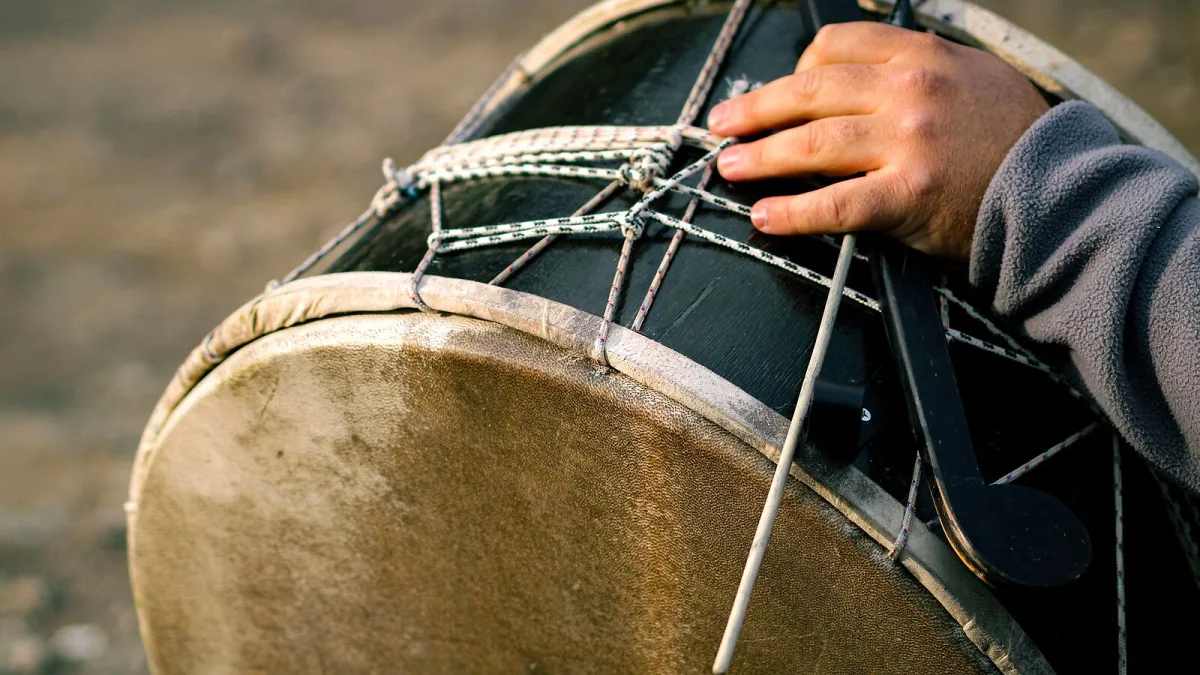
Buying your first djembe throws up more decisions than you'd expect from what looks like a simple carved drum. Shell wood, head material, tuning system, size, weight, and even where the thing was actually made and how the goatskin was sourced — it all genuinely affects how it sounds and how much hassle you'll have keeping it in tune. Let's get into the specifics.
Shell Construction: What You're Actually Buying
A traditional djembe shell is carved from a single piece of hardwood — lenké and iroko come up a lot in West African construction, while mahogany is more common on commercially made instruments elsewhere. Denser, well-carved shells tend to project further and sustain longer, but a heavier shell isn't automatically a better one; it just means more weight to carry around. Some modern manufacturers, Remo being the best-known example with its Acousticon-shell range, use synthetic shell materials instead, aimed at consistent performance without the weight or humidity sensitivity of solid wood.
Head Material: Goatskin or Synthetic?
The head is arguably the single biggest factor in how a djembe actually sounds and feels under your hands, so it's worth weighing up properly before anything else.
| Goatskin | Synthetic | |
|---|---|---|
| Tone | Complex, lively, strong contrast between bass/tone/slap | More consistent, sometimes slightly stiffer |
| Weather sensitivity | Reacts to humidity and temperature | Much more stable outdoors |
| Maintenance | Needs careful handling, periodic retuning | Low maintenance |
| Best suited to | Serious study, indoor playing, experienced players | Schools, drum circles, outdoor use, beginners |
Neither option is simply "better" — it's a genuine trade-off between acoustic character and practicality. If you're planning to play indoors regularly and want to develop real technique, goatskin rewards the effort. If the drum's going to live in a classroom, a scout hut or the back of a car, synthetic will save you a lot of grief.
Tuning System
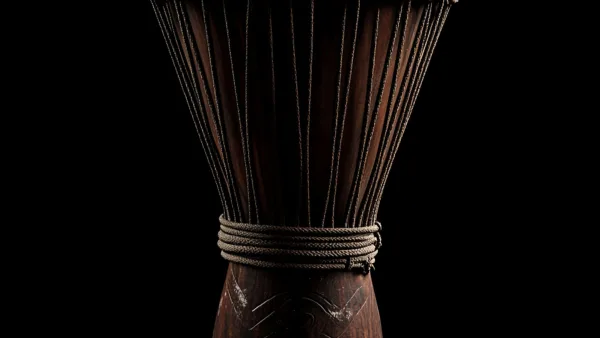
How you'll actually keep a djembe in tune matters just as much as what it's made from. Most traditional and many commercial djembes use rope tuning: vertical ropes running between two metal hoops, sometimes reinforced with horizontal "Mali weave" lacing for extra tension and a more even head. Rope tuning is adjustable and repairable almost anywhere, but it takes a bit of learning to do properly and safely. Some synthetic and school-oriented models use mechanical tuning lugs instead, which are quicker to adjust but less traditional in both look and feel. Neither is wrong — think about how often you'll realistically want to retune, and how confident you feel doing it by hand.
Size and Who It's For
Commercial djembes are usually sized by head diameter, roughly in the 8–14 inch range, though this varies by maker. As a rough guide:
- Smaller drums suit children, beginners and anyone prioritising portability — they respond quickly, if with less low-end power.
- Larger drums deliver more bass and volume, but they're heavier to carry and can be a stretch for smaller hands or younger players.
- Mid-sized drums are the sensible default for most adult buyers who aren't sure yet exactly what they need.
Brands Worth Knowing
A handful of manufacturers come up repeatedly when you're shopping: Remo and Meinl both produce ranges spanning traditional rope-tuned models through to synthetic, weather-resistant options; Toca offers djembes pitched at beginner, intermediate and professional levels; and LP (Latin Percussion) makes hand percussion aimed at educational and ensemble use. Beyond the big manufacturers, plenty of excellent djembes come from specialist carvers and drum builders, in West Africa and elsewhere, working outside the mass-market brand names entirely. A well-known name is a reasonable shortcut to consistency, not a guarantee of quality on its own.
Asking the Right Questions About Sourcing
Because a traditional djembe is made from carved hardwood and animal skin, it's worth actually asking a few questions before you buy, rather than trusting words like "authentic" or "traditional" at face value:
- Who made the drum, and where?
- Was the wood legally and sustainably sourced?
- Is the goatskin legally sourced?
- Does the listing accurately state the wood, country of manufacture and tuning system, rather than vague marketing language?
A seller who can answer these clearly is generally a seller worth buying from.
Broad Price Tiers to Expect
Without pinning a figure on it, since prices shift by retailer and region, it helps to think of the market in rough tiers. At the entry level you'll typically find smaller, synthetic-shell instruments aimed at schools and first-time buyers. The mid tier covers solid rope-tuned drums with a real hardwood shell and a goatskin head, built for regular practice rather than occasional use. At the top end sit instruments from named specialist makers or established lineages, where craftsmanship, provenance and sound quality all carry a premium. A higher price on a djembe should buy you better wood, a cleaner bearing edge and more even tuning — not just a fancier-looking finish.
Buying a Second-Hand Djembe
A used djembe can be excellent value, provided you check it properly first. Look closely at the head for thinning, tears or uneven stretching, run your hand around the bearing edge to feel for splits or roughness, and inspect the rope for fraying or rot. Ask when it was last retuned and how it's been stored — a drum kept somewhere damp or left in direct sun for long periods is far more likely to have problems than one that's been cared for indoors. If you can, play all three sounds — bass, tone and slap — before you buy, since a tired head often loses its slap first.
Before You Commit
If you're brand new to the instrument, it's worth reading our complete guide to what a djembe actually is first, so the terminology above makes full sense. Once you've narrowed things down, our round-up of the best options by use case can help you match a specific type of drum to what you'll actually be doing with it, whether that's a school music room or a serious weekly ensemble class.
Match your djembe's shell, head and tuning system to how and where you'll actually play it, buy from someone who can answer the sourcing questions honestly, and you'll end up with a djembe that's genuinely suited to you rather than just the loudest one in the shop.



Comments