


Pearl Tom Toms roundup
Pearl Tom Toms: A Complete Buyer's Guide
Sizes, shell tiers, mounts and heads — the honest, no-hype version of what to check before you buy Pearl tom toms.
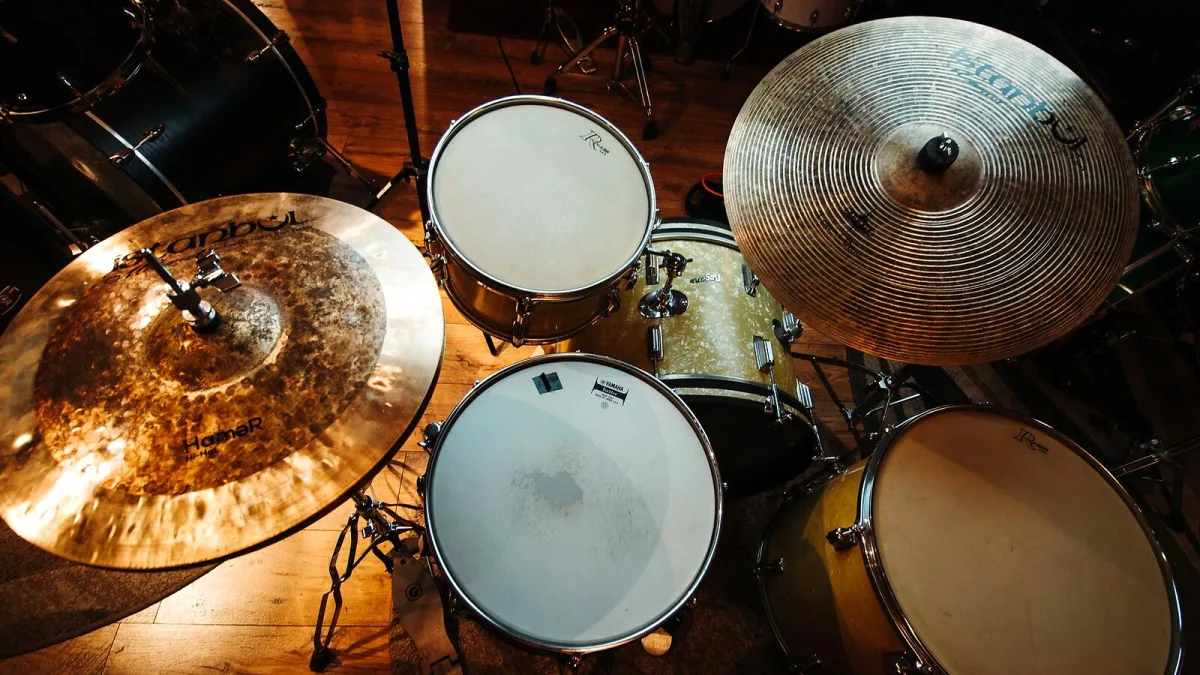
Right, so you've decided you need new toms — or your first kit — and you've landed on Pearl. Good instinct: Pearl tom toms cover pretty much every budget and every style of playing. But the range is big, and the spec sheets throw a lot of unfamiliar terms at you. Here's the honest, no-nonsense version of what actually matters before you hand over any money, and what you can safely ignore.
Start With What You're Actually Trying to Do
Before you look at a single spec, be honest about the gig. A function-band drummer gigging three nights a week wants durability and an easy carry. A home player recording quietly wants tone and control over volume. A metal player wants toms that cut through a wall of guitars. Pearl tom toms serve all three, but not with the same model — so decide this first, because it will save you chasing features you'll never use.
Sizes: Match the Toms to the Kit You've Got
Pearl states sizes as diameter by depth in inches, so a 12 × 8 tom is 12 inches across and 8 deep. If you're adding toms to an existing kit rather than buying a full set, measure what you've already got and buy to match, not just to a size that "sounds about right" on paper. A common all-purpose spread is a 10-inch and 12-inch rack tom with a 16-inch floor tom; heavier styles often add an 8-inch up top or a second floor tom for a bigger low end. Our overview of Pearl tom toms has a full size table if you want the detail before you shop.
Shell Material and Where Your Budget Sits
This is the single biggest thing separating one Pearl range from another.
| Tier | Shell | What you're paying for |
|---|---|---|
| Entry-level | Poplar / Asian mahogany (Export) | An honest, capable working drum at an accessible price |
| Mid-range | Maple, maple/gum hybrids (Masters Maple, Masters Maple Gum) | Balanced tone, better hardware, more finish choices |
| Premium | Pure maple, acrylic (Masters Maple Pure, Crystal Beat) | Refined tone or a distinctive, cutting acrylic voice |
| Custom | Built-to-order (Masterworks) | Total control over shell, finish and configuration |
Don't assume the most expensive shell is automatically "better" for you — a poplar-shell Export tom, well tuned and well mounted, will out-perform a premium shell that's been badly set up. If you want the specific pick-by-tier version of this table, see the best options for the money.
Check the Mounting Hardware, Not Just the Shell
This is the bit buyers skip, and shouldn't. How a tom is held affects how freely it resonates. Pearl's higher-end rack toms use the R2 Air suspension system with a GyroLock-L holder arm, designed to keep the shell largely free of contact points. Other ranges use OptiMount or the triangular Opti-Loc system, which isolates the shell with rubber mounts at three points. If a tom sounds dull or "choked" in a shop, don't blame the shell straight away — check whether the mount is crushing it first.
Heads: Budget for a Head Change
Stock heads are fine to start, but they're rarely the best possible match for your style. Clear heads give an open, projecting attack; coated heads soften the attack and calm overtones; two-ply heads add durability and control for heavier playing. If your new toms will get regular gigging use, it's worth setting a little budget aside for a head swap once you know how you want them to sound.
Finishes and Extras: What You Can Safely Ignore
A lacquer finish versus a wrap finish is almost entirely cosmetic — it won't meaningfully change the tone, so choose whichever you'll enjoy looking at for the next decade and spend your budget elsewhere. The same goes for bundled hardware packs that throw in extra cymbal arms or mounts you don't need: useful if you're missing them, dead weight on the invoice if you're not. Don't let either of these sway a decision that should really come down to shell tier and mounting system.
Buying Add-On Toms vs a Complete Kit
If you already own a Pearl kit, buy add-on toms in the same series where you can — shell material, bearing edge and finish will match, and the mounting hardware is far more likely to be compatible. If you're starting from nothing, a boxed kit is almost always better value than assembling toms individually, and it guarantees everything is designed to work together from the outset. Where possible, try before you buy: a shop demo tells you far more about how a tom actually feels under the stick than any spec sheet ever will.
Before You Buy: A Quick Checklist
- Sizes that suit your genre and the space you play in
- Shell material that matches your budget and tonal preference
- A mounting system that won't choke the shell's resonance
- Heads you're prepared to change if the stock set doesn't suit you
- Compatibility with any kit you already own, if you're adding rather than replacing
Once you've made your decision, our guide to setting them up properly will get them sounding right from the first session, and it's worth skimming the mistakes drummers commonly make so you don't repeat them. First-timers should also see our beginner's guide to Pearl tom toms before committing to a spec.
The Honest Bottom Line
There's no single "best" choice among Pearl tom toms — only the right choice for your budget, your genre and what you already own. Get the size and mount right, be realistic about the shell tier you actually need, and leave a little budget spare for heads. Do that and you won't be disappointed with whichever tier you land on.




Comments