


Pearl Tom Toms guide
How to Set Up and Use Pearl Tom Toms
Mount it right, angle it right, tune it right — a proper step-by-step process for getting Pearl tom toms sounding the way they should.
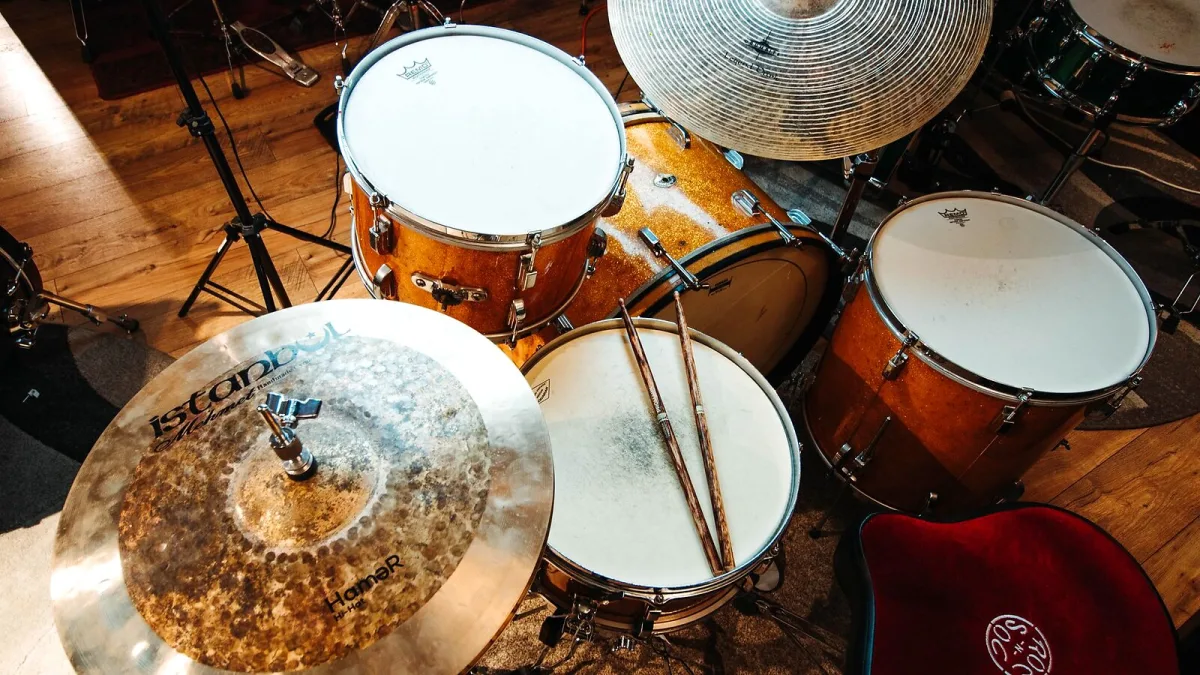
A tom that's mounted badly or tuned in a hurry never sounds like it should, no matter how good the drum actually is. This is a proper, step-by-step walk-through for getting Pearl tom toms mounted, positioned and tuned correctly — the same process whether you're setting up a brand-new kit or finally sorting out toms that have never quite sounded right. It takes longer to read than to actually do once you know the order of operations.
What You'll Need
- A drum key
- The tom's mounting hardware (holder arm, suspension bracket or floor-tom legs)
- A cloth or soft surface to rest the shell on while you work
- A little patience — rushing tuning is the most common way to waste a good drum
- Your ears, or a clip-on drum tuner if you'd rather have a number to aim for
Setting Up Your Pearl Tom Toms Step by Step
- Mount the tom securely. For a rack tom, attach the holder arm or suspension bracket to the bass drum mount or a cymbal stand, keeping contact with the shell itself to a minimum. For a floor tom, fit the legs evenly and check the drum sits level.
- Set the angle. Tilt the tom just enough that the stick strikes the head cleanly without your wrist twisting awkwardly. Too steep an angle causes glancing hits and uneven wear on the head.
- Position it within reach. Rack toms should sit close enough that you can move from the snare to the tom without lifting your arms excessively. A tom that's too far away will quietly wreck your fills.
- Check for contact points. Make sure the shell isn't touching the bass drum hoop, a cymbal stand or a rack tube anywhere. Any unwanted contact dampens the drum and shortens its sustain.
- Seat both heads evenly. Loosen the resonant (bottom) and batter (top, playing-side) heads, then finger-tighten every tension rod so each head sits flat and even on the shell before you use the key.
- Tune in a crosswise pattern. Working with the drum key, tighten opposite pairs of tension rods in a star pattern rather than moving round the shell in a circle. This brings the head up to pitch evenly, rather than pulling it lopsided.
- Even out the pitch at each lug. Tap the head gently near each rod and listen. Small, uneven adjustments here make a bigger difference than one more full turn on every rod.
- Tune the resonant head for sustain, then the batter head for attack. The bottom head shapes how long the note rings on; the top head shapes how the stick feels and how sharp the attack sounds.
- Test it in position, not on a bench. A tom that sounds great lying flat on a table can sound completely different mounted at an angle on the kit. Always do your final check sitting at the kit, playing normally.
Getting the Tuning Right for Your Style
There's no single correct pitch for a Pearl tom — only what suits the music. A smaller interval between toms gives a modern, melodic feel; a wider interval gives dramatic, obvious pitch movement through a fill. Whatever interval you choose, keep the lowest tom tight enough to hold a stable note — tune it too low and it turns loose and papery instead of deep. If you're still deciding what size combination to build towards, our overview of Pearl tom toms covers the standard size options in detail.
How Long Should This Actually Take?
For a tom that's already roughly in tune, a careful re-tune takes five to ten minutes once you're used to the crosswise pattern. Setting up a brand-new tom from scratch — mounting, seating both heads and tuning properly for the first time — is closer to fifteen to twenty minutes per drum. That's worth knowing before you start, so you don't rush the last few tension rods just because it's taking longer than you expected.
Troubleshooting Common Setup Problems
- The tom sounds choked or dead: check the mount first — a suspension bracket clamped too tightly can crush the shell's ability to vibrate. Loosen it slightly and re-test.
- One area of the head rings differently: that's an uneven tuning, not a faulty drum. Go back round the crosswise pattern and correct the odd lug.
- The floor tom rattles: check the legs are seated evenly and the drum isn't resting against anything nearby.
- The pitch drifts during a gig: heads bed in over the first few sessions. A quick re-check before each show for the first month or two is normal, not a fault.
- The rack tom buzzes against the bass drum: a shell edge resting on the bass drum hoop will buzz on every hit. Reposition the holder arm so there's clear space all round the shell.
If you're setting up toms you've only just bought, it's worth reading common mistakes to avoid alongside this guide — several of them happen right at the setup stage. And if you're still choosing which model to buy, see our complete buyer's guide and our beginner's guide first.
The Bottom Line
Setting up Pearl tom toms properly isn't complicated, but it does reward patience: a secure, contact-free mount, an even angle, and a proper crosswise tuning pattern will get far more out of any tom than chasing a more expensive shell ever will. Get the process right once, and every re-tune after that takes minutes rather than an evening.





Comments