


Pearl Tom Toms article
Common Pearl Tom Toms Mistakes to Avoid
Most tom problems trace back to setup, not the drum. Here are the mistakes that come up again and again with Pearl tom toms, and how to fix them.
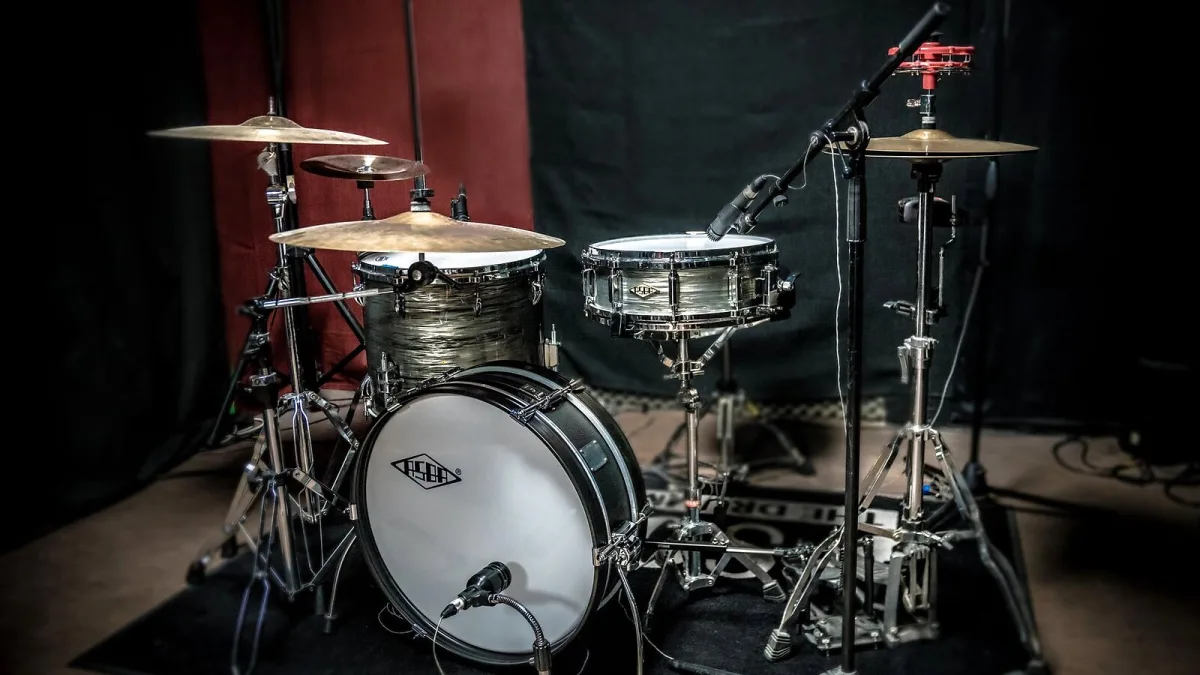
Most tom problems have nothing to do with the drum itself. After enough time behind a desk listening to bands soundcheck, you start noticing the same handful of errors turning up on kit after kit. Here are the ones that come up most often with Pearl tom toms, and the quick fixes for each.
Mistake 1: Buying on Size Alone
Picking a tom purely because "12-inch is standard" ignores the drum you're actually adding it to. A new tom bought without checking shell material, bearing edge and finish against your existing kit can look and sound like it doesn't belong, even at the right diameter. Match the series, not just the size, wherever you can — our buyer's guide to Pearl tom toms covers exactly what to check.
Mistake 2: Ignoring the Mount
This is the big one. A suspension bracket or holder arm clamped too tightly presses against the shell and quietly chokes the resonance out of an otherwise excellent drum. Plenty of players blame the shell or the heads when the real culprit is a mount that's simply too tight. Loosen it slightly and listen again before you change anything else.
Mistake 3: Tuning Round in a Circle Instead of Crosswise
Working round the tension rods one after another in order pulls the head unevenly, because each turn affects the rods either side of it. The fix is a crosswise, star-shaped pattern — tighten opposite pairs, not neighbours. Our full step-by-step setup guide walks through the whole tuning sequence properly.
Mistake 4: Letting the Shell Touch Other Hardware
A tom resting against the bass drum hoop, a nearby cymbal stand or a rack tube will sound dull and short no matter how well it's tuned. Any unwanted contact damps the shell's vibration. Check round the whole drum, not just the mount, before assuming the drum itself is at fault.
Mistake 5: Using the Wrong Heads for the Job
A single-ply clear head that's perfect for open, jazzy playing will often sound thin and uncontrolled under heavy rock or metal playing, and a heavily muffled head can sound lifeless in a quieter setting. There's no universally "best" head — only the right head for your style. If your toms have never sounded quite right, the heads are worth reconsidering before the drum itself.
Mistake 6: Never Listening From the Room
A tom that sounds huge sitting right behind the kit can sound weak, or oddly boomy, out in the room or through a microphone. Get a bandmate to play while you listen from where the audience stands, or record a quick pass on your phone. Judging tone only from the drummer's seat is one of the easiest mistakes to make and one of the quickest to fix.
Mistake 7: Overlooking the Floor Tom
Rack toms get all the attention because they're right in front of you, but a poorly tuned or badly positioned floor tom drags down the whole kit's low end. Give it the same care over legs, angle and crosswise tuning that you'd give any rack tom — it's doing just as much work.
Mistake 8: Expecting Brand-New Heads to Hold Pitch Straight Away
Fresh heads stretch and settle over their first few sessions, so a tom that was perfectly tuned last night can drift by the following rehearsal. That isn't a fault with the drum or the heads — it's normal bedding-in. Expect to re-check pitch a little more often for the first couple of weeks, then leave it alone once it stabilises.
Mistake 9: Leaving Toms Somewhere Hot, Cold or Damp
A shell left in a hot car boot, a cold van overnight or a damp garage will move slightly as it reacts to the change in temperature and humidity, which shows up as tuning that won't quite settle. Store toms somewhere reasonably stable between gigs, and give them a few minutes to acclimatise to the room before you tune, especially after a journey in extreme weather.
Quick Checklist: Have You Made Any of These?
- Bought purely on diameter, without checking shell, edge or finish match
- Never checked whether the mount is pressing against the shell
- Tuned round the lugs in a circle instead of a crosswise pattern
- Left the shell touching a hoop, stand or rack tube
- Never matched the heads to the style of music being played
- Only judged tone from the drum stool, never from the room
- Given the floor tom less attention than the rack toms
- Expected brand-new heads to hold pitch from the first hit
- Stored a tom somewhere very hot, cold or damp between gigs
If more than one or two of those sound familiar, don't worry — they're common precisely because they're easy to fall into, and every one of them is a quick fix rather than a reason to blame the drum.
Getting It Right
Nearly every one of these mistakes traces back to setup rather than the drum itself, which is genuinely good news — they're all fixable in minutes, not pounds. If you're building up from scratch, our beginner's guide and our overview of Pearl tom toms are both worth reading before you touch a drum key, and our round-up of the best options for the money will help if the mistake was buying the wrong tier in the first place.
The Bottom Line
Most Pearl tom toms that "just don't sound right" haven't failed — they've been mounted too tightly, tuned unevenly, or left touching something they shouldn't. Work through this list before you spend another penny, and you'll likely find the drum you already own was fine all along.





Comments