


Cowbell roundup
The Best Cowbells for the Money
Which type and tier of cowbell actually earns its money for drum kit, Latin styles, a tight budget and the studio.
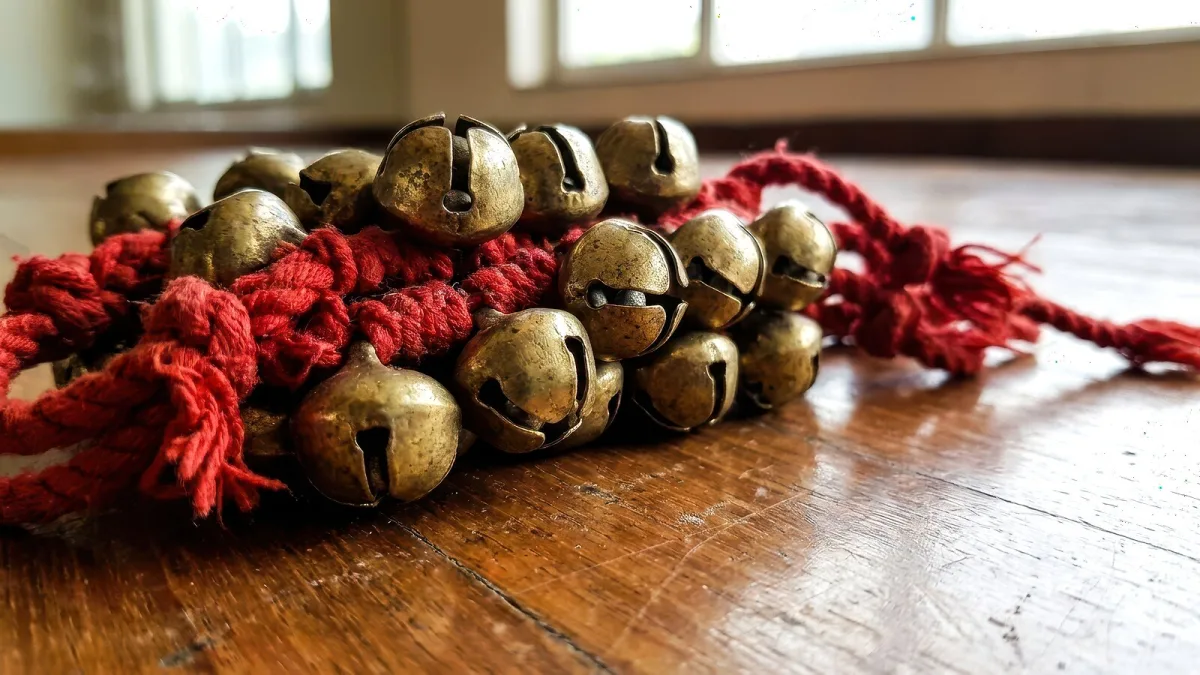
There's no single "best" cowbell — there's a best cowbell for what you're actually playing. Rather than chase a specific model number, it's more useful to know which tier and type genuinely earns its money for each job. Here's how I'd spend, category by category.
Best All-Rounder: A Mid-Size Steel Bell
If you only want one and you're not sure yet what you'll mostly use it for, a mid-size steel shell is the sensible default. It sits between the extremes: bright enough to cut through a mix, not so small it sounds thin, and not so large it dominates every hit. This is the tier most session and function-band players reach for first, and for good reason — it covers a genuinely wide range of styles without compromising badly on any of them.
Best for Drum-Kit Players: A Rack-Ready, Pre-Mounted Bell
For anyone bolting a cowbell onto an existing kit, paying a little extra for a model that comes with proper mounting hardware built in is worth every penny. Cheaper bells that lack decent hardware end up rattling loose mid-song or clamped on with whatever's lying around, which does the sound no favours at all. Look for a bracket that lets you angle the bell exactly where your wrist naturally falls.
Best for Latin Styles: A Campana-Style Bell
Players working in salsa, mambo or other Afro-Cuban styles are better served by a campana-style bell chosen for a specific pitch and playing zone, often paired with a second, contrasting bell for pattern variety. These tend to cost a bit more than a generic drum-kit cowbell, but the payoff is a genuinely distinct edge and centre tone that generic models rarely offer, which matters a great deal in a style built around precise bell patterns.
Best Budget Pick: Synthetic Construction
If money's tight, a synthetic-shell cowbell gets you playing for noticeably less than a comparable metal one, and it holds up to knocks better into the bargain. You do trade away some of that classic cutting metallic edge, but for practice, rehearsal or a first purchase while you work out what you actually need, it's genuinely good value rather than a compromise you'll regret.
Best for Recording: Controlled Overtones, Predictable Sustain
In a studio setting, a bell with more controlled overtones and shorter sustain is usually easier to sit in a mix than a wilder, more resonant one, since a cowbell's transient and ring can otherwise fight for space with cymbals and vocals. This is one case where a slightly less exciting-sounding bell in isolation can be the better-value choice once it's actually sitting in a finished track. Our full explainer goes into how size and material shape that tone if you want the fuller picture.
Where Not to Skimp
Whatever tier of cowbell you're buying into, don't cut corners on mounting hardware or basic build quality — a loose bracket or a badly welded shell will cost you more in frustration than you saved on the purchase. Our buyer's guide covers exactly what to check on any listing before you commit.
The Bottom Line
The best-value choice depends entirely on the job: a mid-size steel bell for general use, a pre-mounted option for drum kits, a campana-style bell for Latin styles, synthetic for a tight budget, and something with controlled overtones for recording. Match the tier to the task and you'll end up with genuinely good value rather than the wrong bell for the right price. New players should also take a look at our beginner's guide before spending anything at all.





Comments