


Cowbell article
Common Cowbell Mistakes to Avoid
The recurring habits that cause most cowbell frustration, and the quick fix for each, from beater choice to mixing.
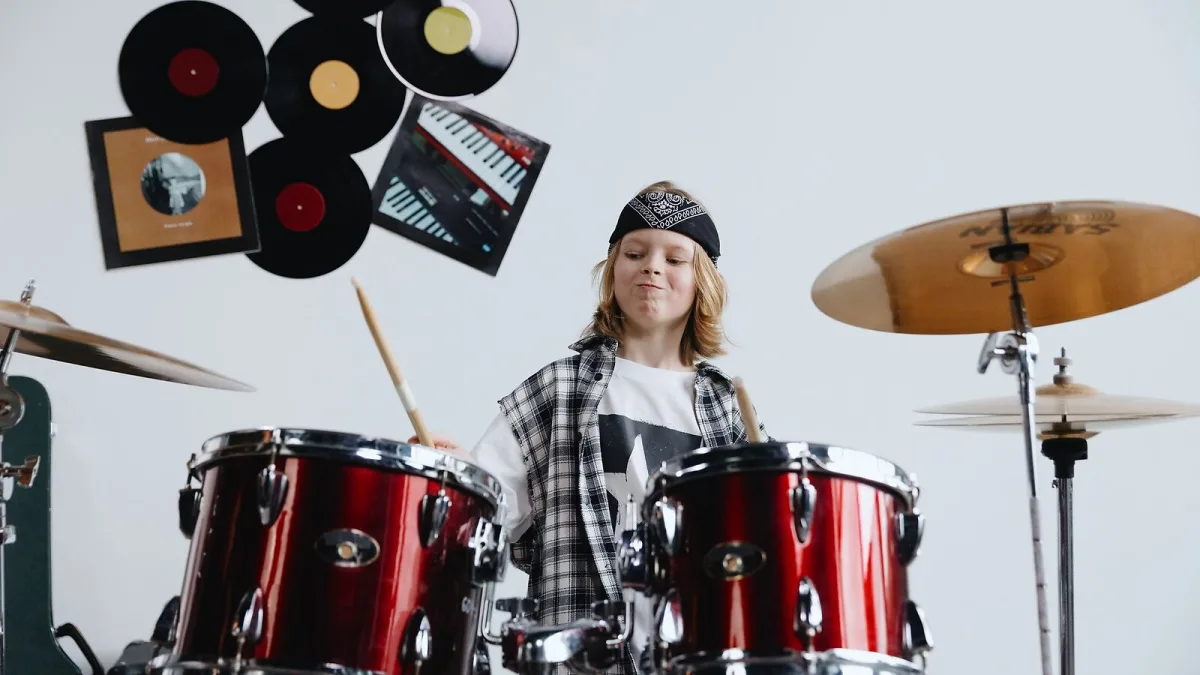
The cowbell looks foolproof — a lump of metal and a stick, what could go wrong? Quite a lot, actually, and most of it comes down to a handful of repeated habits rather than the instrument itself. Here's what I see going wrong most often, and the quick fix for each.
Using a Metal Beater
Reaching for something metal because "it's already metal, so why not" is a genuinely common instinct, and a bad one. A metal beater can dent the shell, produce an excessively harsh transient, and in some cases is simply unsafe to swing at speed. Stick to wood-tip or nylon-tip drumsticks, rods or mallets, all of which are designed to strike a shell without damaging it.
Striking Every Note at Full Force
A cowbell has a genuinely concentrated, cutting attack, so hitting every note as hard as possible doesn't make it more exciting — it makes it exhausting to listen to and leaves you with no dynamic range at all. Leave space, vary your force between notes, and let a few well-placed accents do the work that constant maximum volume can't.
Ignoring the Playing Zones
Most bells offer genuinely different tones depending on where you strike them: brighter and sharper near the open mouth, fuller and lower toward the body. Treating the whole shell as one uniform surface throws away a huge amount of the instrument's actual character. Spend ten minutes just exploring where the useful contrasts sit on your specific bell before you settle into a habit.
Mounting It Somewhere Awkward
A cowbell positioned at an angle that forces your wrist into an unnatural twist will tire you out fast and make accurate playing genuinely harder than it needs to be. Take the time to angle the mount so a natural, relaxed stroke lands squarely on the bell, rather than adapting your technique to fight a badly placed mount.
Confusing Cowbell Patterns With Clave
This one's more of a conceptual trap than a technical one. Clave is a rhythmic organising principle in Afro-Cuban music; a cowbell, or campana, is an instrument playing a pattern that relates to that principle without being identical to it. Treating the two as interchangeable terms will confuse your understanding of the style, and it shows in how a part is played, not just how it's described.
Over-Processing It in the Mix
In a recording context, it's tempting to reach for heavy compression or generous reverb because the instrument is loud and prominent. In practice, its transient attack is often the entire point, and both heavy compression and excessive reverb can blur exactly what makes a cowbell part cut through. A small cut to harsh upper-midrange frequencies, applied sparingly, usually does more good than aggressive processing.
Treating It Like a Loud Hi-Hat
A cowbell and a hi-hat might occupy a similar rhythmic role in some grooves, but their attack, sustain and frequency content are genuinely different. Playing constant, evenly weighted subdivisions the way you might on a hi-hat usually sounds relentless rather than groovy on a bell. Give it space, use it for accents and pattern, and resist the urge to fill every gap.
The Bottom Line
Almost every frustration people have with a cowbell comes down to the beater, the force, the playing zone, the mount, a conceptual mix-up with clave, or over-processing in a mix — not the instrument itself. Fix the habit, and a cowbell does exactly what it's built to do. If you're just starting out, our beginner's guide builds good habits from the start, and our full explainer is worth a read for the fuller technical picture behind these fixes.



Comments