


Cowbell roundup
Cowbell: A Complete Buyer's Guide
The honest version of what matters when buying a cowbell: shell material, size, mounting, and whether you need more than one.
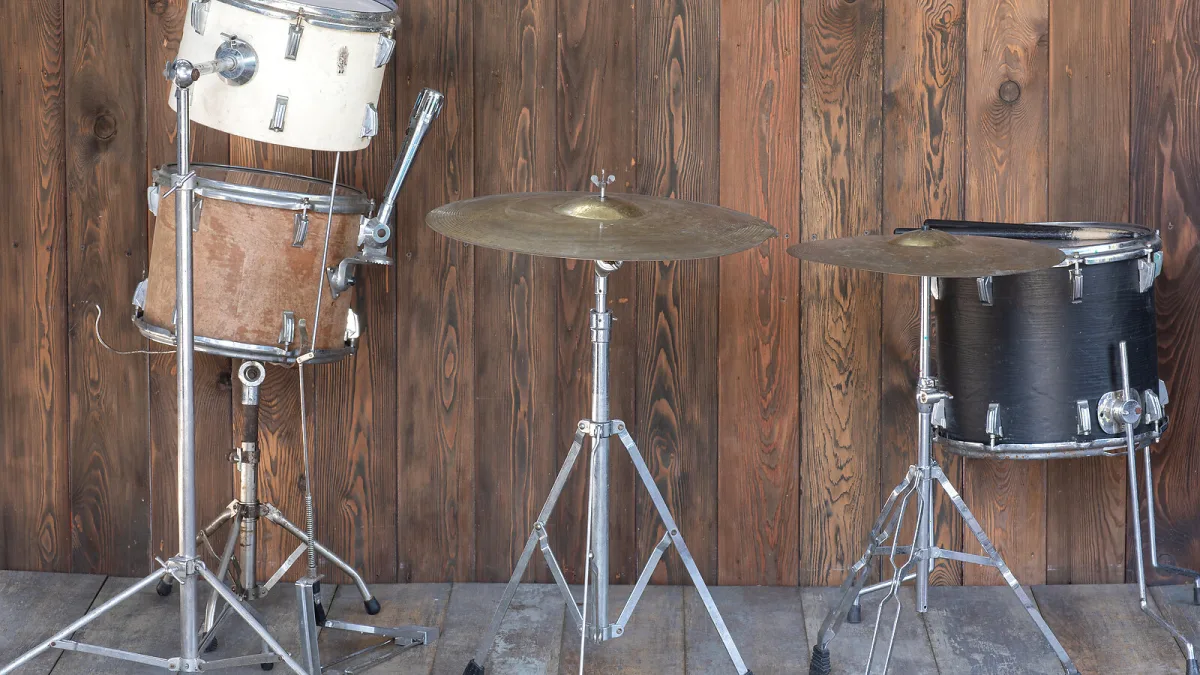
A decent cowbell costs less than a pair of drumsticks, but the wrong cowbell can sound thin, get in your way, or just annoy the drummer sat next to it. Here's the honest version of what actually matters before you buy one.
Decide What You're Actually Using It For
A drum-kit player mostly needs one bell, mounted somewhere it can be reached without breaking the groove. A Latin percussionist playing campana patterns often wants a specific pitch and playing zone to match the ensemble. A producer building a beat just needs something that sits well in a mix. Work out which one you are before you start comparing shells, because it changes everything else on this list.
Metal or Synthetic?
Metal shells, usually steel or brass, give you the classic cutting, resonant attack most people picture when they think "cowbell." Synthetic shells trade a bit of that edge for durability and more controlled overtones — useful if you're gigging hard and don't want dents, or recording somewhere that a slightly less harsh top end actually helps.
Neither is objectively better. It's a genuine trade-off between classic bite and practical control, and it's worth trying both before assuming a metal cowbell is automatically the "proper" choice.
Size: Bigger Isn't Just Louder
Small bells sound higher and more pointed; large ones sound lower and broader. That's the general rule, though shape and shell thickness can outweigh size alone, so don't buy purely off a stated dimension. If you can, hit a few in person before buying, because two bells the same size can sound genuinely different depending on how they're formed.
Mounting: How Will It Actually Attach?
This trips people up more than tone does. Check what you're actually buying a mount for:
- A dedicated cowbell stand, if it's a standalone setup
- A bass-drum hoop clamp, for a quick drum-kit addition
- A percussion rack mount, if you're already running one
- A bracket that clamps to an existing stand or drum
Buy the bell and the mount as one decision, not two. A brilliant-sounding bell with no sensible way to position it near your kit is just a drawer ornament.
What to Check Before You Buy
| Check | Why it matters |
|---|---|
| Metal vs synthetic | Sets the basic character of the attack |
| Size | Rough guide to pitch, but not the whole story |
| Playing zones | Edge, side and centre often sound genuinely different on the same shell |
| Mounting hardware included | Cheaper models sometimes leave this out entirely |
| Finish and welds | Rough edges or poor welds can affect durability and comfort |
Do You Need More Than One?
If you're covering multiple styles, a small high cowbell and a larger low one gives you genuine range without cluttering your setup with five bells you'll never use. Most players are better off with two well-chosen sizes than a whole shelf of similar-sounding options.
On price, a basic drum-kit cowbell is genuinely inexpensive, so there's rarely a good reason to buy the very cheapest option available if a slightly better one is only a few pounds more. Where the cost climbs is in premium metal construction, specialist Latin campana models and multi-bell mounted setups aimed at working percussionists.
Once you've got one and want to start actually playing it, our beginner's guide is the natural next stop, and our full explainer covers the history and styles behind it if you're curious.The Bottom Line
Buying one comes down to three honest questions: metal or synthetic, what size actually suits your music, and how you'll mount it on your kit or stand. Get those right and you'll spend less time fiddling and more time playing. If you want specific recommendations by budget and use case, our best-value roundup breaks it down further.



Comments