


Celesta roundup
The Best Celestas for the Money
This isn't a market with a shelf of rivals to rank. Here's an honest breakdown of what's worth your money instead.

"Best celesta for the money" usually implies comparing a shelf of competing products. That's not really how this market works, so instead of pretending there's a big lineup of celestas to rank, here's an honest breakdown of the routes actually worth your money, sorted by who you are and what you're trying to do.
Tier One: You Need a Real Acoustic Celesta
If you're an orchestra, conservatoire, opera house or serious percussion department, the value calculation for a celesta is completely different from anyone else reading this. Schiedmayer's traditional felt-hammer, steel-plate celesta represents the classic construction still in production, and Yamaha's professional celesta models offer an alternative build and action for institutions weighing up options. At this level, "best for the money" really means best for the long haul: build quality, tuning stability and the maker's ongoing servicing support matter more than shaving a bit off the upfront cost.
Tier Two: You Need One Occasionally, Not Permanently
For a single production, a concert season or a one-off recording session, renting from a specialist supplier is very often the smartest money on this entire list. You get access to a properly maintained, professionally regulated instrument without carrying the ongoing cost of servicing, storage and insurance for something that might sit unused for months at a time. This is the tier most working composers, arrangers and smaller ensembles actually land in once they think it through properly. Work out how many sessions or performances you genuinely need it for across a year, then compare that honestly against the ownership costs in the tier above — for the vast majority of people, the maths comes out firmly in favour of hiring.
Tier Three: You Need the Celesta Sound, Not the Hardware
For production, composition, scoring and practice, a good sampled celesta library or a quality built-in keyboard patch is genuinely the best value available, full stop. The gap between a convincing digital version and an unconvincing one comes down to velocity layers, round-robin sample variation, and whether the decay and resonance actually feel natural rather than clipped. A cheap patch that's obviously synthetic isn't a bargain; a well-sampled library at a moderate price beats it every time and will get you 90% of the way to the real thing for a fraction of the cost, effort and space. Read a few honest reviews or, better still, listen to demo audio before buying, since marketing copy for these libraries tends to oversell realism far more consistently than the actual product delivers.
Tier Four: You're a Student or Hobbyist Wanting the Experience
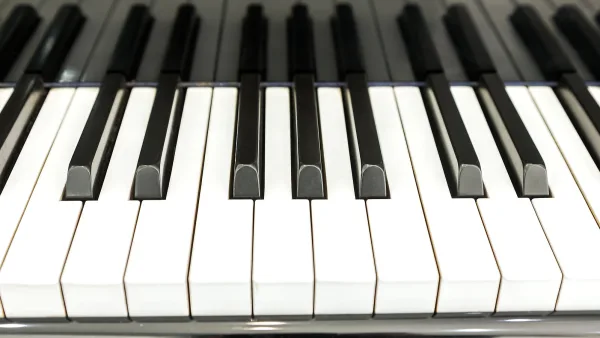
If you just want to understand how one feels under the hands and don't need concert-grade precision, a decent digital piano or synth workstation with a well-programmed patch, paired with genuine study of real repertoire and recordings, is honestly the sensible starting point. Save the acoustic celesta conversation for later, once you actually know whether this is a long-term interest or a passing curiosity.
Plenty of people who eventually buy or hire a full acoustic celesta started out exactly this way — a decent patch, some genuine curiosity, and no pressure to commit before they knew it was worth it.
| You are… | Best value option |
|---|---|
| An orchestra or conservatoire | A traditional acoustic instrument from a specialist maker |
| Needing one occasionally | Rental from a specialist supplier |
| A producer or composer | A well-sampled digital library |
| A curious student or hobbyist | A quality keyboard patch plus real repertoire study |
What "Best for the Money" Doesn't Mean Here
It doesn't mean chasing the cheapest acoustic option available, because build and regulation quality matter enormously on an instrument this specialised, and a poorly made or badly regulated one is a genuinely bad investment at any price, however tempting the headline figure looks on paper. It also doesn't mean assuming digital is always "good enough" — a lazy celesta patch is worse value than no celesta sound at all if it ends up sounding obviously fake in a finished recording.
Want the technical detail behind all four tiers before you decide? Our full explainer covers how the instrument actually works. Working through the acoustic-versus-digital decision properly? Our complete buyer's guide goes deeper on specs and costs, and if you're just starting to learn, our beginner's guide is the friendlier place to begin.
The Bottom Line
The best value option here isn't a specific model, it's an honest match between what you're actually doing and which of the four tiers above fits it. Get that match right and you'll never feel like you overspent or underdelivered.




Comments